- Best for: Culture seekers · Spiritual curiosity · Slow travellers · First-time India visitors
- Ideal duration: 2–3 days
- Best time to visit: October to March
Why Varanasi Feels Different From Anywhere Else
Varanasi does not ease you in.
It doesn’t introduce itself gradually or explain what you are seeing.
You arrive, and everything is already happening.
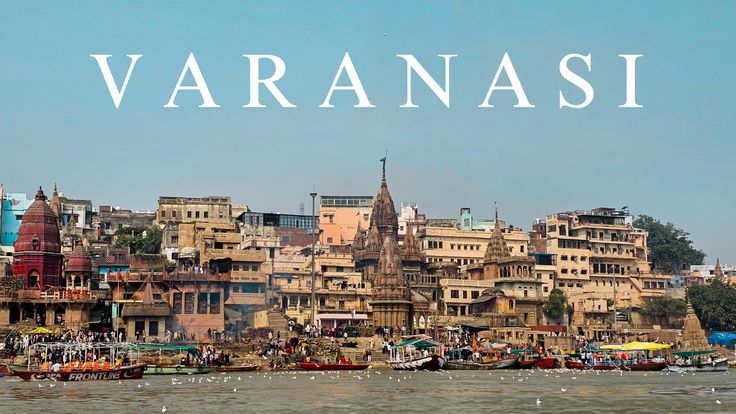
The ghats are active.
The river is moving.
The streets are full.
Rituals are ongoing — not scheduled for visitors, but continuing as they always have.
And for most travellers, the first reaction is the same:
It feels overwhelming.
But that feeling is not something to avoid.
👉 It is part of the experience
Because Varanasi is not designed to be observed from a distance.
It pulls you into it.
Understanding Varanasi Before You Visit
Varanasi is one of the oldest continuously inhabited cities in the world.
But that fact, on its own, doesn’t explain the experience.
What defines Varanasi is continuity.
Life and death exist side by side.
Daily routines and rituals overlap.
Nothing is separated or hidden.
And that creates a city that doesn’t behave like a “destination.”
👉 It behaves like a living system
When to Visit (And What It Actually Feels Like)
From October to March, the weather is more manageable.
Walking through the ghats and narrow lanes becomes easier, and spending time outdoors is more comfortable.
Winter mornings can be foggy, softening the entire riverfront.
Summers are intense — heat rises quickly, and movement becomes more difficult.
But regardless of season, the city does not change its rhythm.
👉 Only your ability to move through it changes
The Ganga — Centre of Everything, Without Needing Explanation
The river is not a sight.
It is a presence.
You don’t “visit” it once.
You keep returning.
Morning, when the city is quieter.
Afternoon, when activity builds.
Evening, when rituals take over.
Each time, it feels slightly different.
And slowly, you stop trying to define what it means.
The Ghats — Movement Without Structure
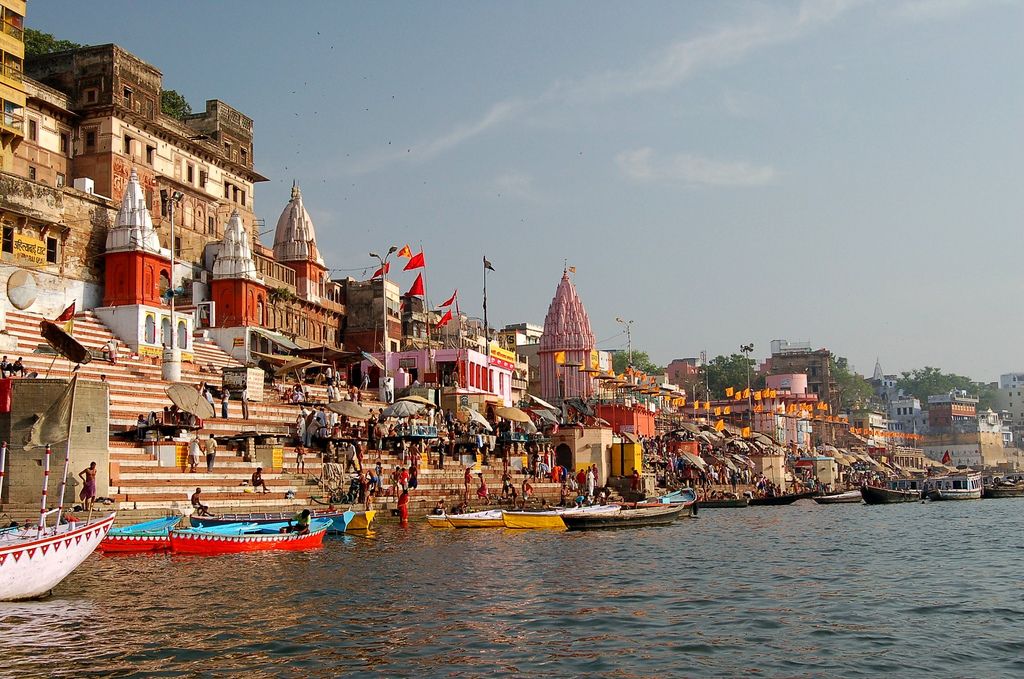
Walking along the ghats is not a linear experience.
You don’t start at one end and finish at the other.
You move, stop, observe, and continue.
At one ghat, people are bathing.
At another, prayers are being performed.
Further ahead, cremation rituals continue without interruption.
Nothing is hidden.
Nothing is presented as a “show.”
👉 And that is what makes it real
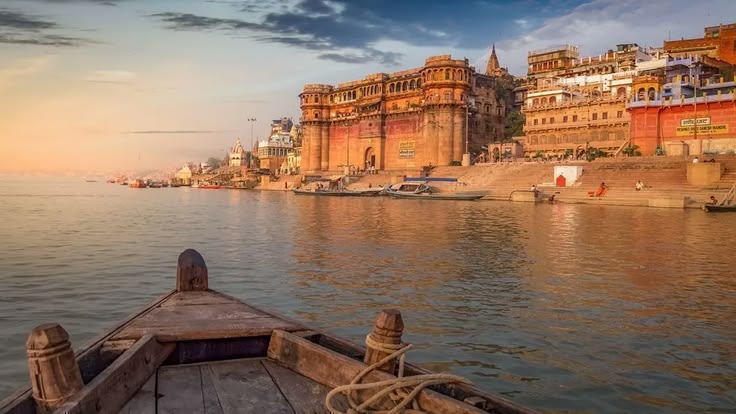
The Evening Aarti — Structured, Yet Part of the Whole
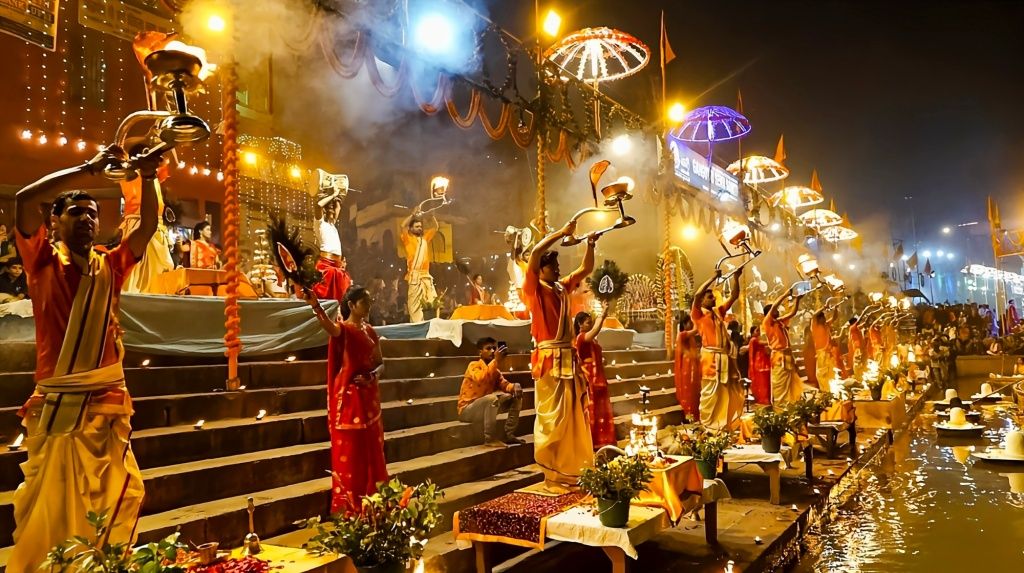
The Ganga Aarti is one of the few moments that feels organised.
Lights, chants, coordinated movement.
But even this is not separate from the city.
It is simply one part of a much larger rhythm.
You can watch it from the steps.
Or from a boat on the river.
Both feel different.
Neither defines Varanasi completely.
The Narrow Lanes — Where the City Tightens
Away from the river, the streets narrow.
Movement becomes slower.
Everything is closer.
Shops, homes, temples, food stalls — all layered into tight spaces.
You will get lost.
And that is expected.
Because these lanes are not designed for navigation.
👉 They are designed for continuity
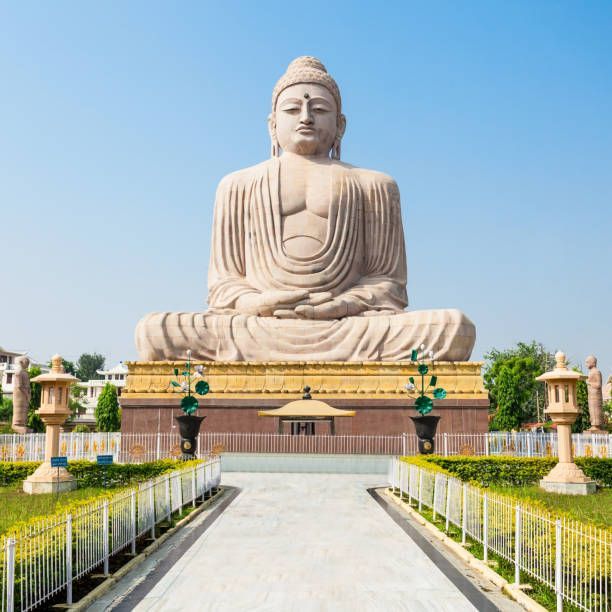
Sarnath — A Different Kind of Stillness
A short distance from Varanasi, Sarnath offers contrast.
Open spaces.
Quieter surroundings.
A slower, more reflective atmosphere.
It doesn’t replace Varanasi.
It balances it.
Moving Through Varanasi
Movement here is not always efficient.
Distances may be short, but time can stretch.
Walking works best near the ghats.
Auto-rickshaws help with longer routes.
But more than anything:
👉 You adjust your expectations
👉 instead of trying to control the flow
Where You Stay Shapes Your Experience
Staying near the ghats allows you to remain connected.
You can step out and immediately be part of the city.
Staying further away offers comfort, but less immersion.
There is no right choice.
But there is a difference in experience.
How to Plan Your Time (Without Trying to “Cover” It)
Two to three days works well.
Not to see everything.
But to begin settling into the rhythm.
A simple approach:
- time by the river
- time in the lanes
- one structured experience (like the aarti)
- and space in between
Because Varanasi cannot be completed.
👉 It can only be experienced, gradually
Final Thought
Varanasi does not simplify itself.
It does not guide you toward a single meaning.
It presents everything — openly, continuously, without pause.
And your experience depends on how you engage with it.
If you try to understand everything, it may feel overwhelming.
If you allow it to unfold, it becomes something else entirely.
Not a place you fully explain.
But a place you remember, in parts.