- Best for: Cultural travellers · Spiritual curiosity · Pilgrimage journeys · First-time visitors to North India circuits
- Ideal duration: 1–2 days
- Best time to visit: October to March
Why Ayodhya Feels Different Right Now
Ayodhya is not a place you arrive at neutrally.
Even before reaching, you carry some awareness —
from history, from conversations, from recent developments.
And once you are there, you notice something immediately.
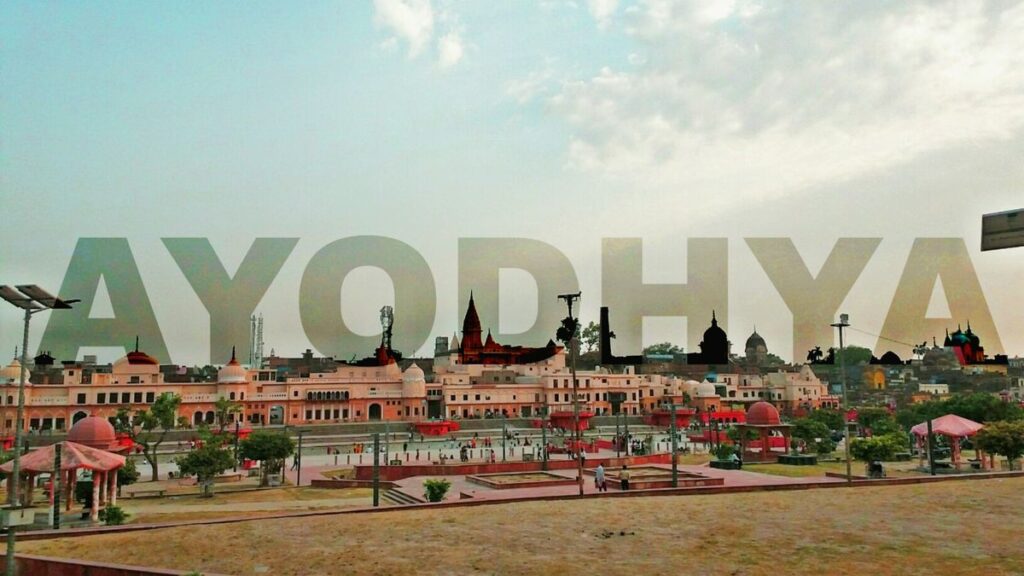
The city is in transition.
Parts of it feel newly built.
Parts of it still carry an older, quieter rhythm.
Pilgrims move with purpose.
Visitors move with curiosity.
And somewhere in between, Ayodhya is finding its current identity.
👉 This is not a finished destination
👉 It is a place in the process of becoming.
Understanding Ayodhya Before You Visit
Ayodhya is traditionally known as the birthplace of Lord Rama, making it one of the most significant cities in Hindu belief.
But beyond that, it has always been a lived city — with ghats, temples, small streets, and everyday life continuing alongside religious importance.
What makes Ayodhya different today is not just its past.
It is the way its past is being re-shaped into the present.
👉 And that makes the experience layered.
When to Visit (And What It Actually Feels Like)
From October to March, the weather is more manageable.
Walking through temple areas and ghats becomes easier, and the overall experience feels more comfortable.
Festive periods bring a completely different energy.
The city becomes more active, more crowded, and more intense.
👉 Both versions exist
👉 A quieter visit allows observation
👉 A festive visit shows scale.
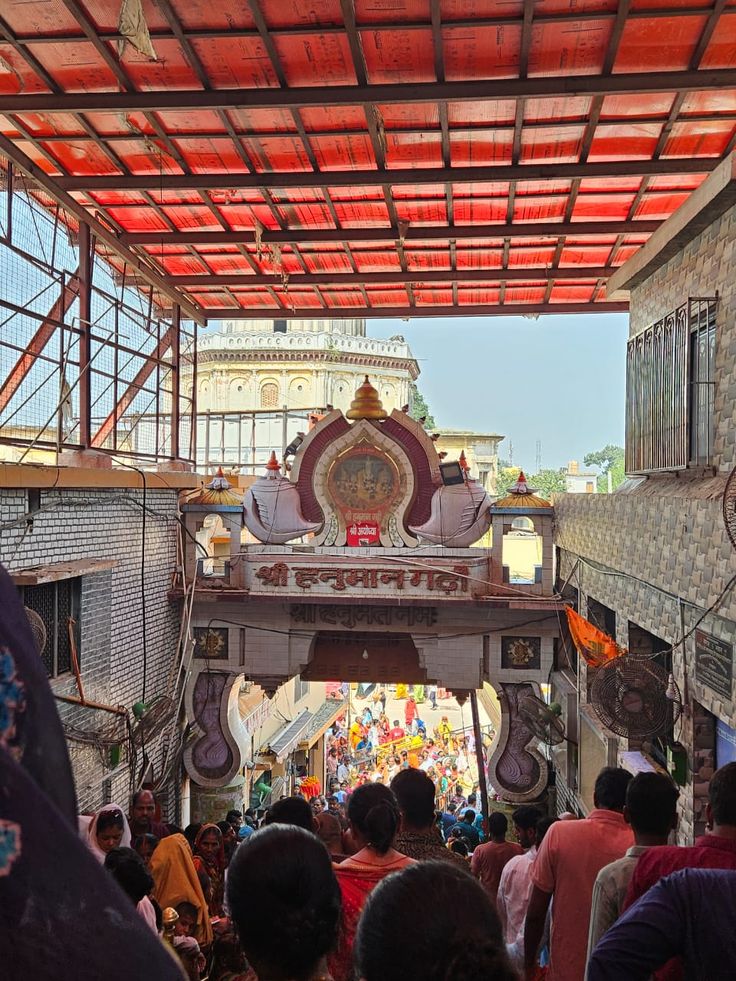
The Temple Experience — More Than Just Entry
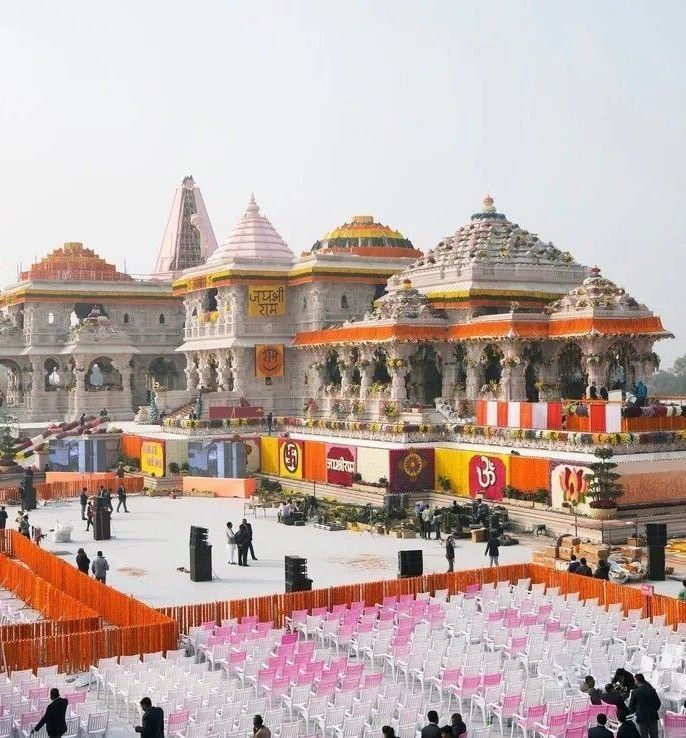
The main temple area is often the central focus for most visitors.
But the experience is not limited to darshan.
It includes:
- movement through the area
- waiting
- observing how people interact with the space
This is not a place where everything is fast or controlled.
And approaching it with patience changes the experience significantly.
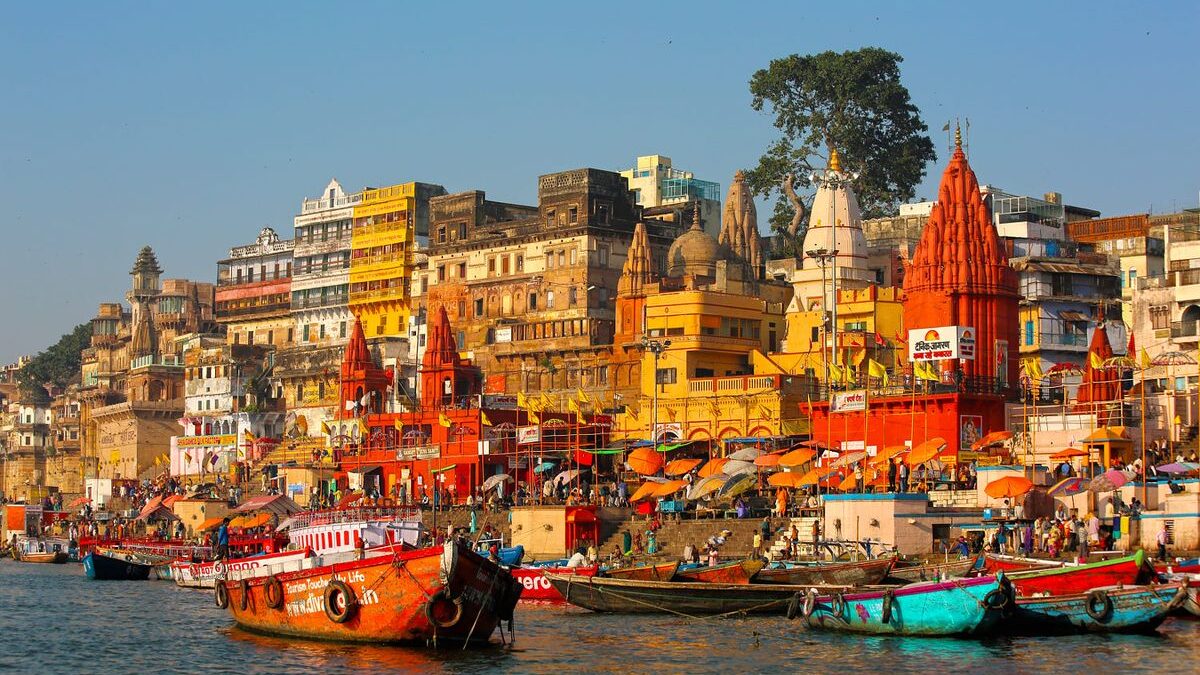
The Ghats — Where the City Slows Down
Along the Sarayu River, Ayodhya feels different.
The pace reduces.
The space opens slightly.
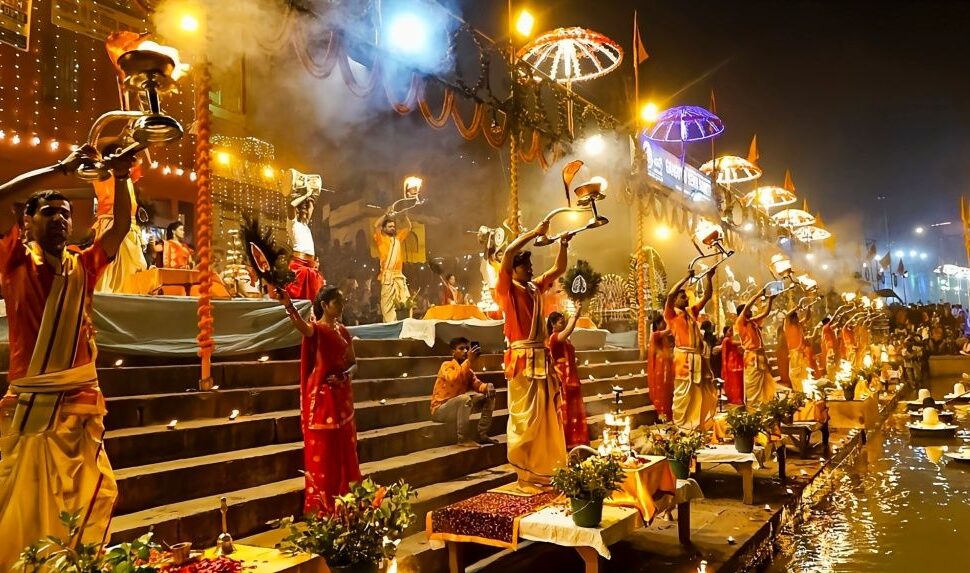
People sit, walk, pray, or simply spend time.
Compared to the temple areas, this part of the city allows more quiet observation.
👉 It adds balance to the visit
Moving Through Ayodhya
Movement here can feel uneven.
Some areas are structured and newly developed.
Others remain narrow, older, and less organised.
Traffic, walking routes, and access points are still evolving.
👉 This is part of the city’s current phase
👉 Not something separate from it.
What Most Travellers Miss
Many visitors focus only on completing darshan and leaving.
And while that may be the primary intention for some,
it often means missing the broader experience.
Ayodhya is not just about a single point.
It is about:
- how the city is changing
- how people are engaging with it
- how old and new exist together
👉 Spending even a few extra hours observing changes the visit
Where You Stay (Keep It Practical)
Ayodhya is still developing in terms of accommodation.
Options are increasing, but consistency varies.
Staying close to the main areas helps reduce movement challenges.
Comfort matters — but convenience matters more here.
How to Plan Your Time (Without Overcomplicating It)
One to two days is enough.
But expectations should remain simple.
A realistic approach:
- one main temple visit
- time near the ghats
- unplanned movement through the city
Because Ayodhya is not about covering multiple sites.
👉 It is about understanding a place in transition
Final Thought
Ayodhya is not a typical travel destination.
It does not offer a fixed experience.
It is changing, expanding, and redefining itself — in real time.
And that is what you witness when you visit.
If you approach it only as a checklist, the experience may feel limited.
If you allow space for observation, it begins to feel more complete.
Not because everything is finished.
But because you are seeing it as it is — in motion.