The Town That Feels Familiar Before You Arrive
There is something unusual about arriving in Mussoorie for the first time. It doesn’t feel entirely new.
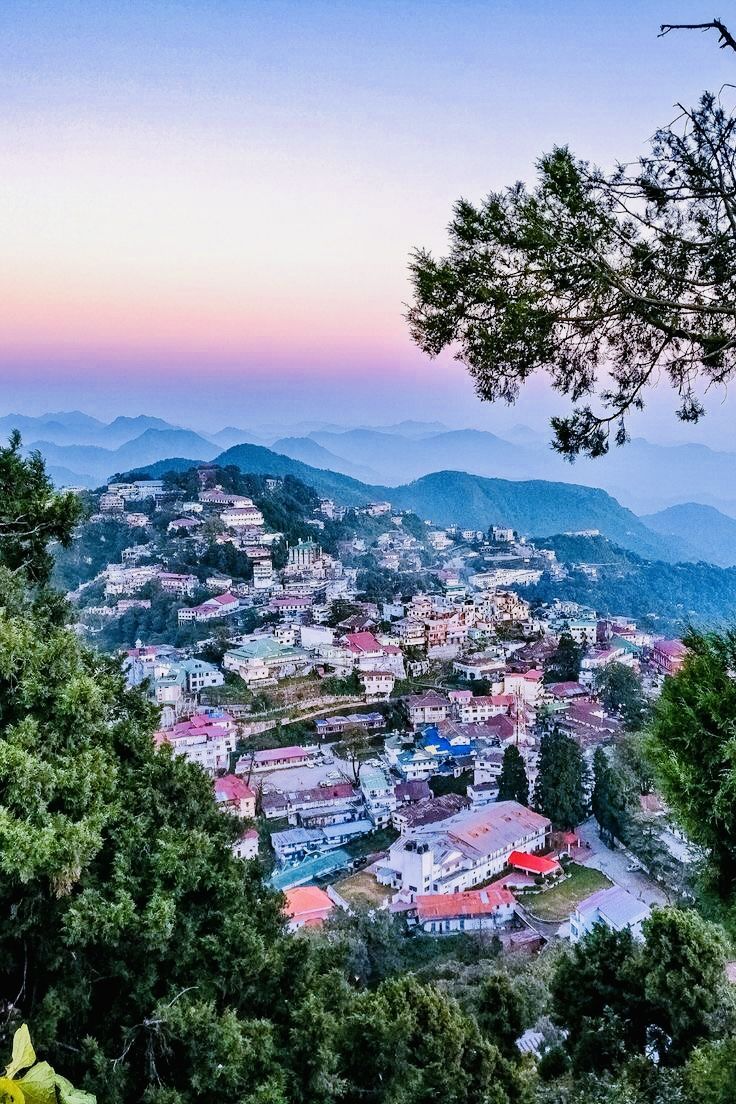
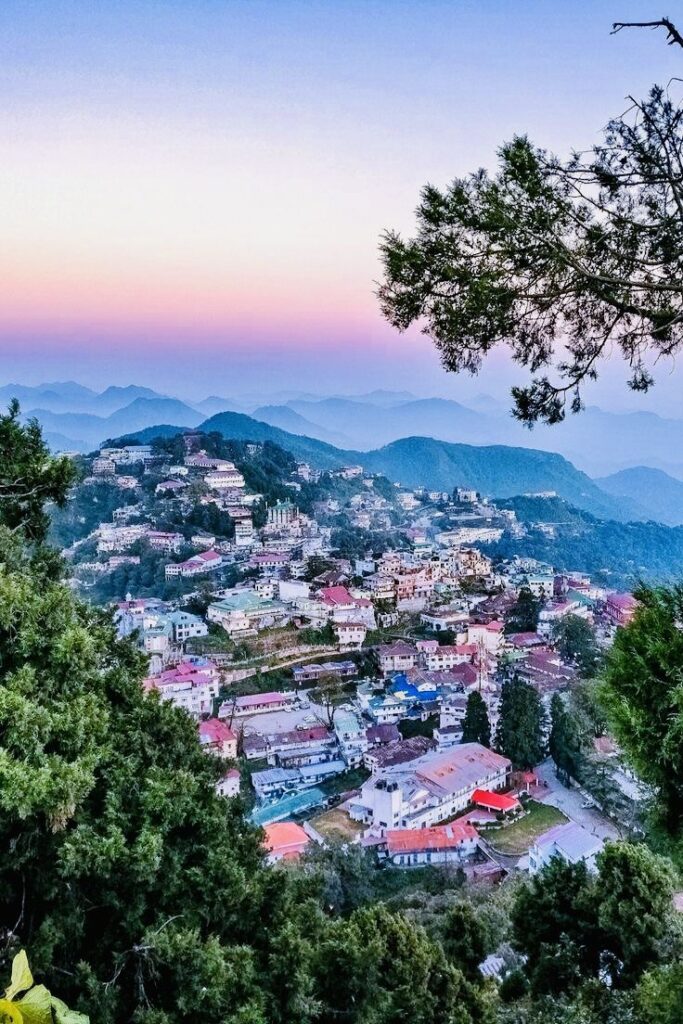
The winding road up from Dehradun, the temperature dropping as you climb, the first glimpse of a town spread along a ridge with hills folding into the distance — all of it lands with a quality of recognition, even if you have never been here before. Mussoorie grew as a colonial retreat, designed specifically to feel like a place you could settle into rather than a place you had to decipher. That intention persists. The town is legible from the first hour in a way that some Indian destinations are not.
This is both its strength and, if you are not careful, its limitation. Mussoorie is easy to move through without really being in it. The familiarity can become a kind of passive experience — pleasant, comfortable, and not particularly memorable. The difference between a good Mussoorie trip and a forgettable one comes down to a few deliberate decisions, none of which are complicated.
Understanding What You Are Walking Into
Mussoorie is genuinely popular, and there is no honest version of a travel guide to this town that pretends otherwise. It receives a significant volume of visitors — primarily from Delhi, Dehradun, and other north Indian cities — and in peak season, that presence is felt along every stretch of Mall Road. This is not a reason to avoid the town. It is a reason to approach it with a clear understanding of what you are arriving into, so that the crowd becomes something you can navigate rather than something that defines the entire experience.
The old character of the place is still here. The ridge-top promenade, the colonial-era buildings, the way the town looks out over the Doon Valley below — none of this has disappeared. It is simply layered under the activity of a very busy tourist destination. Your job as a traveller is to find the balance between the two, which is more straightforward than it sounds if the plan accounts for it from the beginning.
When to Go — and What Each Season Actually Gives You
Like Nainital, Mussoorie changes more with crowd density than with weather. That is the more useful framework for deciding when to visit.
March through June is the primary season. The weather is the draw — cool days, pleasant evenings, clear views of the hills on good days. This is when families from the plains arrive in numbers, when Mall Road is at its most active, and when the town feels fully alive. If you want Mussoorie at its most energetic, this is the window. Come prepared for the company.
September through November is the version we more often recommend for international travellers. The monsoon has passed, the air is noticeably cleaner, and the visibility — both over the Doon Valley and toward the higher Himalayan ranges on clear days — is significantly better than in the hazy summer months. The crowd has thinned. The pace is more measured. The town shows you a calmer version of itself.
Winter brings quiet, occasional mist, and sometimes snow — which transforms the experience entirely for the few days it lasts. But reduced activity and limited visibility in the misty periods mean that winter Mussoorie requires accepting that the views may not cooperate. Some travellers find this atmospheric. Others find it frustrating. Know which kind of traveller you are before planning around it.
Mall Road: The Mistake Is Avoiding It, Not Being On It
Most advice about Mussoorie eventually gets around to warning you that Mall Road is crowded. This is accurate. The follow-on advice — to avoid it, to stay away from the main promenade, to seek out only the quieter corners — misses the point.
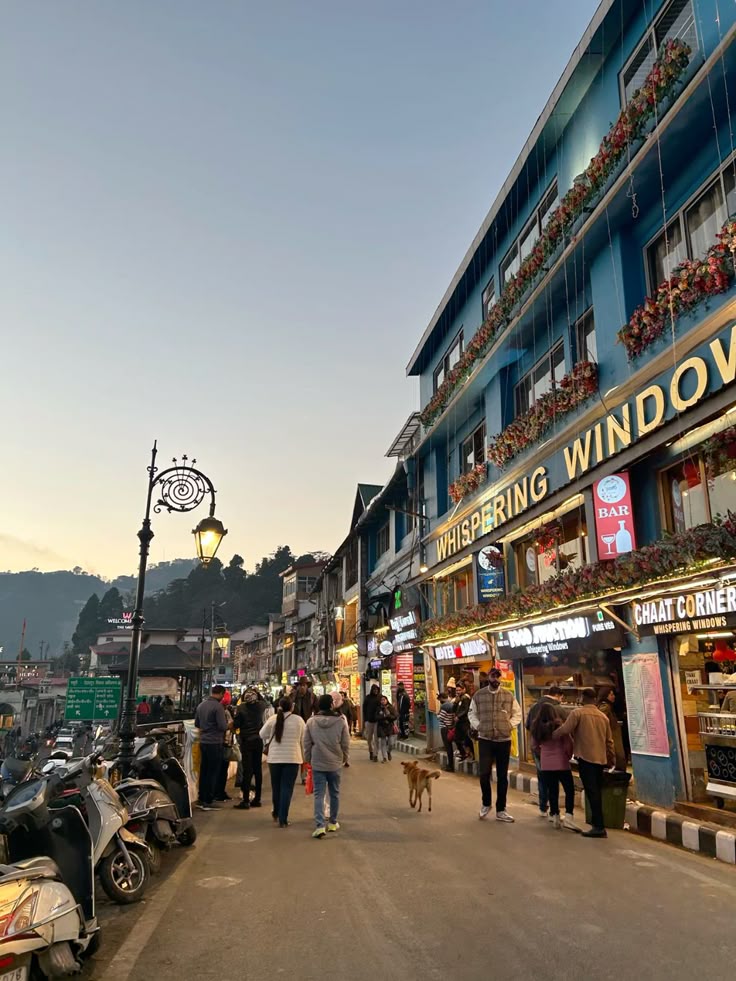
Mall Road is the spine of Mussoorie. It is where the town moves, pauses, watches itself. Walking it is not a tourist activity to be endured — it is how you understand the rhythm of the place. The market stalls, the cafés that have been operating for decades, the points where the ridge opens up and the valley becomes visible below — all of this is on or immediately off Mall Road.
The variable worth managing is not whether you walk it but when. Early morning, before the day’s visitors have arrived and before the shops have fully opened, Mall Road is a different place. The light is better. The pace is slower. You can walk the full length of it with space to think rather than space to navigate. That version of Mall Road is genuinely worth experiencing, and it requires nothing more than an early start.
The evening version is worth experiencing too — when the valley lights up below the ridge and the town softens as the day closes. Two walks on Mall Road at different hours will show you more about Mussoorie than a day spent deliberately avoiding it.
The Views: Present Throughout, Not Concentrated in One Place
Mussoorie does not have a single signature viewpoint in the way some hill destinations do. The views here appear in pieces — between buildings, at the edge of a lane, from a corner you stopped at without planning to.
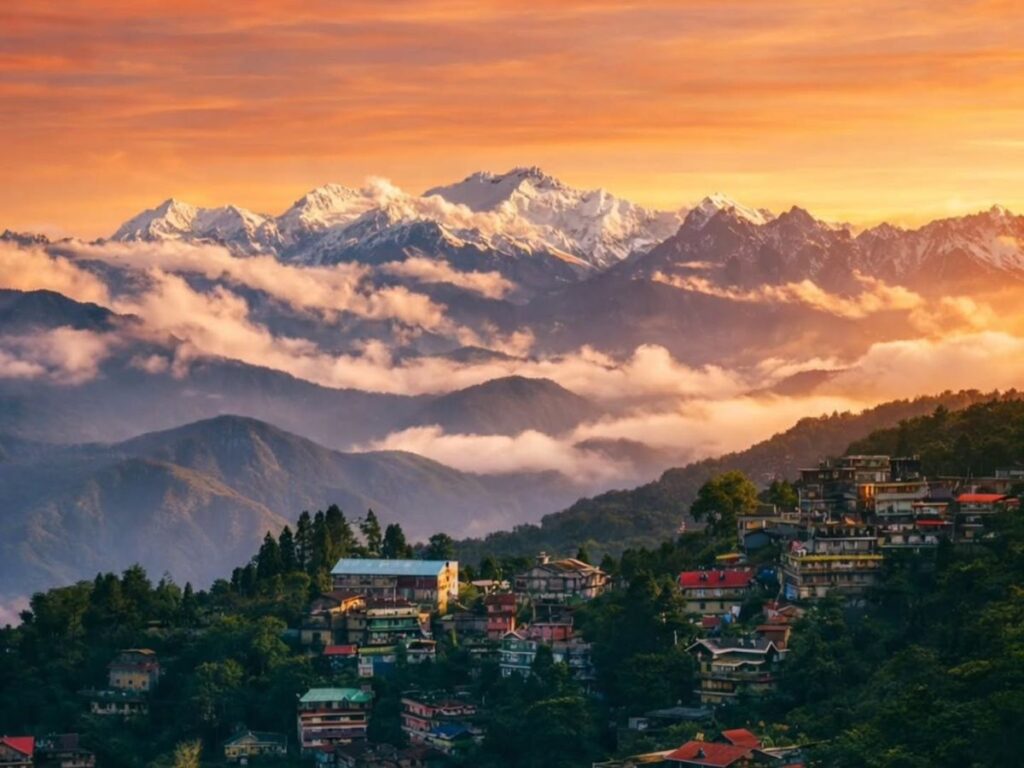
This is characteristic of the town’s geography. Built along a ridge rather than around a valley, Mussoorie gives you glimpses rather than panoramas as its default mode. On clear days — most reliably in the post-monsoon months — the Doon Valley spreads below in full, and on particularly clear mornings, the higher Himalayan peaks are visible from elevated points around the town. These moments are worth seeking but cannot be guaranteed.
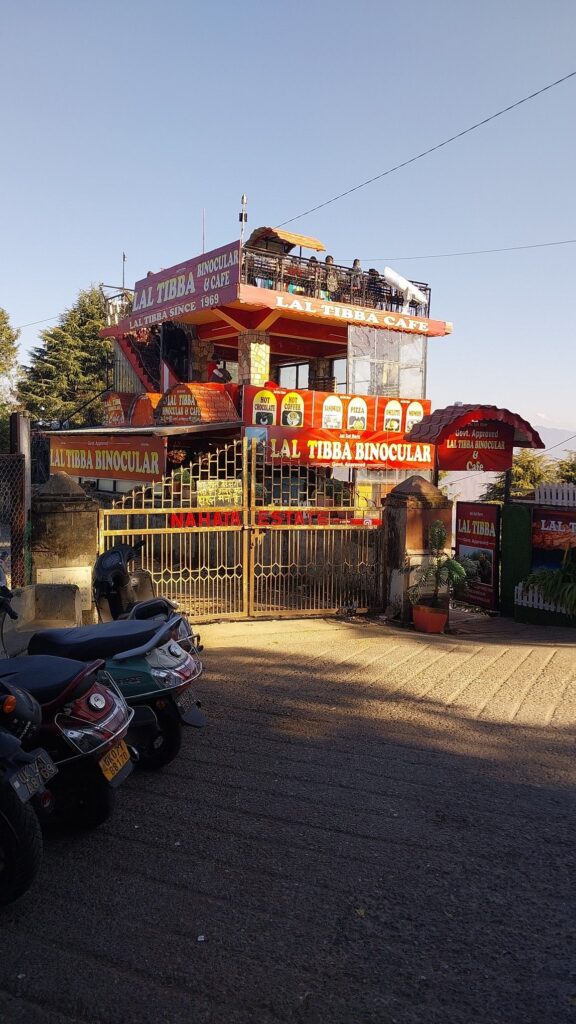
Lal Tibba, at the highest point of the Landour area, is the most reliable viewpoint for longer Himalayan views. It requires a short drive or a longer walk from the main Mall Road area. The Landour area itself — slightly separate from the main town, quieter, with an older feel — is worth the detour for reasons beyond the view. It gives you a version of Mussoorie that feels closer to what the hill station was before it became what it is today.
Landour: Where Mussoorie Becomes Something Else
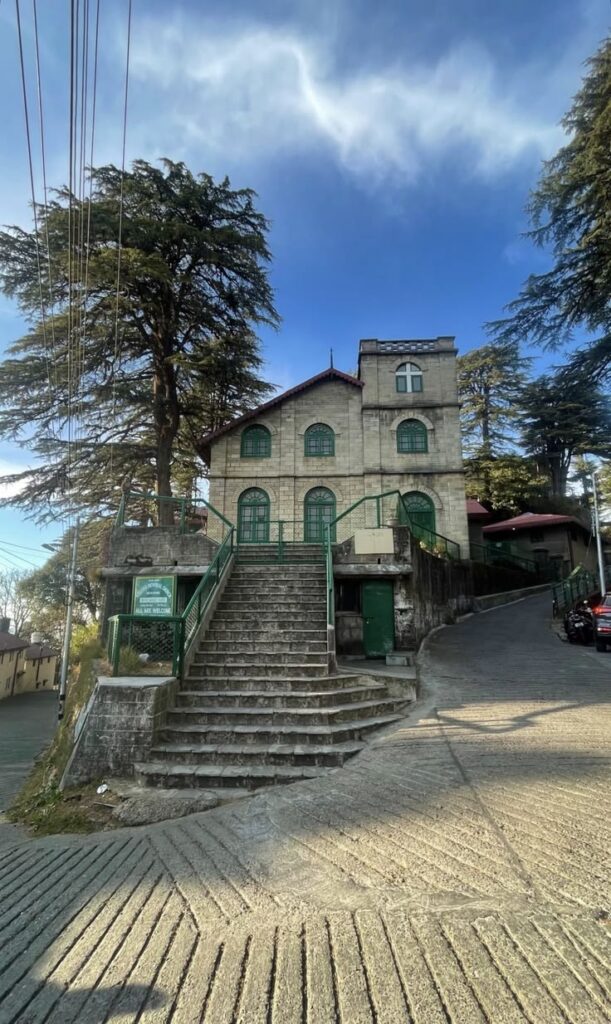
A short distance from the main activity of Mall Road, Landour sits slightly higher and operates at a different pace entirely. The streets are narrower. The crowd is thinner. Old buildings stand alongside small bakeries and quiet lanes that see a fraction of the foot traffic of the town below. The atmosphere here is the one that most travellers who have been coming to Mussoorie for years say they come back for — not the bustle of the ridge, but this quieter, slightly removed version of it.
Landour is not a full day’s destination. It is a two to three hour detour that reframes everything else about the trip. Walk through it without a fixed agenda. Have tea somewhere that doesn’t have a signboard designed to attract tourists. Look at the town from a point slightly above it. Then come back down to Mall Road with a better understanding of what Mussoorie actually is beneath its busiest surface.
How Many Days and How to Use Them
Two nights is enough for Mussoorie. Three nights gives you the pace to experience both the active and the quieter versions of the town without feeling like you are rushing between them.
The structure that works: one day that accepts the crowd — Mall Road in the evening, the market, the active parts of the ridge. One morning that starts early enough to have Mall Road largely to yourself, followed by time in Landour in the afternoon. And at least one point in the trip where there is nothing scheduled — a café with a view, a bench on the promenade, an hour that belongs to the place rather than the itinerary.
The version of Mussoorie that disappoints is the one that tries to see everything — Kempty Falls, multiple viewpoints, full days of moving between sights — and ends up spending most of the trip in traffic or in crowds at the most-visited spots. Kempty Falls is worth knowing about: it is the most visited attraction outside the main town, and in peak season the experience there is largely one of managing a large number of other visitors rather than experiencing a waterfall. If you go, go early and with adjusted expectations.
The best Mussoorie trips are usually the ones that stayed closer to the town itself and went deeper into it rather than wider around it.
Where You Stay — The Decision That Shapes Everything Else
In a town built along a single ridge, the difference in location between one hotel and another can seem small on a map and feel significant in practice.
Staying close to Mall Road means convenience — the promenade, the market, the activity of the town are immediately accessible. It also means noise, particularly in peak season when the evenings are busy. For families with children and first-time visitors who want to be in the middle of the experience, this usually makes sense.
Staying slightly away — toward the quieter stretches of the ridge or up in the Landour area — means more quiet, better views from the property itself, and a different quality of morning. You trade immediacy for atmosphere. For couples and travellers who want rest alongside the experience, this is generally the better choice.
The honest advice: decide what matters more to you — access or atmosphere — before you search. In Mussoorie, that single decision shapes more of the trip than almost any other.
A Few Practical Notes
- Getting there: Mussoorie is approximately 35 kilometres from Dehradun, which is well-connected to Delhi by train — the journey takes roughly five to six hours and the trains are frequent and reliable. From Dehradun station, Mussoorie is a 45-minute to one-hour drive up a winding hill road. It is also reachable from Delhi by road in approximately six to seven hours, depending on traffic leaving the city.
- Traffic in peak season: The road into Mussoorie and the town itself can become significantly congested on weekends and public holidays between April and June. If your visit falls in peak season, arriving on a weekday and leaving before the weekend rush is worth planning around.
- Weather and layers: Even in the summer months, evenings in Mussoorie cool down noticeably after sunset. A light jacket is worth carrying regardless of what the daytime temperature suggests when you pack.
Freedom Trail India plans private and customized journeys across Uttarakhand and the rest of India. If you are thinking about a Mussoorie visit or a broader Uttarakhand circuit — we are glad to help you work out what would actually suit you.