- Best for: First-time India travellers · Culture seekers · Short stop travellers · Golden Triangle routes
- Ideal duration: 1–2 days
- Best time to visit: October to March
Why Agra Often Feels Underwhelming (And How to Avoid That)
Almost everyone arrives in Agra with a clear image in mind.
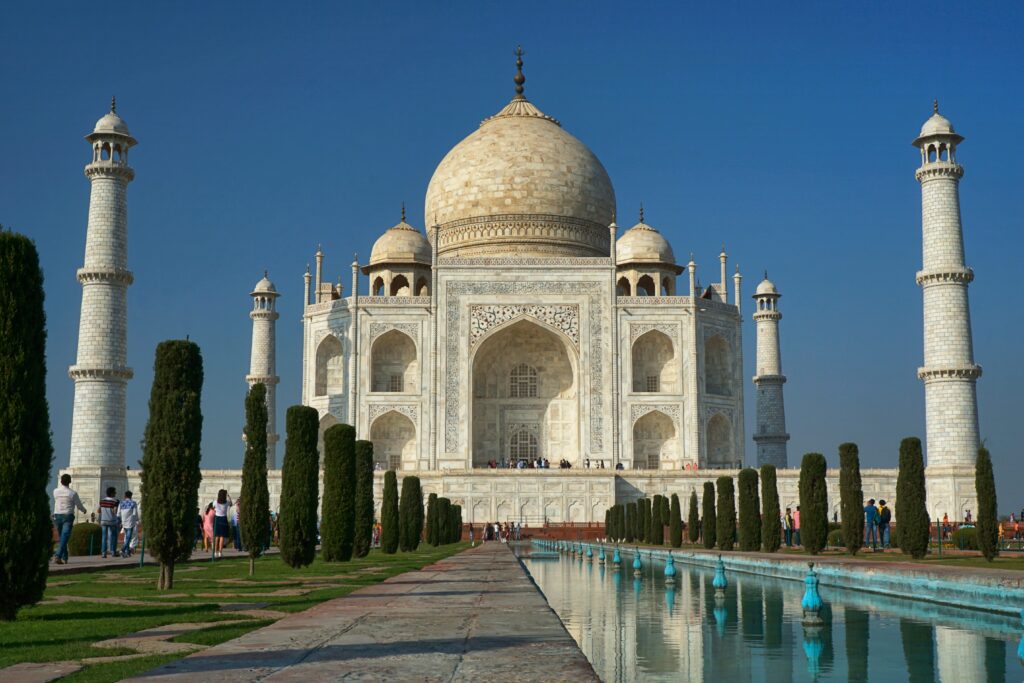
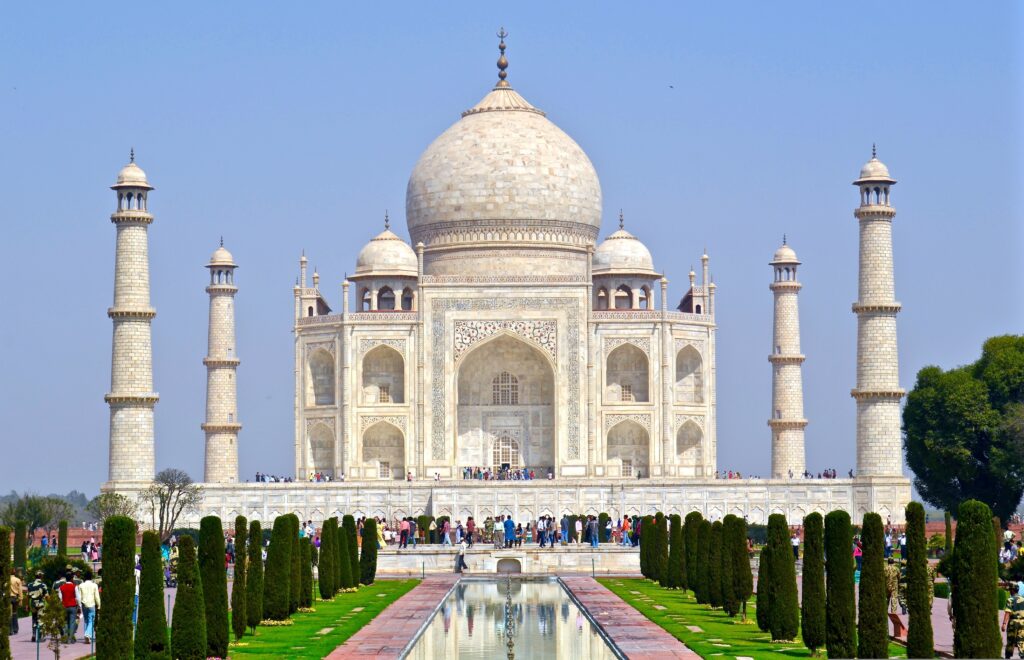
The Taj Mahal at sunrise.
White marble. Symmetry. Reflection.
And then, for many travellers, something feels slightly off.
Not because the Taj Mahal disappoints.
But because the experience around it feels rushed.
Arrive → take photos → leave.
And just like that, something that took decades to build becomes a 2-hour stop.
Agra is not the problem.
👉 The way it is usually done is.
Understanding Agra Before You Visit
Agra was once the heart of the Mughal Empire.
It wasn’t built around a single monument.
It was a functioning capital — with forts, gardens, markets, and structures that connected to each other.
The Taj Mahal is the most refined expression of that era.
But it is not the only one.
When you see Agra only through the Taj,
you miss the context that makes it meaningful.
When to Visit (And What It Actually Feels Like)
From October to March, Agra feels most accessible.
The air is cooler, mornings are softer, and walking around monuments becomes easier.
Summer shifts the experience — heat rises quickly, and outdoor movement becomes limited.
Winter mornings can be foggy, especially around sunrise.
And that changes the Taj experience completely.
👉 Sometimes you see everything clearly
👉 Sometimes it reveals itself slowly
Both are part of the experience.
The Taj Mahal — Why Timing Changes Everything
The Taj Mahal is not just about what you see.
It’s about when you see it.
Early morning feels quieter.
Light is softer.
The marble reflects differently.
As the day progresses, crowds increase, and the experience becomes more active.
But even then, something interesting happens.
If you step slightly away from the main axis,
if you stop trying to frame the perfect photo,
you begin to notice smaller things:
- inlay work
- symmetry in detail
- how light shifts across the surface
👉 The Taj does not need to be “captured”
👉 It needs to be observed.
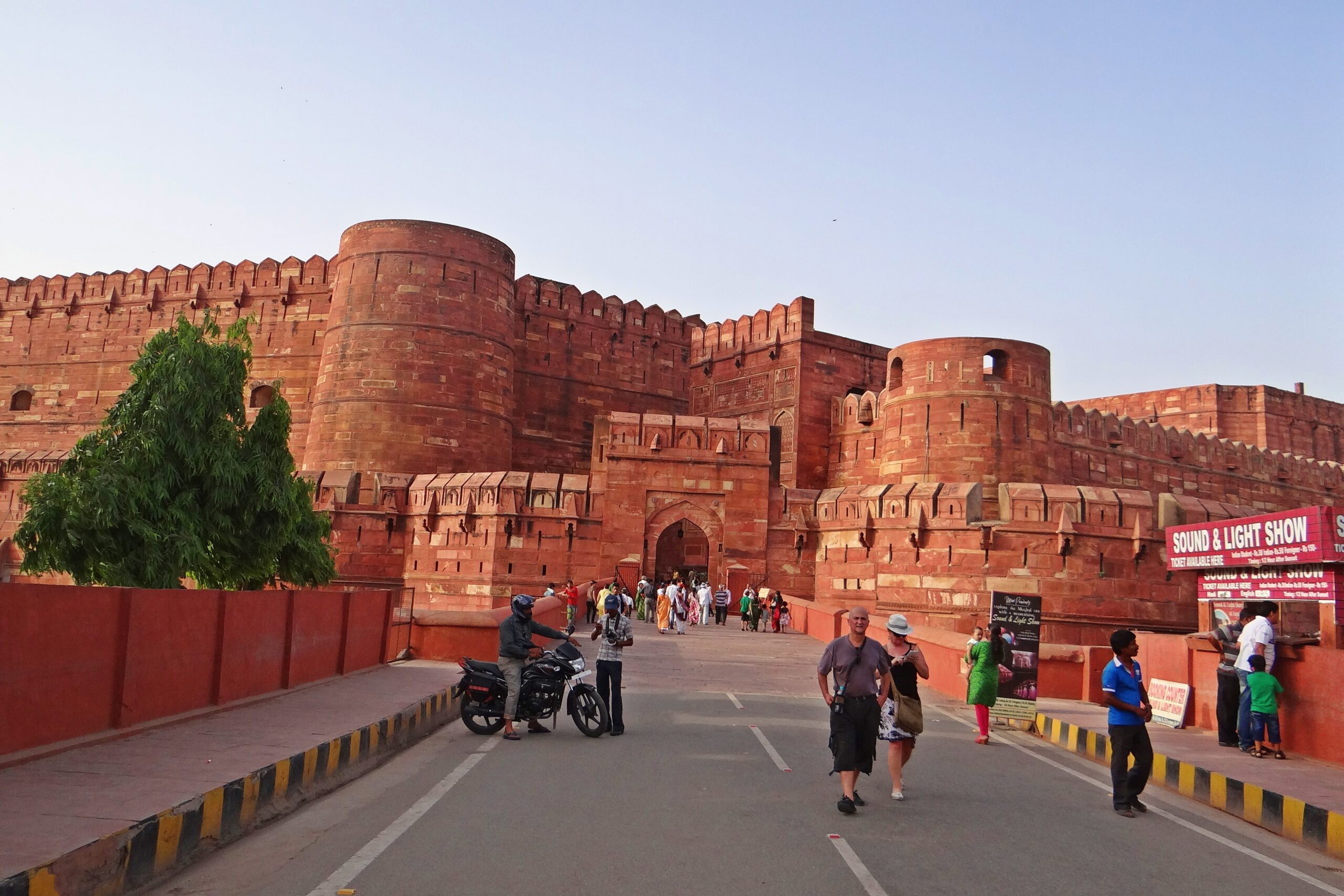
Agra Fort — The Missing Context
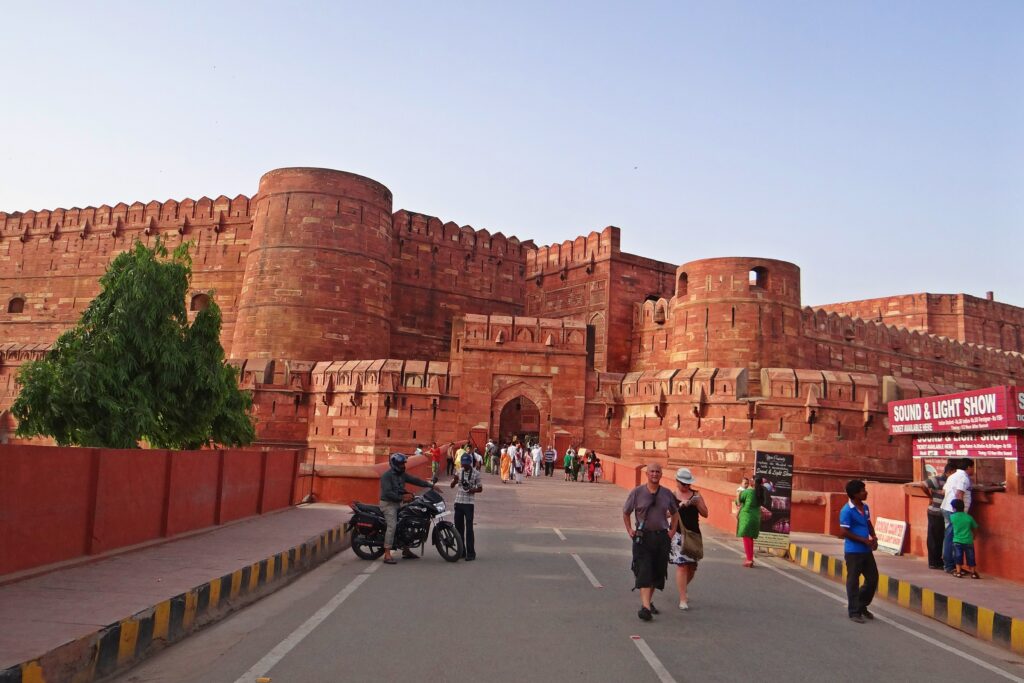
If the Taj is emotion, Agra Fort is context.
From the outside, it feels strong, almost defensive.
Inside, it opens up.
Courtyards, rooms, viewpoints — and most importantly,
a distant view of the Taj Mahal.
This is where the story connects.
Where you begin to understand:
- who built it
- why it was built
- and what it meant
👉 Without Agra Fort, the Taj feels isolated
👉 With it, the experience becomes complete.
The Spaces In Between
Agra is often treated as a two-stop city.
Taj Mahal. Agra Fort. Done.
But like most places, what sits in between matters.
A walk near Mehtab Bagh in the evening.
A quieter moment away from the main crowd.
A meal that isn’t rushed.
These are not major additions.
But they change the rhythm of the visit.
Moving Through Agra
Movement here can feel slightly chaotic at first.
Traffic, crowds, local activity — everything exists together.
But distances between major sites are short.
Once you settle into the flow, it becomes manageable.
👉 The key is not to rush between places
👉 but to space them out.
Where You Stay Matters More Than You Think
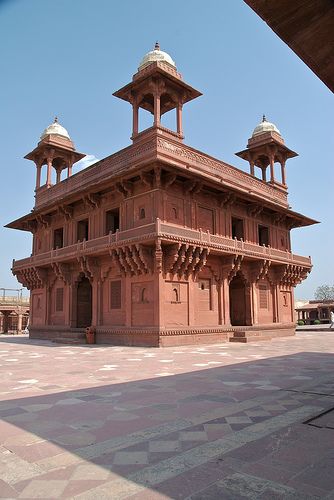
In a city like Agra, location shapes experience.
Staying close to the Taj allows:
- early access
- easier movement
- less dependency on transport
And more importantly, it allows you to experience the monument at different times — not just once.
How to Plan Your Time (Without Reducing It to a Stop)
One day can be enough.
But only if it’s used well.
A better approach:
Arrive → settle → visit Taj without rush
Explore Agra Fort with context
Leave space for one quieter moment
Or stay one night and split the experience.
Because Agra is not about quantity.
👉 It is about timing + pacing
Final Thought
The Taj Mahal does not need explanation.
It has been described, photographed, and talked about for centuries.
But the experience of it is still personal.
If you rush through it, it becomes familiar too quickly.
If you slow down, it begins to feel different — even if you’ve seen it before.
Not because the monument changes.
But because your way of experiencing it does.