The City That Hits You All at Once
Most travellers arrive in Jodhpur with it positioned as the middle stop — somewhere between Jaipur and Jaisalmer, a reasonable place to break the journey, a fort to visit and a blue city to photograph before moving on. And then something changes.
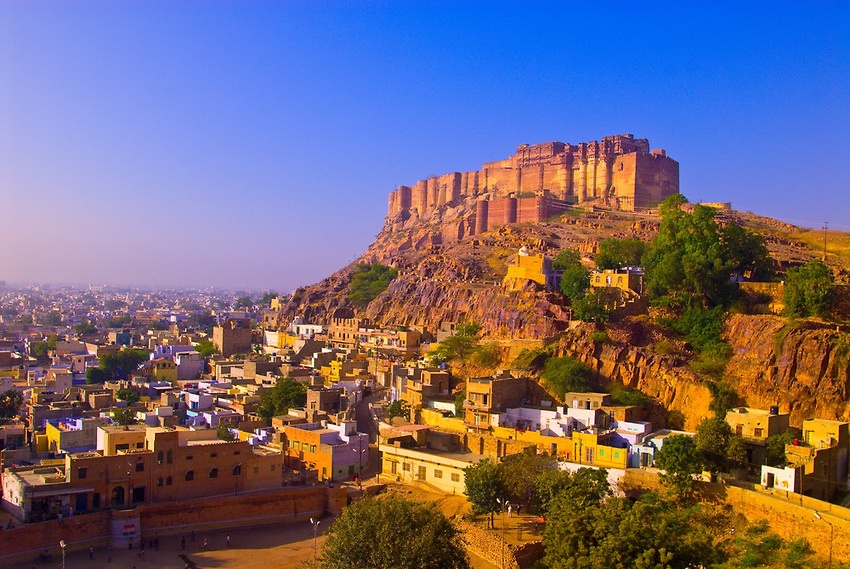
You turn into the old city and the fort is suddenly above you — not framed at a distance, not announced gradually, but simply there, massive and close and slightly overwhelming in the way that things are overwhelming when they are larger than you expected and nearer than you prepared for. You walk into the market and the air shifts — spice, heat, the sound of a city doing its actual business with no particular interest in being observed. You climb to a rooftop at evening and the city below turns blue in the fading light, a colour that photographs consistently fail to reproduce accurately because it is a quality of the whole rather than a property of any individual surface.
Somewhere in between, most people quietly revise their plans to leave sooner than they intended. Jodhpur does this consistently and without apparent effort. It doesn’t need to try.
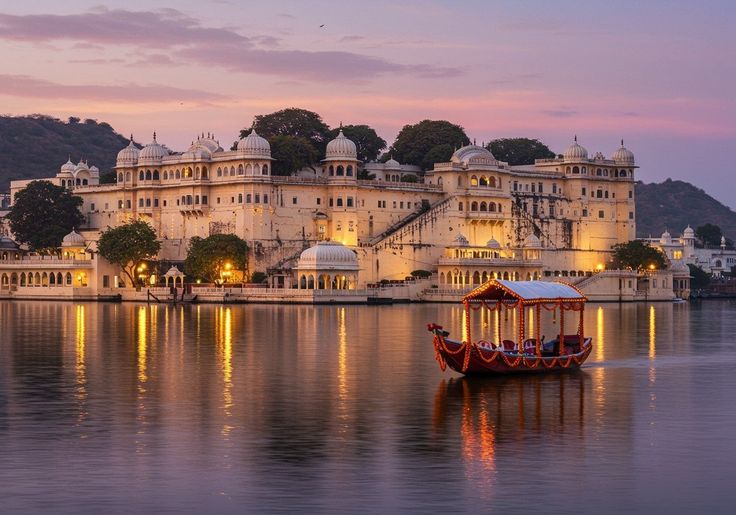
Where Udaipur is composed and reflective, Jodhpur is textured and immediate. Where Jaisalmer is golden and still, Jodhpur is raw and present. It is one of the few Rajasthan cities that feels genuinely itself rather than a curated version of itself, and that quality is either immediately compelling or slightly difficult depending on the kind of traveller you are. For those who can meet it on its own terms, it becomes the highlight of Rajasthan. For those who needed it to be something quieter, it will have been too much. This guide is for the first group.
Before You Go — When Jodhpur Works Best
The October through February window is when Jodhpur is most fully accessible, and the reasons are practical rather than conventional.
October and November give you clear air and light that is sharp and directional — the kind of light that makes the fort’s sandstone read the way it does in the best photographs of the city, and that makes the blue of the old city rooftops visible from a distance. These months avoid both the summer heat and the peak winter crowds, which makes them, in our experience, the most consistently satisfying window.
December and January are busier. The weather is genuinely comfortable — cool mornings, warm afternoons — and the city is fully alive with visitors. This is not a reason to avoid these months, but it is a reason to be deliberate about timing at the major sites. Mehrangarh Fort at nine in the morning in January is a different experience from the same fort at eleven. The difference is significant.
February and March are a good middle position — the crowds have thinned slightly from the peak and the weather is still comfortable, though by March the afternoons start carrying the first hints of the heat that will define April onwards.
From April, Jodhpur’s desert geography becomes the dominant fact of the experience. The fort is exposed and radiates heat by mid-morning. The old city lanes, which in November are a pleasure to walk, become something to be managed strategically. A summer visit requires restructuring the day entirely around the early morning and the late afternoon. This is doable — Jodhpur does not disappear in summer — but it is a genuinely different trip.
Mehrangarh Fort — Give It What It Asks For
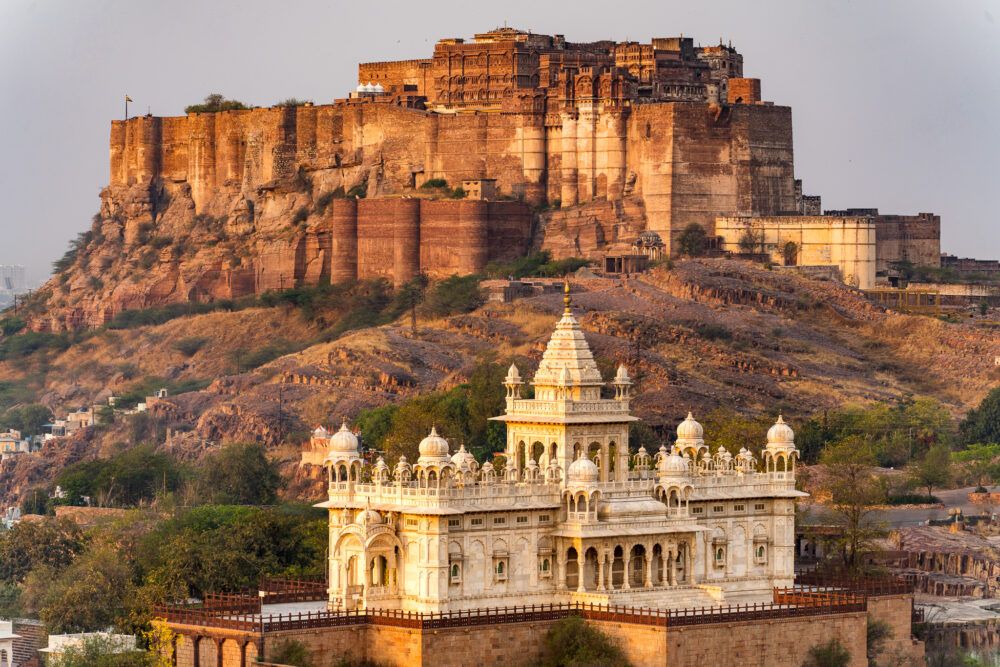
Mehrangarh is not simply Jodhpur’s best sight. For a significant number of travellers, it becomes the most impressive fort they see anywhere in India — and Rajasthan offers serious competition for that designation.
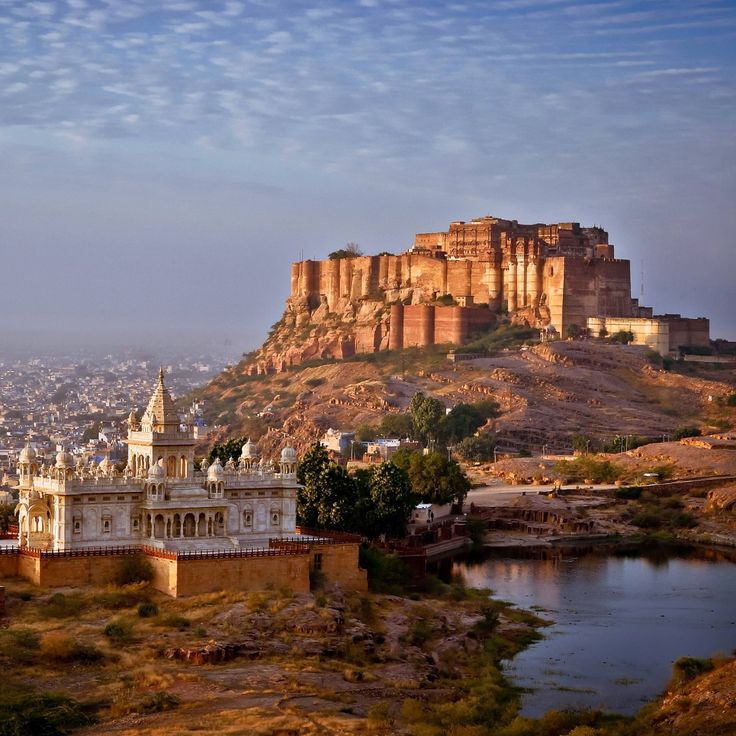
What distinguishes Mehrangarh is the combination of elements that are individually extraordinary and collectively something greater than the sum of their parts. The position, first: the fort sits on a sheer rock outcrop 125 metres above the city, and the ascent — through successive gateways, past cannon-ball marks still visible in the stone from sieges centuries old, up ramps that give you the fort in stages rather than all at once — is itself part of the experience. The scale: Mehrangarh is one of the largest forts in India, and its interior holds not a single palace but a sequence of them, each built by a different ruler at a different moment in the kingdom’s history. And the detailing: the carved stone screens, the painted palace rooms, the collection of palanquins and weaponry and royal regalia that tells the history of the Marwar kingdom in physical terms rather than written ones.
Arrive early — ideally before nine. The morning light hits the fort’s south-facing facade cleanly, and the interior courtyards have a quality at that hour that disappears when the day visits have fully arrived. Give it a minimum of three hours, and four if the interest is there. The museum inside is one of the better-organised fort museums in Rajasthan and deserves genuine attention rather than a passing walk-through.
The views from the ramparts are worth stopping at multiple times during the visit rather than once. The city spreads differently depending on where you stand — from the highest points, the blue rooftops of the old city become the foreground and the desert opens behind; from the lower sections, the detail of the lanes directly below is visible in a way that rewards looking down rather than out.
The Blue City — Walk In Without a Plan
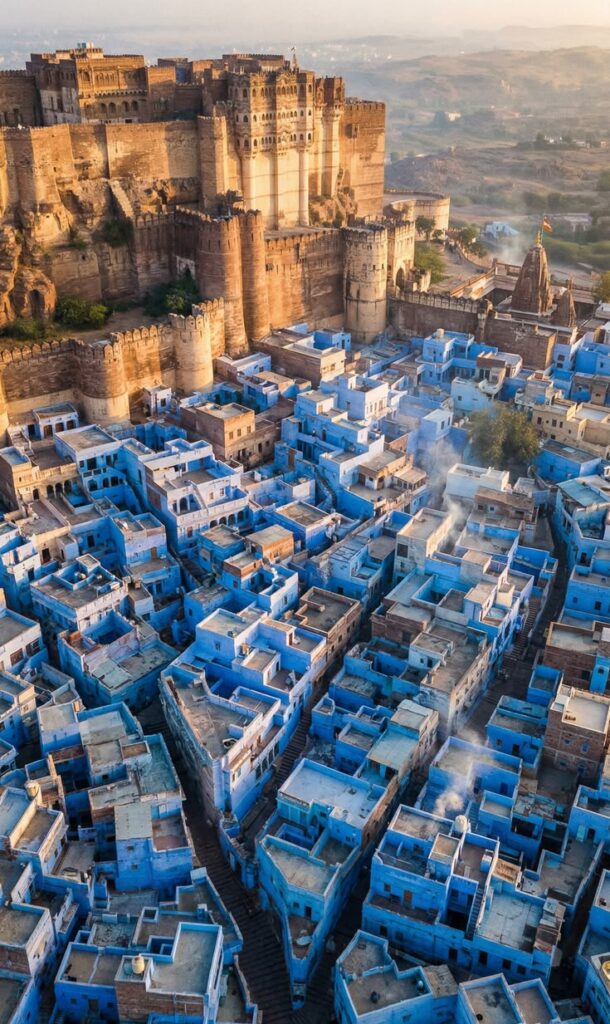
The old city of Jodhpur — the dense, blue-washed neighbourhood that spreads across the base of the fort rock — is not something you approach with an itinerary. It is something you walk into with the knowledge that you will get lost, that this is not a problem, and that the unplanned hour will produce more than the planned one.
The blue colour, for context, is not purely aesthetic in origin. The blue wash traditionally indicated Brahmin households in the Jodhpur caste system, though the practice spread across communities over time and today the blue is simply the identity of the old city, maintained out of continuity as much as religious observance. Up close, the blue varies — some freshly painted, some faded to a pale wash, some overlapping with other colours at doorways and windows. From a rooftop or from the fort ramparts above, it reads as a whole.
The best time to walk the old city is early morning, between seven and nine, before the heat builds and before the commercial activity of the day has fully started. The lanes at that hour are quiet in relative terms — residents going about morning routines, light filtering at angles that make the blue walls glow. This is the version of the blue city that people are trying to photograph and that resists photography most stubbornly, because what makes it extraordinary is not the colour alone but the quality of being inside it.
Walk without a destination. Take turns based on what looks interesting. Expect to double back. The old city is small enough that getting genuinely lost is not a navigational crisis, and large enough that each return through a lane produces something different from the first pass through it.
Clock Tower and Sardar Market — Controlled Intensity
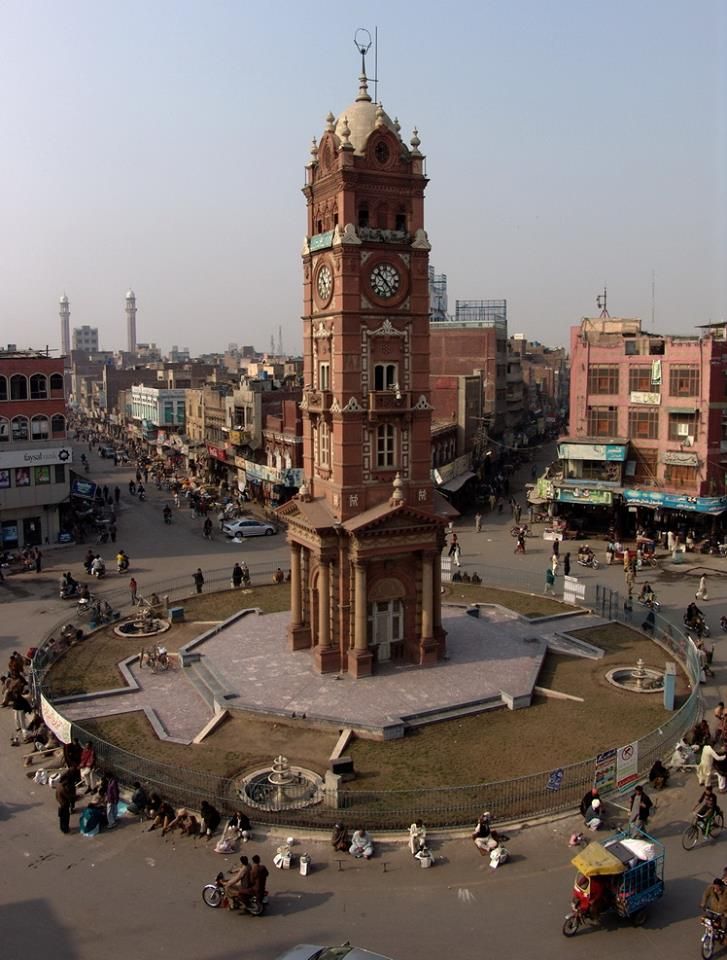
Sardar Market, centred around the Clock Tower at the edge of the old city, is where Jodhpur does its daily commercial business — and where the gap between what the city is actually like and what a tourist-facing experience of it tends to be is narrowest.
The spice shops here are working wholesale and retail operations, not heritage displays. The vegetable sellers, the fabric merchants, the jewellers working in the small workshops behind the display cases — all of this is a functioning economy that predates and will outlast the tourist interest in it. Walking through with genuine curiosity, stopping to watch rather than to buy, allowing a conversation to happen without an agenda — this is where Jodhpur begins to feel personal rather than observed.
It is also loud, dense, and occasionally aggressively commercial near the tourist-facing sections. Street vendors around the Clock Tower are persistent. Unsolicited guidance toward particular shops is common. None of this requires a defensive response — it requires a certain comfort with saying no, continuing to walk, and not letting the commercial overlay prevent you from seeing what is actually happening in the market.
Go in the morning before noon. Eat something from one of the stalls that is clearly aimed at local customers rather than visitors. Do not rush it.
Jaswant Thada — The Pause That Completes the Day
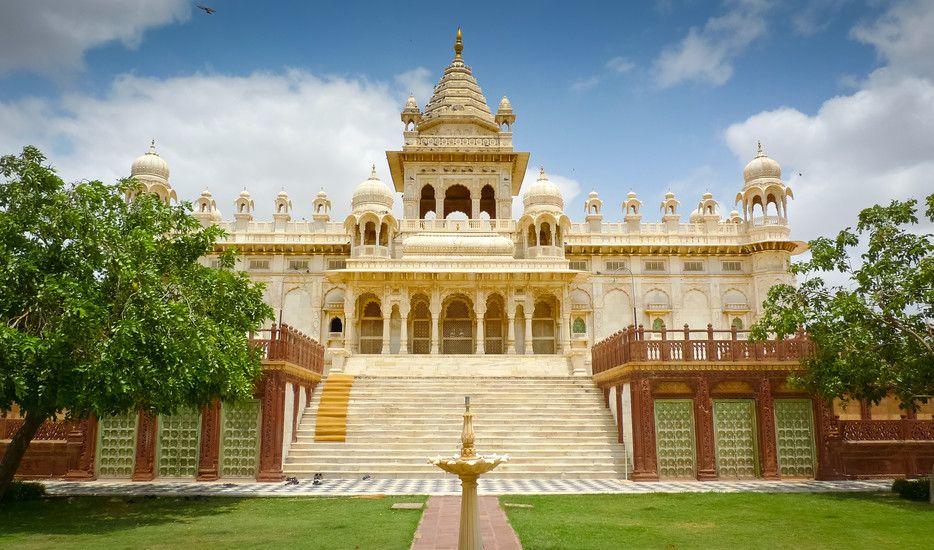
A ten-minute walk from Mehrangarh’s base, Jaswant Thada is a royal cenotaph built in white marble in 1899 as a memorial to Maharaja Jaswant Singh II. It is not a large or complex monument. It is quiet, pale, and set in a garden above the city with a reflecting pool and the fort visible on the rock above.
Its function in a Jodhpur itinerary is as contrast. After the scale and intensity of Mehrangarh and the density of the old city and market, Jaswant Thada offers something that the rest of the city does not: genuine stillness. The marble has a translucency in strong sunlight that gives it an almost luminous quality. The garden is maintained. The crowds are thin. It is a place to stop for twenty minutes and let the morning settle before deciding what comes next. Do not skip it in the interest of efficiency. It is precisely its lack of obvious purpose that makes it worth visiting.
The Bishnoi Villages — Where Jodhpur Extends Into Its Landscape
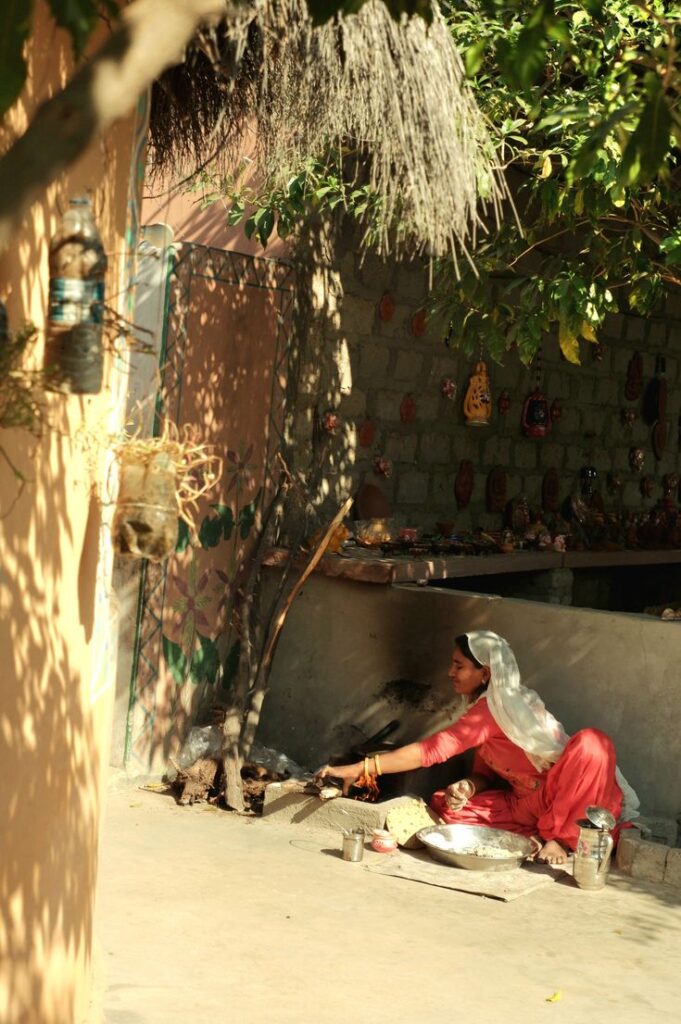
About twenty kilometres outside the city, the villages of the Bishnoi community offer something that the city’s monuments cannot: an encounter with a living system of values that has shaped the landscape of this part of Rajasthan for five centuries.
The Bishnoi are a community whose religious principles include a strict prohibition on harming trees and animals, codified in the fifteenth century by their founder Guru Jambhoji. The results of this prohibition are visible in the landscape around their villages — blackbuck antelopes move freely through the farmland without fear of human harm, peacocks are a common presence, the trees around settlements have been maintained through periods when the surrounding desert was being depleted. This is not heritage conservation managed for tourism. It is a community still living by principles that produce the landscape you see when you are there.
A well-organised village visit — ideally with a guide who has genuine relationships with the community rather than a standard tourist circuit — adds a dimension to Jodhpur that changes how the city reads. The fort and the blue city tell you about Rajput power and merchant wealth. The Bishnoi villages tell you about a different set of values that existed alongside those things and continues to exist. Together, they give you a more complete picture of what this part of Rajasthan actually is.
Half a day is enough. The visit works best in the morning when the light is right for the landscape and the animals are more active.
Rao Jodha Desert Rock Park — The City in Its Geography
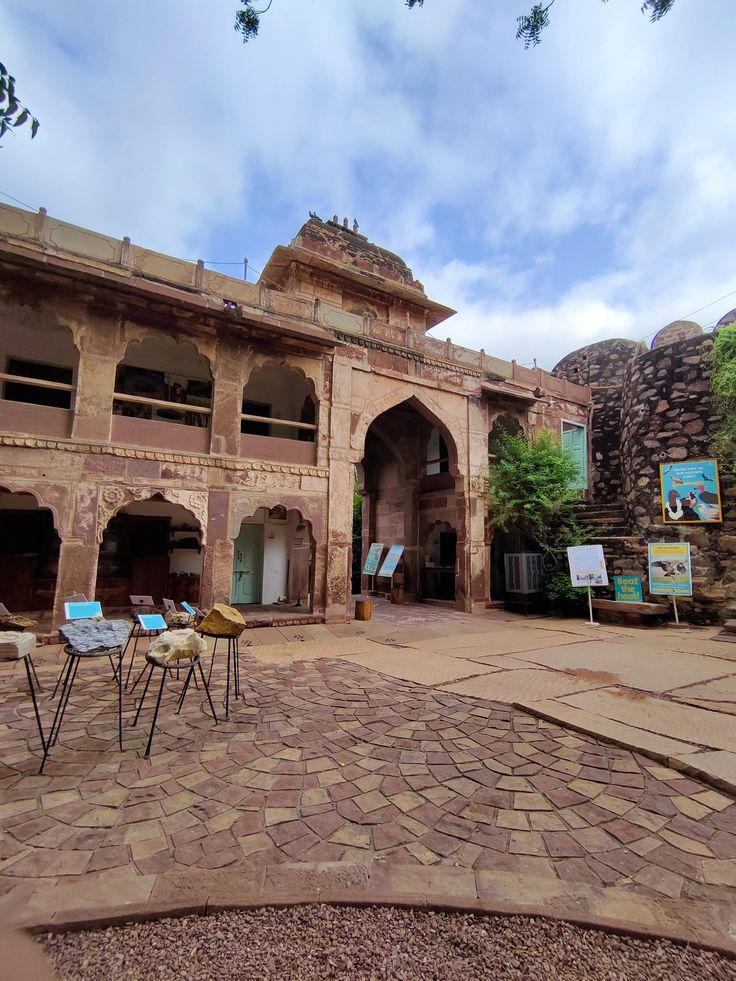
Directly below the fort walls, between Mehrangarh and the surrounding city, the Rao Jodha Desert Rock Park is a conservation area developed over the past twenty years to restore the native desert scrubland ecology that the fort’s immediate surroundings had lost to invasive species.
Walking through the park — there are marked paths that take between forty-five minutes and two hours depending on the route — gives you Jodhpur from a different perspective: the fort above, the city around, the desert geology and vegetation at your feet. It is not a dramatic experience in the way that the fort is dramatic. It is a contextual one — a reminder that the city was founded at the edge of the Thar Desert and that the landscape this desert produces is part of what Jodhpur is.
For travellers with a third day in Jodhpur, the park is a good morning activity before the day heats up. For those on a tighter schedule, it is an optional addition rather than an essential one.
Osian — The Desert Just Beyond the City
About sixty-five kilometres north of Jodhpur, the ancient temple town of Osian offers a half-day addition to a Jodhpur trip that is visited by very few travellers and remembered by almost all of them who go.
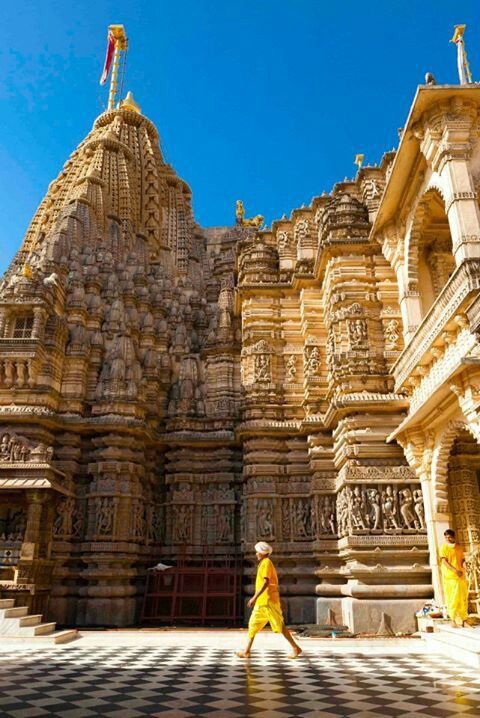
Osian was a significant centre of Jain and Hindu worship between the eighth and twelfth centuries, and what remains is a cluster of temples in varying states of preservation set in an open desert landscape on the edge of the dunes. The Sachiya Mata temple is still actively worshipped. The Jain temples nearby contain sculpture of genuine quality. The landscape around them — low dunes, sparse vegetation, the open desert beginning — gives the site a quality that more accessible historical sites in busier locations have lost.
The drive there is an hour and a half through the desert — itself part of the experience for those who want to understand what Rajasthan’s landscape actually is. The visit takes two to three hours. Return to Jodhpur by mid-afternoon. This is one of those additions to a Rajasthan circuit that is not on most standard itineraries and consistently earns its place.
Where to Stay — Inside the City, Not Adjacent to It
The most important accommodation decision in Jodhpur is whether to stay inside the old city or outside it.
Staying inside — in one of the heritage properties built into the old city fabric, many of them with fort views from the rooftop — puts you inside the rhythm of Jodhpur rather than at a comfortable remove from it. The lanes are narrow and sometimes noisy. Vehicle access to some properties requires walking a short distance from where a vehicle can go. These are real trade-offs and worth knowing about in advance.
What you gain is the quality of the city at the edges of the day — the early morning light in the lanes before the day has started, the evening view from a rooftop with the fort illuminated and the city softening beneath it. For most travellers who have come to actually experience Jodhpur, these moments justify the practical inconveniences of staying inside the old city.
Staying outside offers more comfort and easier logistics, but places Jodhpur at one remove — a place you travel to and from rather than a place you are in. Both are legitimate choices. The question is what kind of experience you are here for.
Practical Notes
Getting there: Jodhpur has a domestic airport with connections to Delhi, Mumbai, and other major Indian cities. By train, it is five to six hours from Jaipur and four to five hours from Jaisalmer — both comfortable journeys that work well in a desert circuit. The train from Delhi to Jodhpur is an overnight journey with good options.
Getting around the city: Walking covers most of what the old city offers. Auto-rickshaws are practical for the distances between the old city and Umaid Bhawan or the rock park. For the Bishnoi villages and Osian, a hired vehicle for the day is the most practical approach — a driver who knows both routes well is worth asking your accommodation to recommend specifically.
Food: Jodhpur’s cuisine is one of the genuine pleasures of a Rajasthan trip. Makhania lassi — a thick, cream-topped lassi sold from specific shops in the old city — is not optional. Mirchi bada, the deep-fried green chilli fritter stuffed with spiced potato, is the correct local street food. Pyaaz kachori from the market is breakfast. Laal maas, the fiery red meat curry that is Rajasthan’s most distinctive non-vegetarian dish, is available at reliable restaurants in the city and worth seeking out on an evening when the appetite is right for it. Eat where you see local people eating, and balance the street food with at least one proper meal at a well-reviewed restaurant.
Navigation in the old city: The lanes do not follow a logical grid and will disorient you. This is not a problem. The old city is small enough that you will emerge somewhere recognisable within ten minutes of walking in any direction. Accept the disorientation as part of how the place works rather than something to be solved.
Freedom Trail India plans private journeys through Jodhpur, the desert circuit, and across Rajasthan. If you are building a Rajasthan itinerary and want to design the Jodhpur section properly — or want to understand how it connects to the rest of the circuit — we are glad to help.