The Place That Begins Before You Arrive
Most destinations announce themselves at a clear moment — you enter the town, you see the fort, you reach the viewpoint. Alleppey does not work this way.
The experience begins on the approach. The roads narrow. Canals appear alongside the tarmac, separated from the road by a strip of earth barely wide enough to walk on. Coconut palms lean over the water at angles that suggest they have been doing this for a very long time. And then, slowly, it becomes apparent that the land and the water are not separate things here — they are the same thing in different proportions, and the entire landscape is arranged according to a logic that has nothing to do with the road you arrived on.
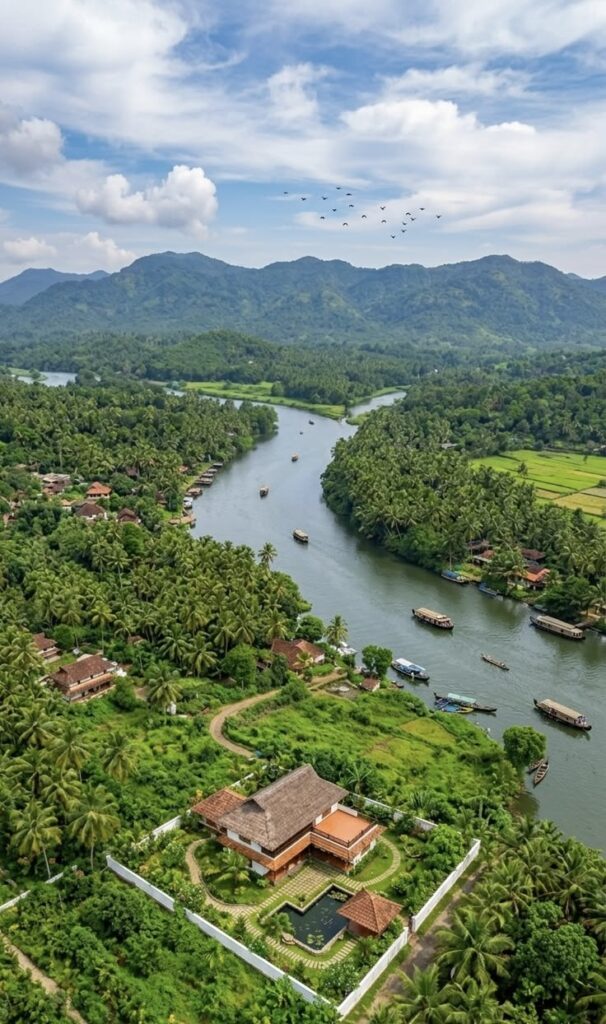
This is the backwater system of Kerala — a network of canals, lagoons, rivers, and lakes that stretches along the coast behind the Arabian Sea, linking communities that have organised their daily lives around water for centuries. Alleppey, or Alappuzha, sits at the heart of this system, and it is the town from which most visitors access the backwaters. But the town itself is secondary. What matters is the water — and what happens when you stop treating it as a scenic backdrop and start moving through it at its own pace.
What the Backwaters Actually Are
The Kerala backwater system is not a natural park or a curated experience. It is a functioning landscape — a place where people live, work, move goods, and conduct daily life using water routes that predate the roads that now run alongside many of the same channels.
Villages sit along the canal banks with their front doors a metre from the water. Children walk along narrow earthen paths beside canals to reach schools that are accessible only by boat from the other direction. Fishermen work the same sections of water they have worked for generations, their techniques unchanged by the tourism economy that has grown around them. Toddy tappers climb palms at dawn. Women wash clothes on stone steps at the canal edge. These are not performances — they are simply what happens in a place that was built around water and still is.
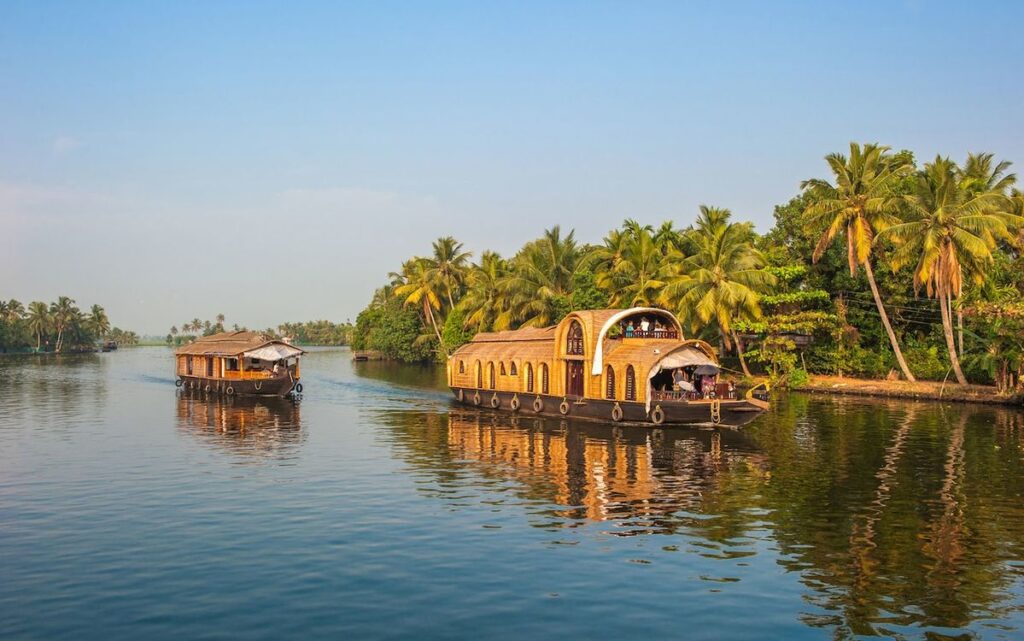
Moving through the backwaters means moving through all of this — not looking at it from the outside but being inside it, on the water, at the pace of the water. A houseboat drifting along a narrow canal in the late afternoon passes through a village’s daily life the way a walk through a market does — you are briefly part of the scene, observed and observing simultaneously. That quality of mutual presence is what makes the backwaters different from a boat tour, and it requires a certain stillness and attention to access.
When to Go — Two Versions of the Same Place
October through March is the primary season. The humidity that defines Kerala’s coastal climate is present but manageable, the skies are clearer, and the backwaters are calm and accessible. This is when the houseboat operators are fully running, the guest house ecosystem around the canals is at its best, and the experience is most comfortable for the majority of visitors. December and January are the busiest months within this window, particularly around the Christmas and New Year period, when the better houseboats book well in advance.
Monsoon — June through September — is when the backwaters transform into something that is, in its own way, more atmospheric than the dry season version. The greens deepen to an intensity that is almost unreal. The water level rises. The rain arrives in the late afternoon with a regularity that becomes part of the rhythm of the day. The humidity is significant and the conditions for outdoor activity are reduced, but the quality of simply sitting on a covered deck and watching the landscape in the rain — the coconut palms, the canal, the rain patterns on the water — is something the dry season cannot replicate. The monsoon backwaters are quieter, more personal, and more visually extraordinary. They are also slower, less predictable, and require a different kind of traveller.
The honest framing: come in October through March for comfort and accessibility. Come in monsoon if you are specifically drawn to rain-season Kerala and have the flexibility that unpredictable weather requires.
The Houseboat — Where Most Trips Go Wrong
The houseboat experience is the anchor of any Alleppey visit, and it is the thing most commonly done in a way that produces disappointment rather than satisfaction. Understanding why is the most useful preparation.
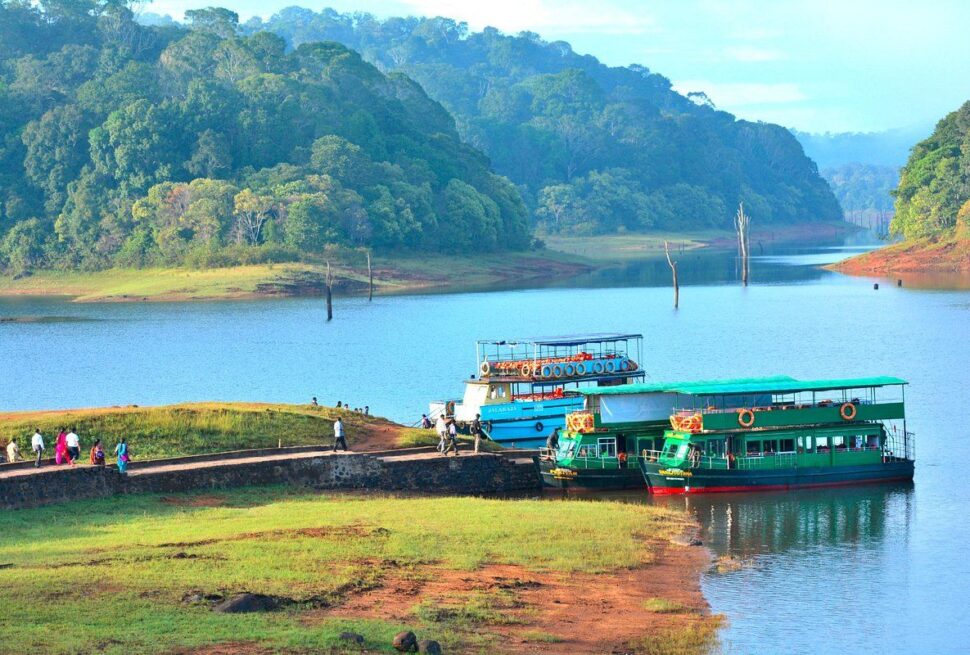
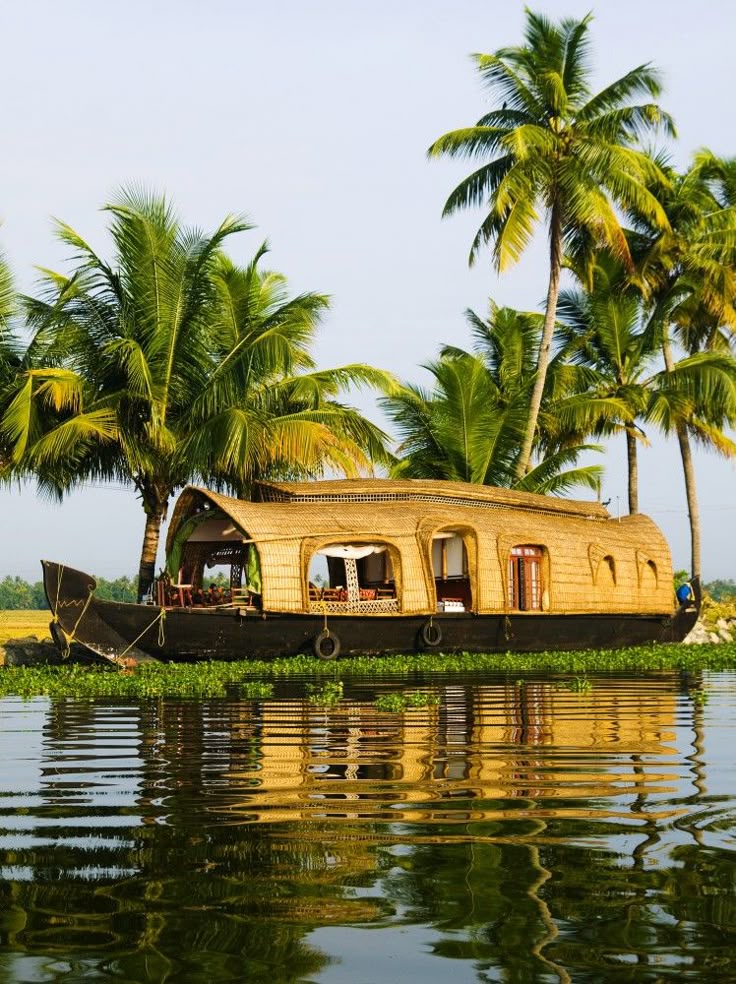
The backwater houseboat market in Kerala ranges from small, well-managed kettuvallam — traditional rice barge-style boats — to large, multi-deck vessels that carry groups of people on a fixed route at a pace dictated by a schedule rather than by the landscape. The larger boats, which are more visible in the marketing and often cheaper per person on a per-head basis, produce an experience that feels mechanical: you move, you eat the meal that has been prepared for you, you sleep, you return to the jetty. The route is the same route most other boats are taking. The schedule leaves no room for stopping where something interesting is happening. The experience is completed rather than experienced.
A smaller, well-chosen houseboat — a single boat carrying a couple or a small family, with a crew that knows the quieter channels and is responsive to where the passengers want to be — produces something categorically different. The pace is slower because there is no group consensus to manage. The crew can take a narrower channel to show you a section of the backwaters that the larger boats cannot navigate. When you want to stop and watch something — a fishing boat, a sunset over the paddy fields, the particular quality of the water at dusk — the boat stops.
The difference in cost between a larger boat and a well-chosen smaller one is real but not enormous. The difference in experience is substantial. Ask specifically, when booking, about boat size, crew knowledge, and route flexibility. The operators who give you a direct and thoughtful answer to those questions are the right ones to book with.
One Night or Two — and Why the Second Evening Matters
The standard Alleppey houseboat booking is one night — departure from the jetty in the afternoon, a night on the water, return the following morning. This is sufficient for the basic experience. It is not sufficient for the backwaters to deliver what they are capable of delivering.
The backwaters change at different hours of the day, and the hour that most one-night bookings miss is the early morning. The canals at dawn — before the day has fully started, before the other boats are moving, before the villages along the bank have begun the activity of the working day — have a quality of stillness that the afternoon and evening do not. The light at that hour is different. The water is different. The birds — kingfishers, cormorants, the occasional heron standing completely still in the shallows — are visible in a way they are not when the water is busier.
A second night on the water, or a night at a canal-side homestay after the houseboat, gives you that morning. It also gives you the transition between the two versions of the backwaters — the busy afternoon, the softened evening, the quiet night, the still morning — which is the full rhythm of the place rather than a cross-section of it.
Beyond the Boat — What Most Visitors Skip
If you only do the houseboat and leave, you miss a dimension of Alleppey that is actually more accessible than the boat and in some ways more memorable.
The village paths along the canal banks — accessible on foot or by small country boat — take you into the daily life of the backwater communities in a way that the houseboat does not. The houseboat sees the villages from the water. Walking the canal-side paths puts you inside them. The morning walk through a village where the day is beginning — the smell of cooking from open kitchens, the boats being loaded for the day’s movement, the quality of life that is entirely organized around the proximity of water — gives you context for the houseboat experience that makes it more legible and more felt.
The local ferries that operate on the backwater routes — cheap, crowded, utilitarian — are worth taking at least once. The Alleppey to Kottayam public ferry, which runs through the backwaters for three and a half hours, passes through village life in a way that a private houseboat does not: stopping at small jetties, picking up and dropping off people going about their actual day. It is inexpensive, slow, and one of the more genuine encounters with the backwater system available to a visitor.
The Food — Let It Come to You
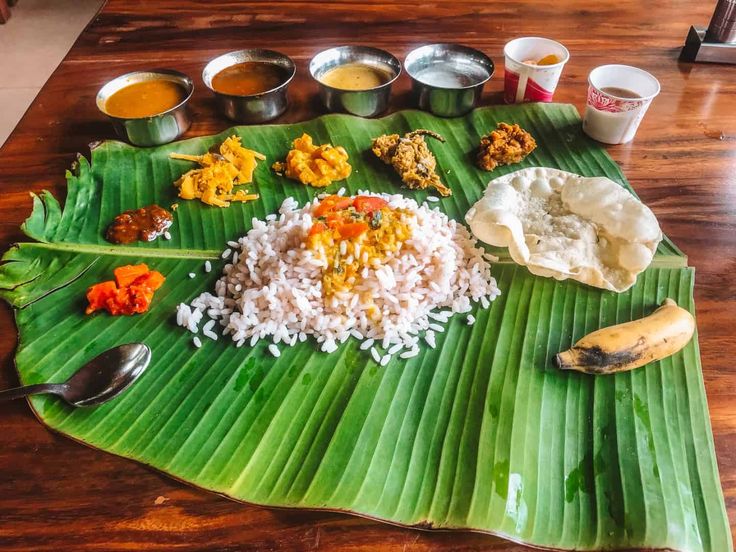
Kerala cuisine is, in the context of the backwaters, inseparable from the landscape that produced it. Rice from the paddy fields visible from the boat. Coconut in forms that range from the oil in which things are cooked to the milk that defines the curries to the fresh grated coconut that appears as a garnish on half the dishes. Fish from the same canals and lagoons the boat is moving through. The cooking is direct, not elaborate — the quality comes from the ingredients rather than from technique.
On a well-run houseboat, the meals cooked onboard by the crew are often the best food of a Kerala trip — not because the cooking is exceptional, but because the setting and the ingredients and the timing (lunch on the deck in the middle of the backwaters, dinner as the sky goes dark over the water) make the meal part of the experience rather than a pause from it.
Eat what the crew cooks. Do not request modified versions of the food in the interest of familiarity. The Kerala food on a backwater houseboat, eaten on the water, at the pace of the water, is doing exactly what it should be doing.
Practical Notes
Getting there: Alleppey is approximately 85 kilometres from Kochi — a roughly two hour drive. From Thiruvananthapuram, it is approximately 155 kilometres and three hours. The town is on the main coastal railway line, with regular connections from both Kochi and Thiruvananthapuram. Most travellers arrive from Kochi, which is the nearest major international airport.
Booking a houseboat: Book directly with operators or through well-reviewed agents rather than through the large online platforms, which tend to prioritise volume over quality. Visit the jetty in person if possible before finalising the booking — seeing the actual boat and meeting the crew before committing is the most reliable quality check available. Prices vary significantly; the cheapest option on any given platform is not the right starting point.
Kottayam as an alternative base: For travellers who want the backwater experience without the tourism concentration of Alleppey town, Kottayam on the eastern edge of the backwater system offers homestays and smaller canal-side properties with access to the same waterways and significantly fewer other visitors. The Kumarakom area, between Kottayam and the lake, is particularly well-positioned.
What to bring: Light cotton clothing, a sun hat for the deck hours, insect repellent for evenings near the water, and less luggage than you think you need — the storage on smaller houseboats is limited and the experience is better with less.
Freedom Trail India plans private Kerala journeys including backwater circuits, coastal routes, and combined itineraries across south India. If you are planning a Kerala trip and want honest advice on how to structure the backwater section — we are glad to help.