A Town That Changes As You Rise Through It
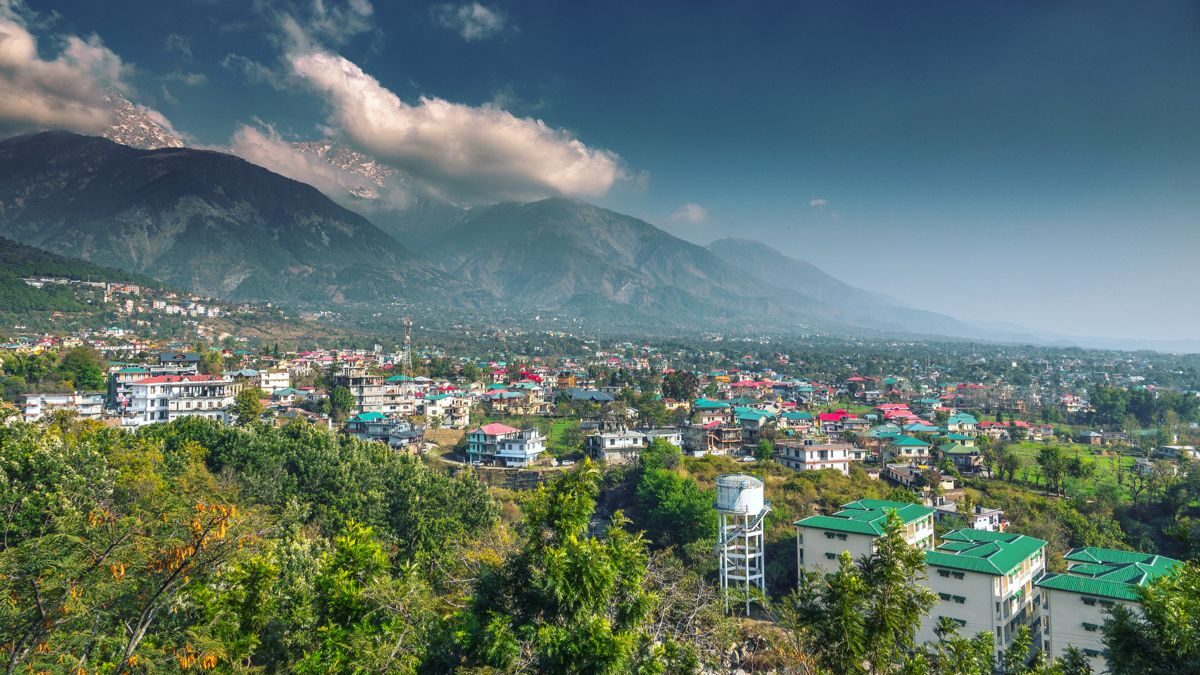
Most hill towns in India are legible from arrival — you understand quickly what kind of place it is and what it is offering. Dharamshala takes longer, and the reason is that it is not one place but several, stacked vertically along a hillside in a way that means the experience depends entirely on where within it you are.
At the lower town level, Dharamshala looks and feels like a standard Himachal Pradesh hill settlement — local commercial life, ordinary traffic, the functional infrastructure of a district headquarters that has been operating as such since the British established it. There is nothing wrong with this lower town, but it is not the reason most people come.
As you move upward — through the middle settlements of Forsyth Ganj and Kotwali Bazaar, and then into McLeod Ganj at the upper elevation — the character of the place changes progressively. The air cools. The architecture shifts. The cultural presence of the Tibetan community in exile becomes increasingly visible — in the monasteries, in the food, in the prayer flags above the streets, in the particular quality of pace that the Tibetan quarter carries. By the time you are fully in McLeod Ganj, you could be in a different town from the one you passed through at the lower level.
This layered quality is what makes Dharamshala worth understanding before you arrive, because the experience you have here is directly determined by how you move through its different registers rather than by staying fixed in any one of them.
What Dharamshala Actually Is
Dharamshala became internationally known in 1960 when the Dalai Lama established it as the seat of the Tibetan government-in-exile following the Chinese occupation of Tibet. The Tibetan community that settled here and grew over the following decades has created, in McLeod Ganj, something genuinely unusual: a living Tibetan cultural environment outside Tibet, functioning not as a heritage display but as the actual ongoing life of a displaced community.
This is the context that changes how you experience the monasteries, the cultural institutions, and the streets of the upper town. The Namgyal Monastery adjacent to the Dalai Lama’s residence is not a museum piece. The Tibet Museum in McLeod Ganj documents recent history that is still unresolved. The monks in the streets are not performing for tourism. These are people in exile, building and maintaining a culture under circumstances that give the entire place a depth that conventional hill station tourism does not have.
Alongside the Tibetan dimension, Dharamshala is also a Himachali town with its own distinct local life — the lower town functioning as it would regardless of the upper town’s global fame, local temple traditions continuing, the Himachali culture of the region present in the villages around the main settlement. Both are real, and a visit that engages with both gives you a more complete picture of the place than one that focuses exclusively on the Tibetan cultural quarter.
When to Go — Crowd Rhythm Matters As Much As Weather
Dharamshala’s seasonal character is shaped by two variables simultaneously: the weather and the volume of travellers passing through McLeod Ganj.
March through June is the busiest window. The weather is excellent — warm enough to be comfortable, cool enough to walk without difficulty, the rhododendrons in bloom on the higher slopes in March and April. The town is active, the cafés and rooftop restaurants are full, and the particular energy of McLeod Ganj — which has long attracted a mix of long-term travellers, yoga and meditation students, and visitors with a genuine interest in Tibetan Buddhism — is at its most concentrated. For first-time visitors who want the full social and cultural immersion, this window works well. For those who want a quieter version of the same place, it works less well.
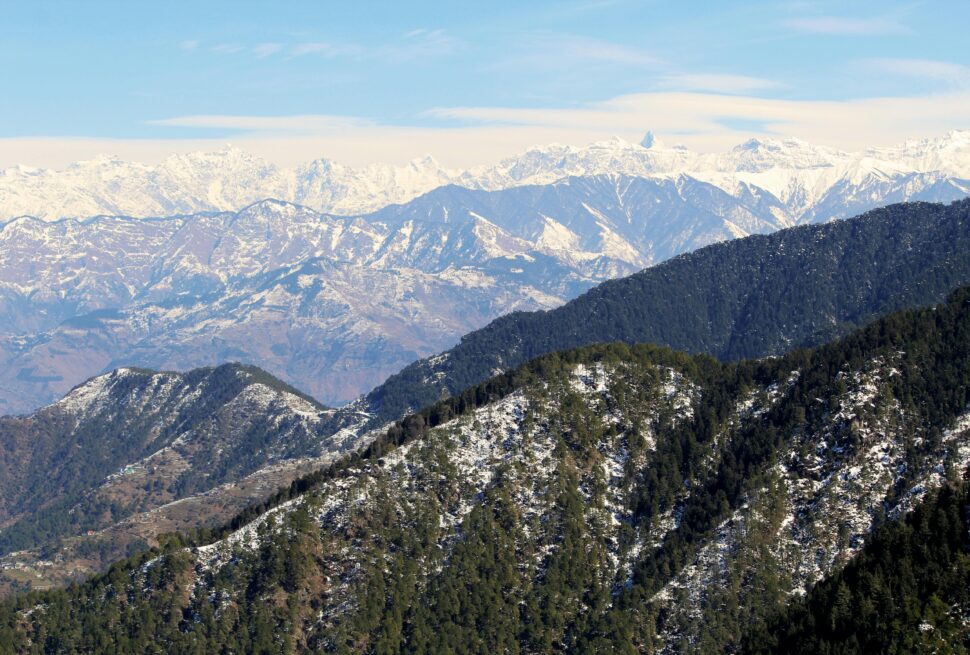
September through November is the post-monsoon alternative. The skies clear significantly after the rains — the Dhauladhar range, which can disappear behind cloud cover for days at a time during monsoon, becomes cleanly visible, and on the clearest days the views from the upper reaches of the town are extraordinary. The visitor numbers have thinned from the summer peak, and the atmosphere of McLeod Ganj in October and November has a quality that the busier months do not — more settled, more personal, easier to have the kind of slow encounter with the place that the town’s culture rewards.
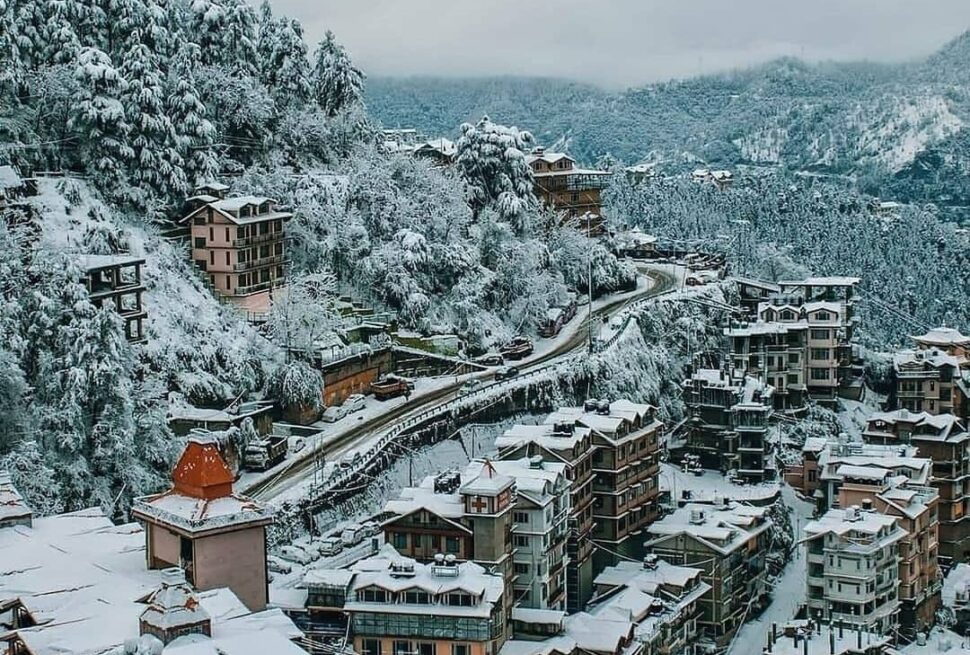
Winter — December through February — brings cold and quiet in equal measure. Some of the cafés and guesthouses that cater to the seasonal visitor economy close or reduce their operations. The town becomes more local, the Tibetan community’s daily life more visible without the overlay of tourist activity. For travellers who specifically want to experience Dharamshala as a place where people actually live rather than as a destination, winter has appeal — but come prepared for genuine cold and reduced availability of services.
McLeod Ganj — The Upper Town and How to Use It
McLeod Ganj is where most visitors to Dharamshala spend the majority of their time, and for understandable reasons: the cultural concentration here — the Namgyal Monastery, the Tibet Museum, the Tibetan quarter, the particular atmosphere of the main square and surrounding streets — is accessible in a way that more dispersed or remote Tibetan cultural sites are not.
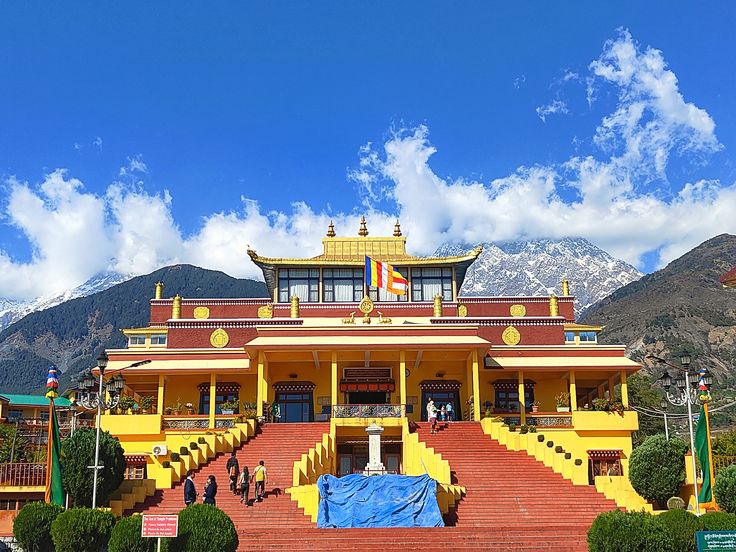
The Namgyal Monastery is the most significant religious institution in the town and the personal monastery of the Dalai Lama. It is large, active, and open to respectful visitors. The main temple contains statues and devotional art of genuine quality, and the courtyard is regularly used by monks for debate practice — a formal, vigorous form of philosophical discussion that is one of the most striking things to witness if it is happening during your visit. Arrive in the morning when the monastery is most active and allow at least an hour, moving slowly rather than passing through quickly.
The Tibet Museum nearby is a well-curated documentation of Tibetan history since 1950 — the occupation, the flight of the Dalai Lama, the experience of exile, the ongoing situation. It is not comfortable viewing, and it is not intended to be. For visitors who want to understand why Dharamshala is what it is — why this community is here, what they left and under what circumstances — the museum provides that context clearly and honestly. It takes about forty-five minutes. Do not skip it in favour of another café morning.
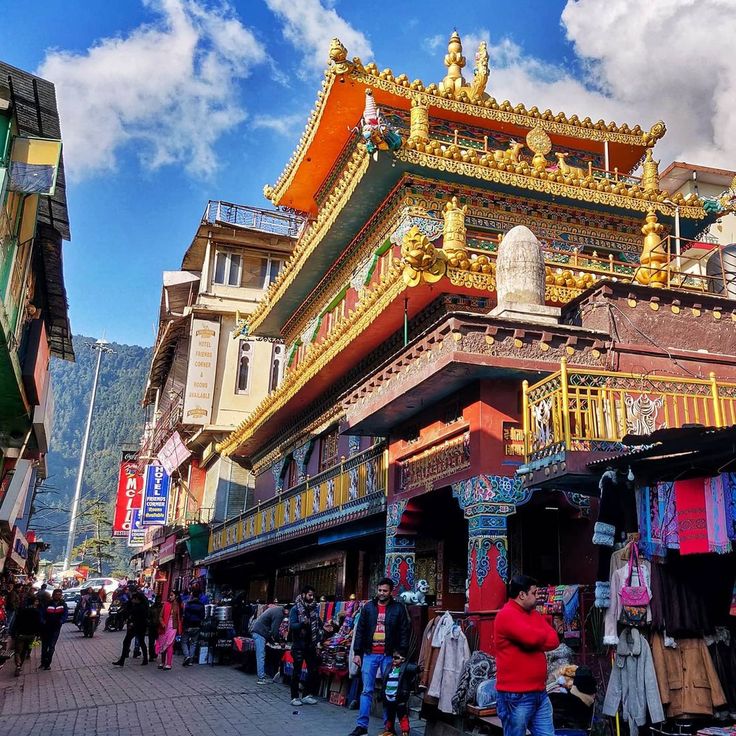
The streets of the main bazaar area in McLeod Ganj contain the ordinary commercial life of the Tibetan community alongside the more obvious tourist-facing shops: Tibetan handicrafts, thangka paintings, Buddhist texts and ritual objects alongside the cafés and guesthouses that serve the visitor economy. The quality of what is available in the craft shops varies enormously — from genuinely produced items made within the community to mass-produced goods with Tibetan aesthetics. Take time to understand what you are looking at before purchasing.
The Monasteries — What They Require of You
Beyond the Namgyal Monastery, Dharamshala and its surrounding villages contain a number of smaller monasteries and nunneries — some of them functioning educational institutions, others primarily devotional spaces. The Tushita Meditation Centre, above McLeod Ganj, runs structured meditation courses for international visitors and is a significant institution within the broader Tibetan Buddhist education network in India.
A visit to any monastery in Dharamshala asks for the same basic things: quiet, respect for the ongoing practice, appropriate dress (covered shoulders and legs), and the willingness to be present without demanding that the space perform for you. The monasteries are not galleries. They are places where people are engaged in practice that may have been continuous for hours before you arrived and will continue after you leave. The visitor’s role is to observe, not to direct.
Even a brief, properly attentive visit to a working monastery changes the texture of the day. The sound environment, the visual environment, the pace — all of it is different from the town outside the gate, and that contrast is itself valuable.
Moving Beyond McLeod Ganj — What the Town Becomes
If you spend all your time in McLeod Ganj itself, you get one version of Dharamshala. Moving slightly out of the main settlement — along the walking paths that lead through the surrounding villages and forests — gives you another.
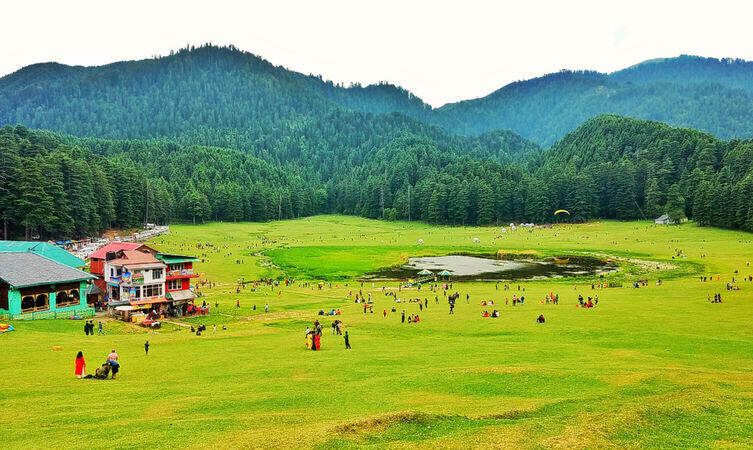
The Bhagsu area, a short walk from McLeod Ganj, has a waterfall that has long attracted both locals and visitors and a small temple with its own distinct atmosphere. The walk is twenty minutes of easy terrain and the destination adds a different quality to the day — more natural, less curated, the Dhauladhar range more present as you move out of the built environment.
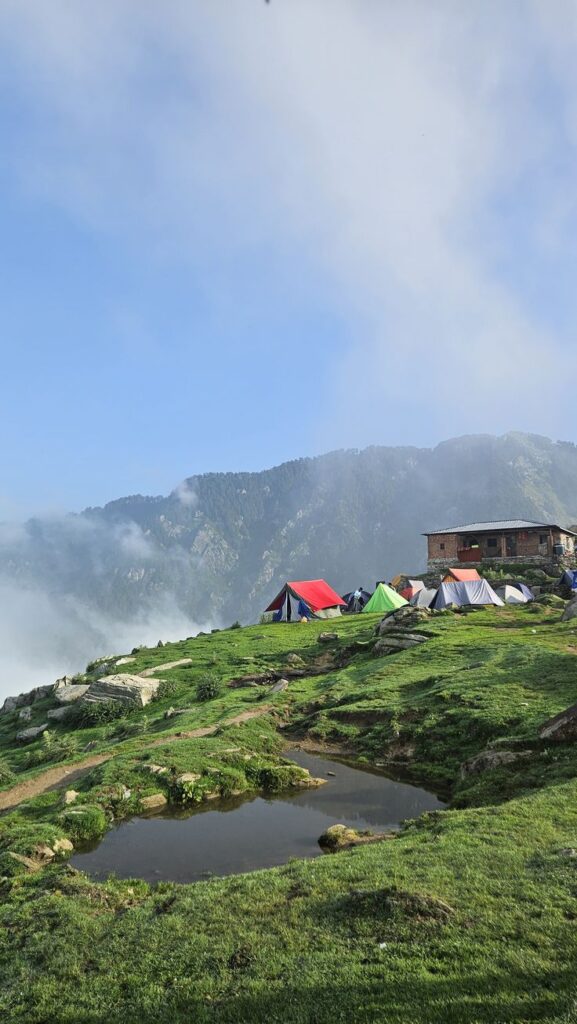
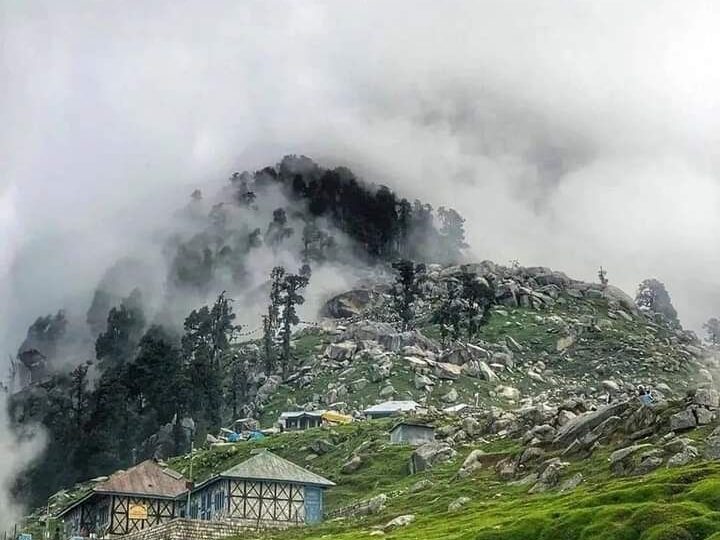
The Triund Trek, beginning from near McLeod Ganj and ascending to a ridge at approximately 2,800 metres, is the most popular longer walk from the town. A full day out and back, it takes you above the settlement and into the open Himalayan landscape — the kind of terrain that the town below is framed within but that is not directly visible from it. The views from the Triund ridge, with the Dhauladhar face rising immediately behind and the Kangra Valley spreading below, are genuinely spectacular. This is worth a full day for anyone with the fitness and interest.
The lower Dharamshala town is worth a brief half-day, partly for contrast and partly for the Kangra art tradition that is the region’s distinct cultural contribution — miniature paintings in the Kangra school style, different in character from the Mewar or Mughal miniature traditions, and associated with this specific valley. The small museum in the lower town has examples.
Where to Stay — The Vertical Decision
The choice of where to stay in Dharamshala is essentially a choice about which version of the place you want to be inside.
Staying in McLeod Ganj means being within the cultural heart of the destination — the monasteries are walkable, the main atmosphere is immediately outside your door, the evening quality of the upper town in good weather is excellent. The trade-offs are the noise and activity of a busy tourist quarter and the limited vehicle access in the narrower parts of the bazaar area.
Staying in the quieter areas slightly removed from the McLeod Ganj centre — in Dharamkot above, or in the residential areas between the main bazaar and Bhagsu — gives you more quiet and often better mountain views, at the cost of a short walk or auto-rickshaw ride to the main areas. For travellers who want to wake up to the Dhauladhar rather than to the sound of the morning market, these positions work better.
Staying in the lower town is primarily for those who need the infrastructure of a larger town and are treating McLeod Ganj as a day destination. This is the least interesting position for most travellers visiting specifically for the upper town’s atmosphere.
Practical Notes
Getting there: Dharamshala is most commonly reached from Pathankot, the nearest major railhead, which is approximately ninety kilometres away and accessible by taxi or bus in two to two and a half hours. The Kangra Valley railway — a narrow-gauge line running from Pathankot to Jogindernagar — is a slow but scenic alternative that passes through the Kangra Valley and gives you a different approach to the region. Gaggal Airport, twelve kilometres from the main town, has connections to Delhi and a small number of other cities, though flight availability varies seasonally.
Auto-rickshaws between levels: The elevation difference between lower Dharamshala and McLeod Ganj means that walking between them is a real physical undertaking — a steep ascent of approximately five kilometres. Auto-rickshaws and taxis cover the route regularly and inexpensively. Within McLeod Ganj itself, walking covers almost everything.
Monastic etiquette: Remove footwear before entering any monastery or temple. Dress modestly — covered shoulders and legs are standard. Photography inside monastery temples should be done with care: ask if there is any uncertainty, and never photograph during active prayer or ceremony without clear indication that it is appropriate.
Freedom Trail India plans private journeys through Dharamshala, the Kangra Valley, and across Himachal Pradesh. If you are thinking about a Himachal trip and want honest advice on how to build it — we are glad to help.