The Hill Town That Doesn’t Rush You
There is a particular kind of arrival that Dalhousie produces, and it is different from most Indian hill destinations.
You come in through pine forest, the road winding steadily upward, the air cooling in the way that mountain air does — noticeably, pleasantly, in a way that marks a clear transition from wherever you came from. The town appears gradually across a set of connected hills rather than announcing itself from a single dramatic vantage point. The buildings are spread out. The pace on the streets, even in the busier months, is unhurried. And within a short time of arriving, something becomes clear: this is a place that is not trying to engage you. It is simply there, doing what it has been doing for a long time, and it is up to you to find your way into it at whatever pace makes sense.
Dalhousie was established in 1854 as a summer retreat for British officers stationed in the Punjab plains — a place to escape the heat, recover from the administrative year, move at a different pace. That original intention is still visible in the physical fabric of the town: the colonial-era bungalows and churches, the walking paths that were designed for an era before motor vehicles, the general sense of a place that was built for rest rather than for commerce or industry. The colonial buildings have aged and some have been converted and some have been lost, but the underlying character of the town — its refusal to be dense or urgent — has survived.
This is either immediately appealing or slightly frustrating, depending on what kind of traveller you are. If you need stimulation and activity to feel like a trip is working, Dalhousie will feel slow and limited. If you are looking for a place where the agenda can be minimal without that feeling like failure, it will feel exactly right.
What Dalhousie Is — And Isn’t
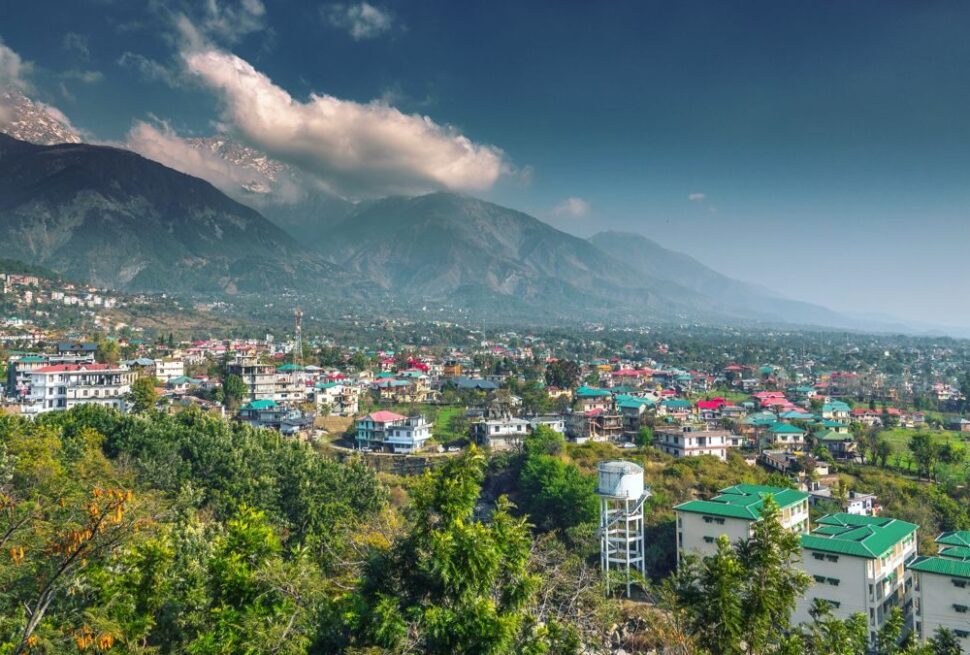
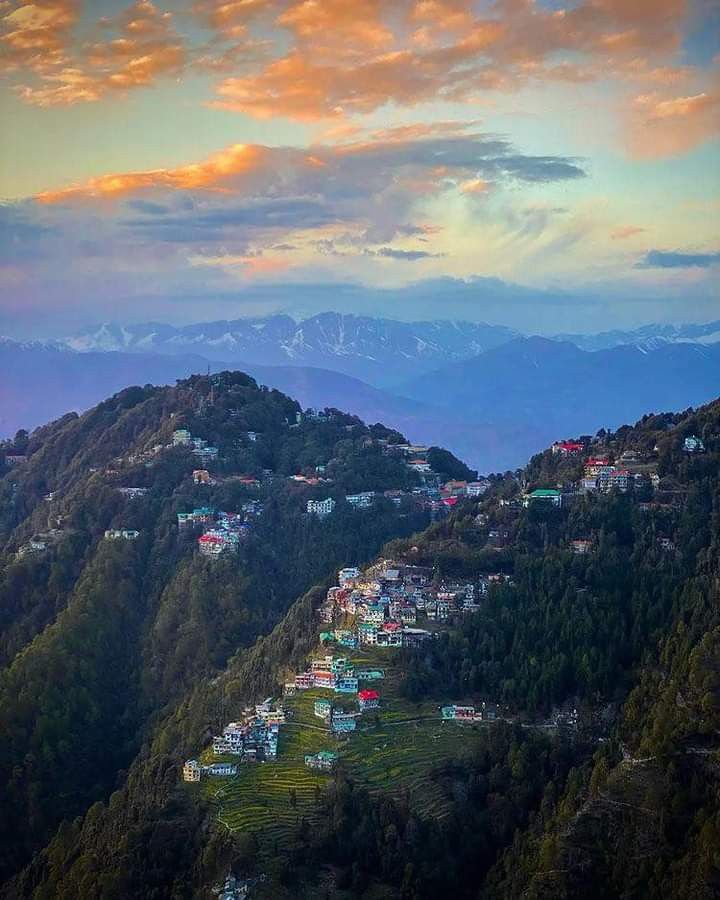
Dalhousie is spread across five hills — Kathlog, Patreyn, Tehra, Bakrota, and Balun — connected by roads that wind through pine and rhododendron forest. The main bazaar areas of Gandhi Chowk and Subhash Chowk serve as the commercial centres. The old residential areas, where the colonial bungalows and the churches that mark the original settlement are found, sit in the quieter sections above and around the bazaars.
It is not a town with a concentrated list of monuments to work through. The St. Francis Church and St. John’s Church, both dating from the colonial period, are worth a look for their architectural context and the views from their grounds. The Subhash Baoli — a natural spring site associated with Subhash Chandra Bose, who stayed in Dalhousie during a period of convalescence — has a small memorial and a quiet garden that rewards a brief detour. The Bakrota Hills walking circuit, which takes you through the more residential and forested parts of the town over two to three hours, is the best single way to understand the geography and the character of Dalhousie from within it.
Beyond these, the experience of Dalhousie is largely unstructured — walks along quiet roads, afternoons with a view, the particular quality of mountain air and pine forest that does not require a planned activity to deliver its value.
When to Go — Two Distinct Windows
March through June is the primary season. The rhododendrons are in bloom through March and April, the weather is genuinely pleasant for outdoor movement, and the town is at its most active. Dalhousie in this window attracts a mix of families escaping the plains heat, couples on slow holidays, and travellers using it as a base for Khajjiar and the broader Chamba district. It is busy relative to its off-season self but nowhere near the crowd pressure of more famous Himachal destinations. The days are long and the evenings are cool enough to sit outside without discomfort.
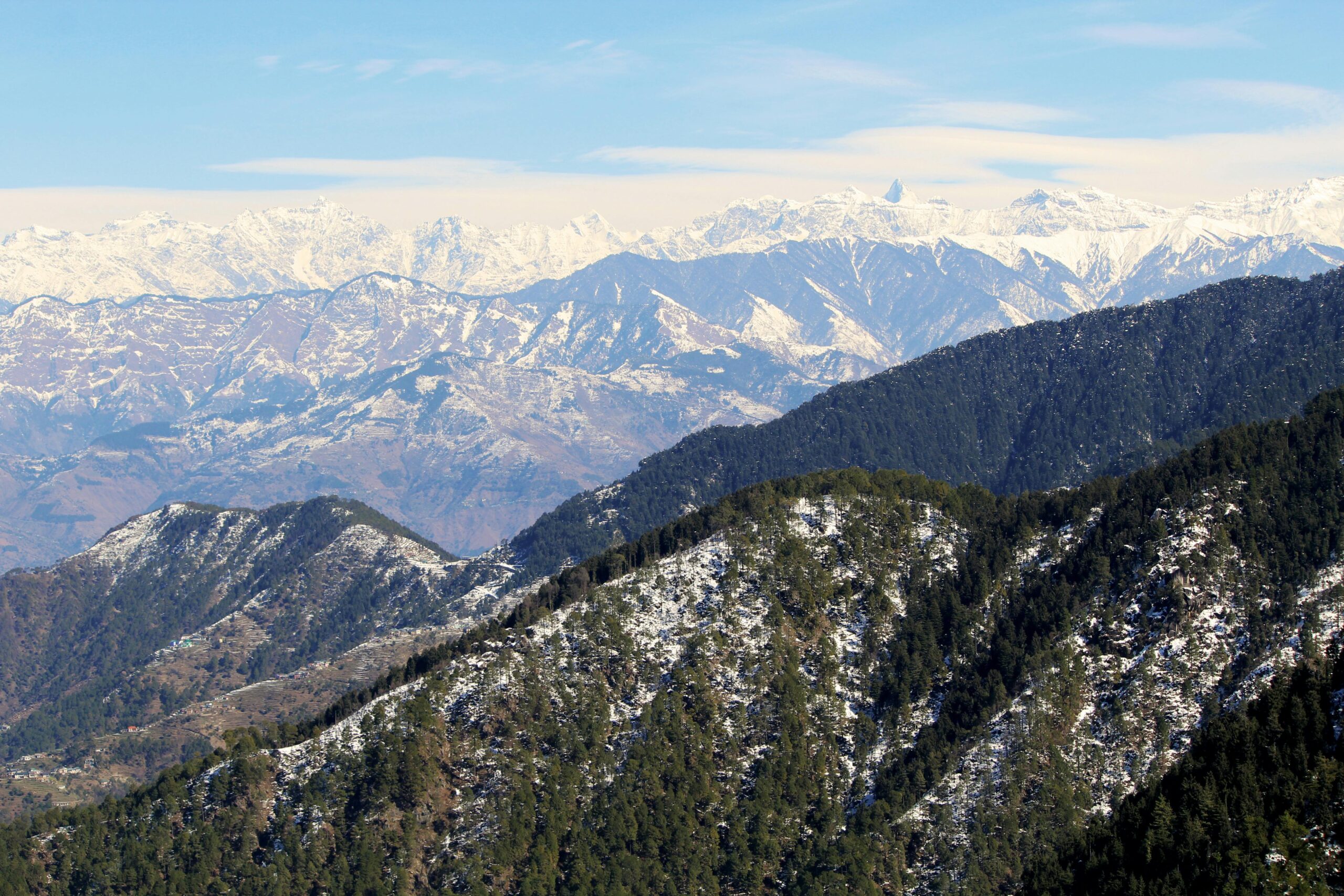
September through November is the post-monsoon window that many experienced hill travellers prefer. The rains have cleaned the air and deepened the greens of the surrounding forest. The Pir Panjal and Dhauladhar ranges, which can be obscured by cloud and haze through the summer months, are often sharply visible on clear autumn days. The visitor numbers have reduced from the summer peak and the town has a quieter, more settled quality that suits the pace of the place well.
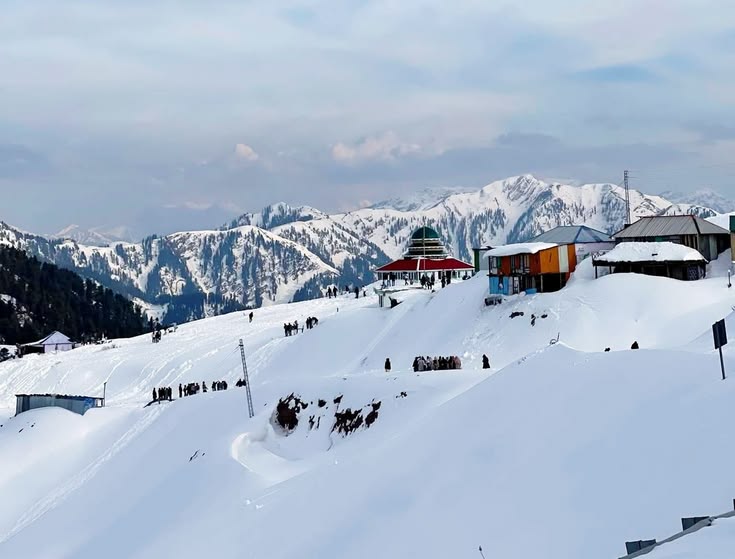
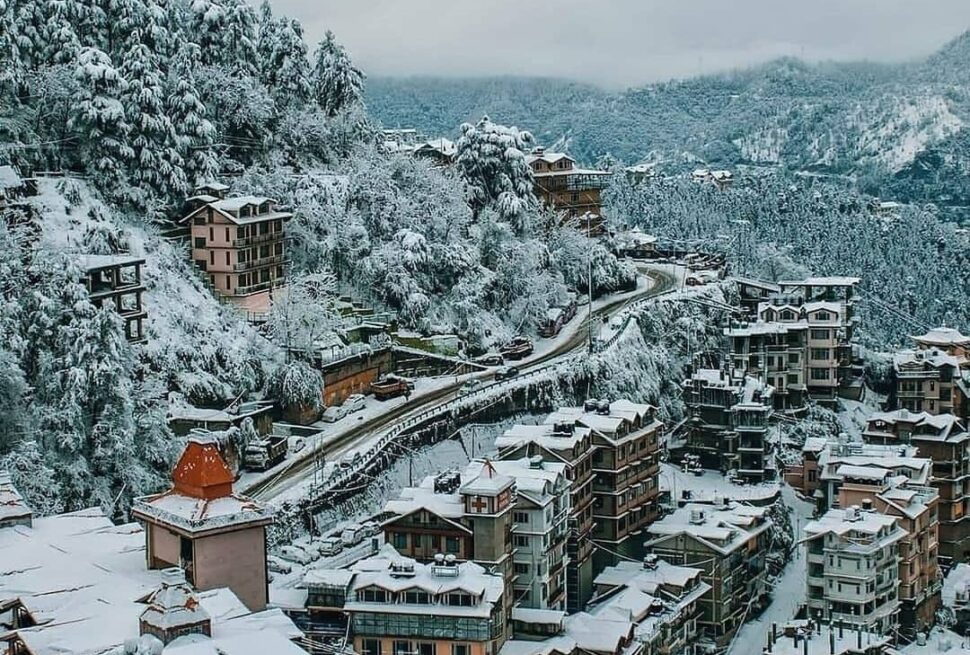
Winter brings cold that is genuine at this altitude — temperatures drop below freezing on winter nights, and snowfall is possible from December through February. The town quiets considerably, some businesses operate on reduced hours, and the roads to Khajjiar can become temporarily impassable after heavy snow. For travellers who want Dalhousie in its most stripped-back form — fewer people, slower pace, the particular atmosphere of a hill town in winter — this season has its own appeal. Come prepared for real cold and with flexibility in the schedule.
Walking as the Primary Experience
The most honest advice about how to spend time in Dalhousie is simply to walk — not toward a particular destination, but through the town and its surroundings at the pace that the terrain suggests.
The Bakrota Hills circuit is the most recommended walk in the town and deserves the recommendation. The route takes you through the residential and forested sections of the upper hills, past colonial bungalows in varying states of upkeep, through sections of pine forest where the sound of the bazaar disappears entirely, and along stretches of road where the views open to the surrounding ranges. The full circuit takes two to three hours at a comfortable pace. Do it in the morning before the day has fully heated up and before the road traffic builds.
The roads between Gandhi Chowk and Subhash Chowk through the main part of town are worth walking simply as an engagement with the town’s daily life — the small shops, the chai stalls, the sections of the bazaar where local commerce rather than tourist commerce is the primary activity. The older parts of the town near the churches have a quality of faded elegance that is worth looking at slowly rather than passing through
The paths above Subhash Chowk leading toward the forest give you pine forest at close range within ten minutes of the main commercial area. Early mornings in these sections — before the day has started in earnest — have the particular quality of high-altitude forest in the cool hours: bird sounds, light filtering through the canopy, the smell of pine. None of this requires any particular effort or planning.
Khajjiar — Treat It as an Extension, Not a Separate Destination
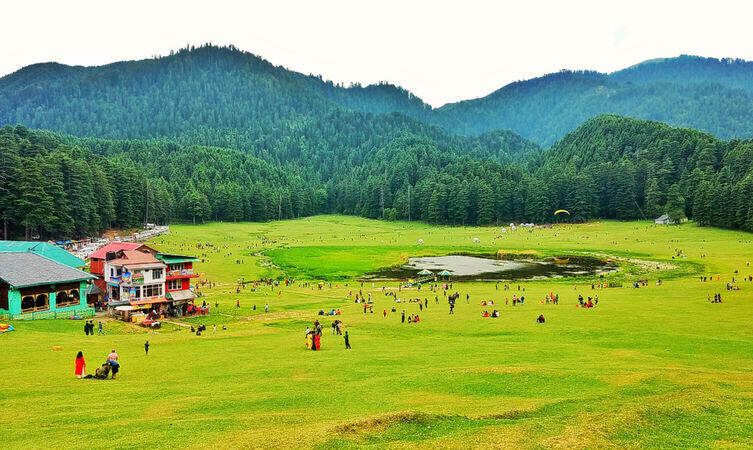
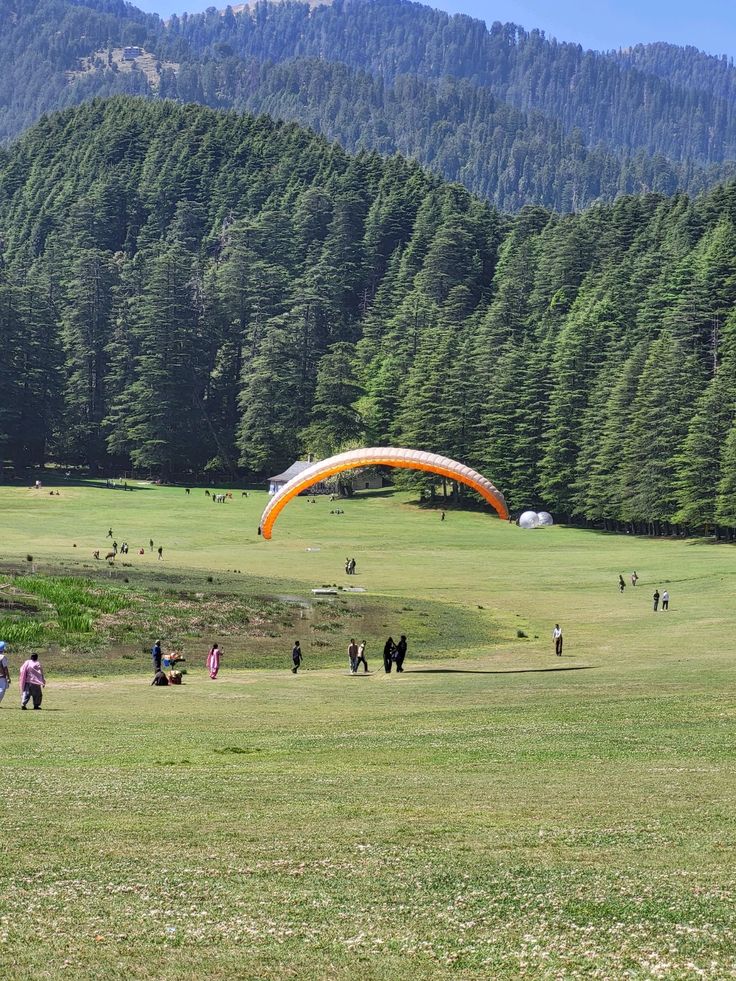
Khajjiar is twenty-four kilometres from Dalhousie and almost always visited as a day excursion from here. The drive through the deodar forest is itself part of the experience — forty-five minutes of winding road through dense old-growth forest that gives you the context for the meadow before you arrive at it.
The relationship between Dalhousie and Khajjiar is worth thinking about deliberately. Dalhousie is a hill town — built environment, roads, the daily life of a settlement. Khajjiar is a clearing — open meadow, a central lake, forest on all sides. They offer different things, and together they give the Chamba district visit a completeness that either one alone does not.
The mistake is treating Khajjiar as the main destination and Dalhousie as merely the base. Dalhousie has its own value and deserves its own unhurried time. Visit Khajjiar as one element of a broader stay rather than as the reason for the trip, and both places give you more than if you are rushing between them.
If the schedule allows, staying a night at Khajjiar itself rather than returning to Dalhousie gives you the meadow in the early morning and evening — the versions of it that the day visitors from Dalhousie do not have access to. The combination of a night at Dalhousie and a night at Khajjiar, with the drive through the forest as the transition, is a more complete experience of this part of the Chamba district than staying only in one place.
Chamba Town — The Part of the Circuit Almost Nobody Visits
Thirty-six kilometres beyond Khajjiar, the town of Chamba sits in a river valley at the confluence of the Ravi and Sal rivers, and it is one of the most genuinely undervisited destinations in Himachal Pradesh.
Chamba was the capital of the Chamba kingdom for over a millennium — a mountain state that maintained its independence through the medieval period and into the early twentieth century, and whose cultural output in art and temple architecture is significant and largely unknown outside specialist circles. The Lakshmi Narayan temple complex in the old town contains six temples built across several centuries in a north Indian style that is quite different from anything else in Himachal. The Chamba rumal — an embroidery tradition that has been practised here since at least the seventeenth century, with examples in museum collections in Delhi and London — is still produced by local artisans and can be found in the town’s craft shops.
The Chamba town bazaar and the old residential quarter that extends behind it have a character of lived-in antiquity that is the result of genuine age rather than preservation — streets that have been in use for centuries, buildings that reflect different periods of the town’s history without any of it having been cleaned up for tourism.
For travellers with the time and interest, Chamba town makes a full-day excursion from Dalhousie or a separate overnight stop in a broader Chamba district circuit. It is the kind of place that rewards the traveller who arrives knowing what they are looking at, and goes home having seen something that almost none of their fellow travellers to India will have encountered.
How Many Days and How to Use Them
Two nights in Dalhousie is the minimum for the town to make sense as a destination rather than a pass-through. Three nights is better, particularly if Khajjiar and Chamba town are being included.
The structure that works: a first day for arrival and orientation — the Bakrota Hills walk, the main bazaar areas, a slow evening. A second day for Khajjiar, either as a day trip or an overnight. A third day, if available, for Chamba town or simply for the unscheduled time that Dalhousie rewards.
The mistake is building the itinerary too tightly. Dalhousie does not have the density of activity to support a fully programmed two to three days. What it has instead is the quality of unstructured time in a place that is genuinely pleasant to be in — and that quality requires room in the schedule to work.
Where to Stay
The accommodation decision in Dalhousie is primarily about position: views and quiet on the one hand, convenience and access on the other.
Properties in the upper residential areas and on the outskirts of the main bazaar zones generally offer better views and more quiet — the surrounding forest is more present, the noise from the bazaar is less audible, and the quality of a morning on a mountain-facing terrace or balcony is part of the experience. These properties typically require a short auto-rickshaw ride to the main commercial areas rather than a walk.
Properties closer to Gandhi Chowk and Subhash Chowk are more convenient for the bazaar and the starting points for the main walks, but the views are often more limited and the ambient noise is higher.
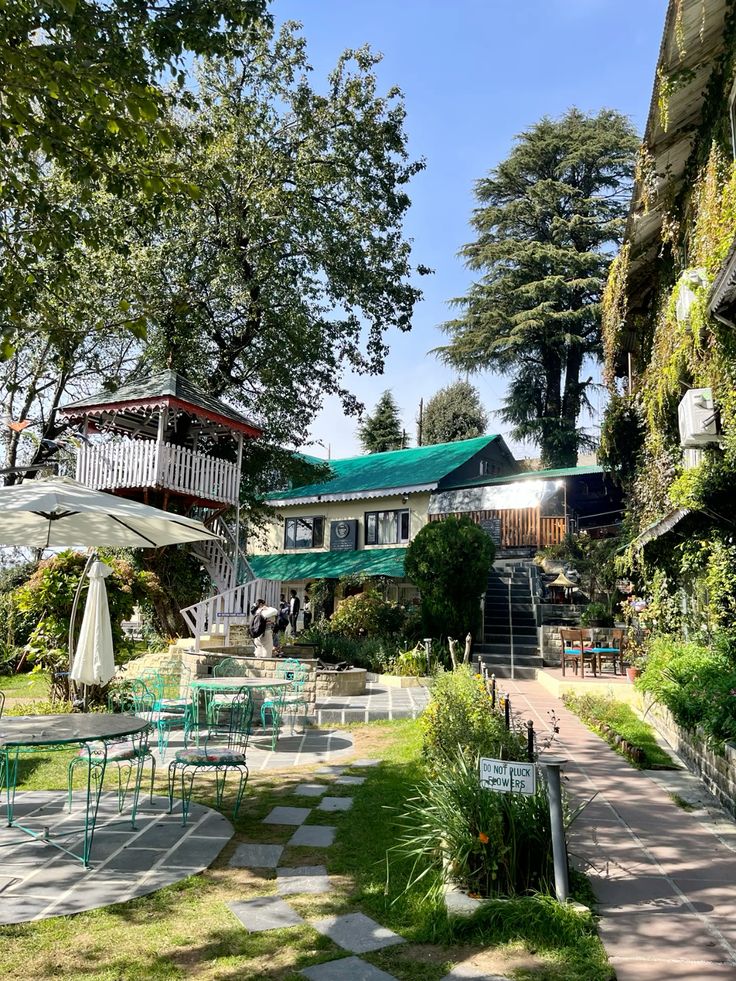
Dalhousie does not have the heritage hotel infrastructure that Rajasthan offers, but there are well-run mid-range properties and some genuinely characterful older buildings that have been converted into guesthouses. These older properties have the atmosphere that the town’s history suggests — slightly faded, full of wood and old construction, set in gardens that have been growing for a long time. At the right price point, they are the most interesting places to stay.
Practical Notes
Getting there: Pathankot is the nearest major railhead, approximately eighty kilometres from Dalhousie and accessible in two to two and a half hours byroad. Pathankot is well-connected to Delhi and other north Indian cities by both train and road. The Gaggal Airport near Dharamshala is approximately three hours from Dalhousie if arriving by air, with a taxi transfer through the Kangra Valley.
Within the town: Auto-rickshaws connect the different sections of the town and are the practical option for moving between the upper residential areas and the main bazaar zones. The town is spread enough that walking between its different sections takes time and elevation — budget for this when planning the day.
Chamba road: The road from Dalhousie toward Chamba via Khajjiar passes through some of the most beautiful forest in the region. Allow time for the drive rather than treating it as transit. The deodar forest between Dalhousie and Khajjiar in particular is worth experiencing at the pace that a conscious drive rather than an urgent one allows.
Freedom Trail India plans private journeys through Dalhousie, the Chamba district, and across Himachal Pradesh. If you are thinking about a Himachal trip that goes beyond the standard circuit — we are glad to help.