The Place That Doesn’t Come to You
There is a particular kind of travel destination that works partly because of the effort required to reach it. Not as a test, and not because difficulty is inherently valuable — but because the journey changes you before you arrive, so that when the place finally appears, you are already in the right state to receive it.
Munsiyari is that kind of place.
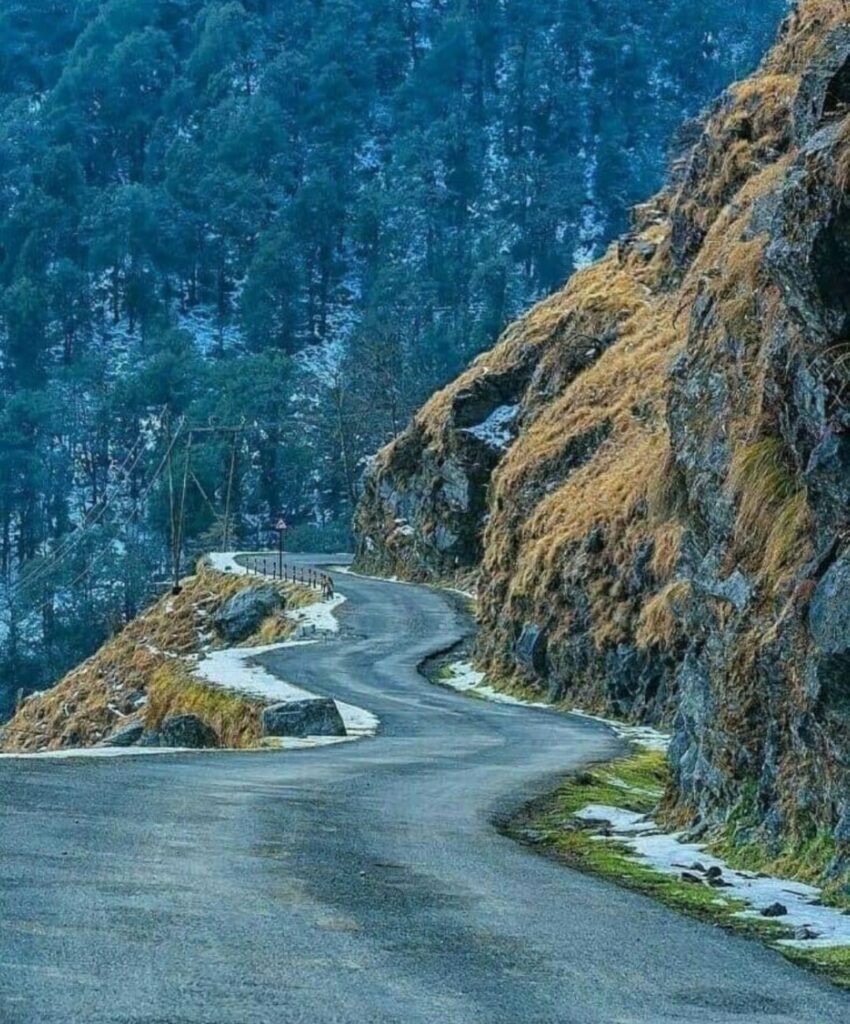
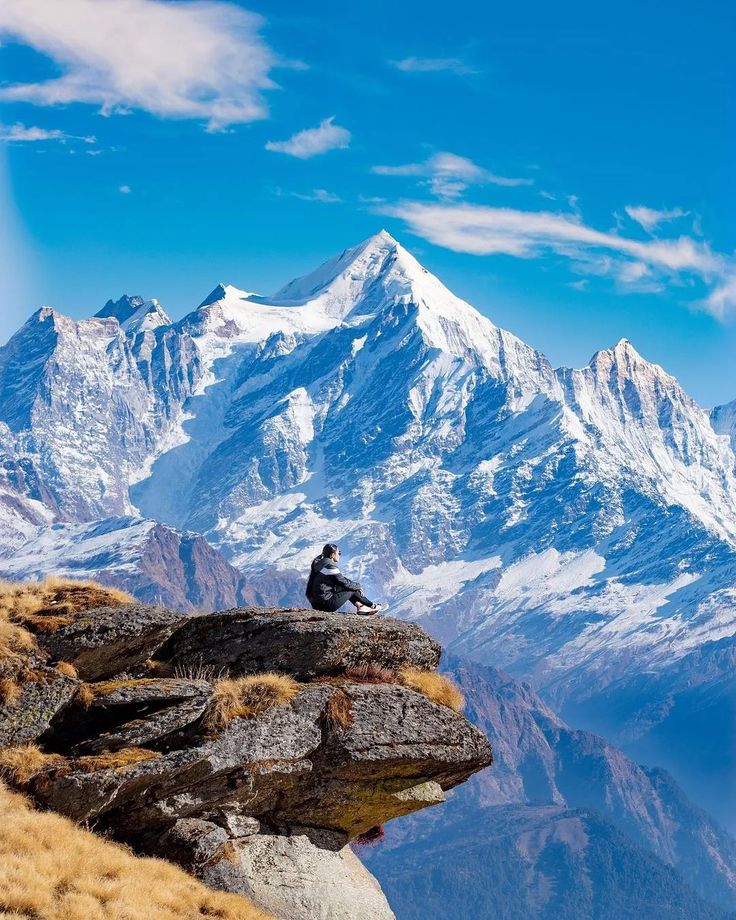
The road from Almora or Pithoragarh takes hours — winding through forested valleys, past small mountain towns, along stretches where the only evidence of the distance being covered is the steady gain in altitude and the gradual thinning of everything familiar. The mountains do not reveal themselves quickly. You cannot see where you are going until you are nearly there. And then the road opens up, and the Panchachuli peaks are in front of you — five summits, snow-covered, standing at a scale that photographs consistently fail to prepare you for.
That moment is not the destination. It is the beginning of the experience. But it sets the register for everything that follows. Munsiyari is a place you earn slightly, and it gives back accordingly.
What Kind of Place This Actually Is
Munsiyari sits in the Kumaon region of Uttarakhand, close to the borders with Tibet and Nepal. Historically it was a trade route — goods and people moving through high mountain passes — not a hill station built for leisure. That origin matters because it means the town was not designed for visitors. It was not shaped around the requirements of tourism.
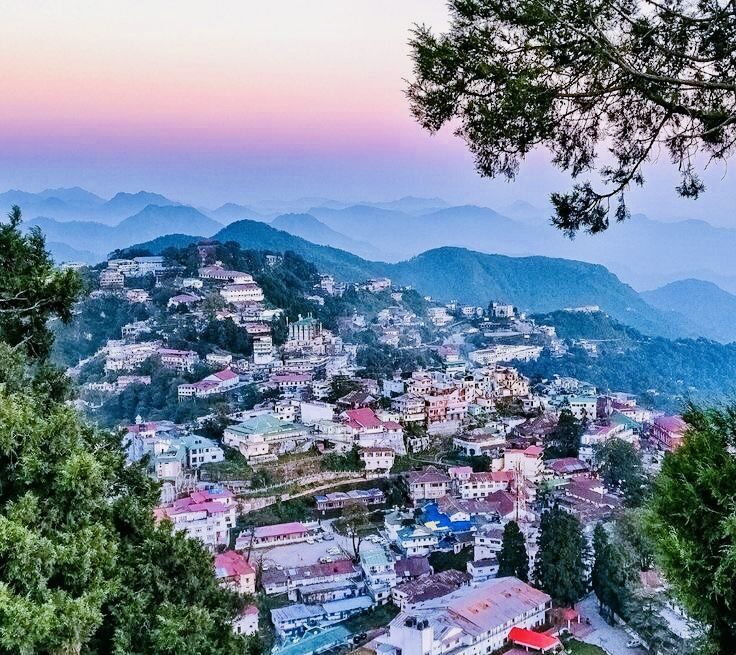
What exists here today is a small mountain town that still mostly functions on its own terms. There is enough infrastructure to support a few days of comfortable travel — accommodation, food, basic facilities — but not so much that the place has been smoothed into something generic. The simplicity is not a deficiency. It is the reason the experience feels the way it does.
This is important to understand before you go. Travellers who arrive expecting the facilities of a well-developed hill station will find Munsiyari limited. Travellers who arrive understanding that the mountain — specifically the unobstructed, unmediated presence of the Panchachuli range — is the entire point will find it more than enough.
When to Go — Visibility Is the Variable That Matters Most
In most hill destinations, the season question is primarily about weather and comfort. In Munsiyari, it is about something more specific: whether the mountains will be visible.
The Panchachuli peaks are the reason most people make the journey. On a clear day, they are present in a way that defines the entire experience of being here. On a cloudy or hazy day, they disappear — not partially, but completely. A full day can pass without a glimpse of them, and in the wrong season, that can become the majority of your stay.
- October and November are the most reliable months for clear mountain views. The monsoon has ended, the air has been washed clean, and the skies above Munsiyari are frequently sharp and blue. The Panchachuli peaks appear in their most defined form during this window. The temperature drops significantly at night — cold enough to require proper layering — but the days are comfortable and the visibility is at its best.
- March through May offers a softer version. The winter snow is receding, the landscape is turning green, and the weather is more forgiving than the October window. Mountain views are good but slightly less consistently clear than in autumn. For travellers who want the landscape alongside the mountains — colour, movement, the return of warmth — spring is worth considering.
- Monsoon brings lush, dramatic scenery and the near-certain loss of mountain views for days at a time. The roads can become difficult. For photographers who want the landscape itself rather than the peaks, this season has something to offer. For most visitors, it is the wrong window.
- Winter can close the road entirely under heavy snow. The experience for those who do reach Munsiyari in deep winter is extraordinary — isolated, silent, completely unlike any other version of the place — but it requires acceptance of real uncertainty about access, and is not suitable as part of a fixed-date itinerary.
The honest summary: plan for October or November if the Panchachuli peaks are why you are coming. Accept no guarantees on any visit. The mountains are not a scheduled attraction.
The Panchachuli Peaks: You Stay, They Reveal Themselves
Most viewpoint culture in India operates on a simple premise: you go to the viewpoint, you see the view, you leave. Munsiyari does not work this way.
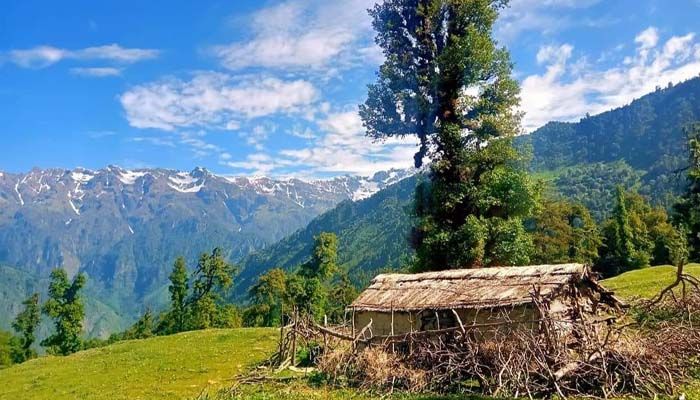
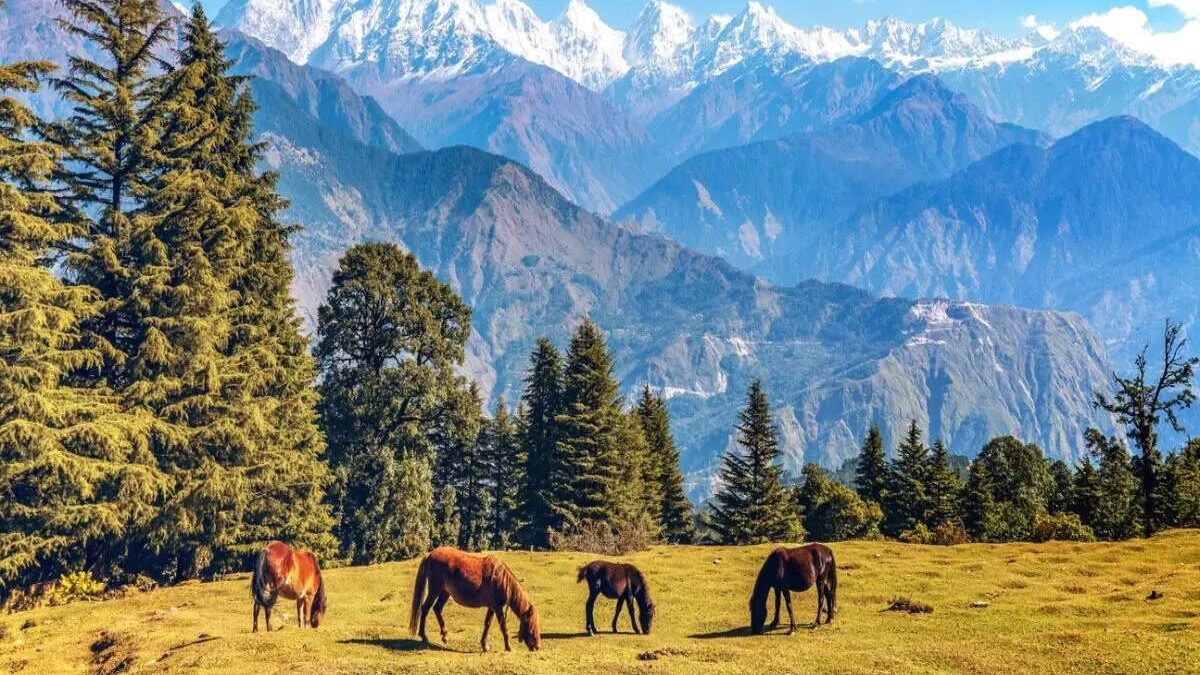
The Panchachuli peaks — five summits of the Kumaon Himalaya, the highest exceeding 6,900 metres — are visible from Munsiyari town itself. You do not need to trek to a specific vantage point, though higher ground gives you more. The mountains are simply there, across the valley, present in the way that large things in the landscape are present: dominating the peripheral vision even when you are not looking directly at them.
What changes is not the view but the light. The peaks at dawn have a sharpness and a colour — pinks and oranges moving into white and grey as the sun rises — that the midday version does not have. By afternoon, the light flattens and the scale becomes harder to read. By evening, the colour returns differently. Clouds move in and out throughout the day, sometimes obscuring everything for hours and then clearing suddenly to reveal the full range with a clarity that feels almost theatrical.
The experience of the Panchachuli peaks is therefore not a single event. It is cumulative — something that builds over the days you spend here, as the peaks reveal different versions of themselves at different hours and under different conditions. A single day in Munsiyari gives you one reading of the mountains. Three days gives you something closer to an understanding of them.
This is why the advice to stay long enough is not just about comfort. It is about the nature of what the place is offering.
Moving Through Munsiyari — Without Overbuilding the Days
Munsiyari rewards movement that is unhurried and directionless rather than goal-oriented.
There are formal trekking routes accessible from here — Khaliya Top is the most popular, a half-day climb above the treeline with panoramic mountain views that expand significantly with altitude. Birthi Falls, about 35 kilometres before Munsiyari on the approach road, is a significant waterfall worth stopping at on the drive in or out. The Tribal Heritage Museum in the town itself gives you a straightforward but genuine introduction to the Johar Valley’s history and the communities that lived and traded through these mountains.
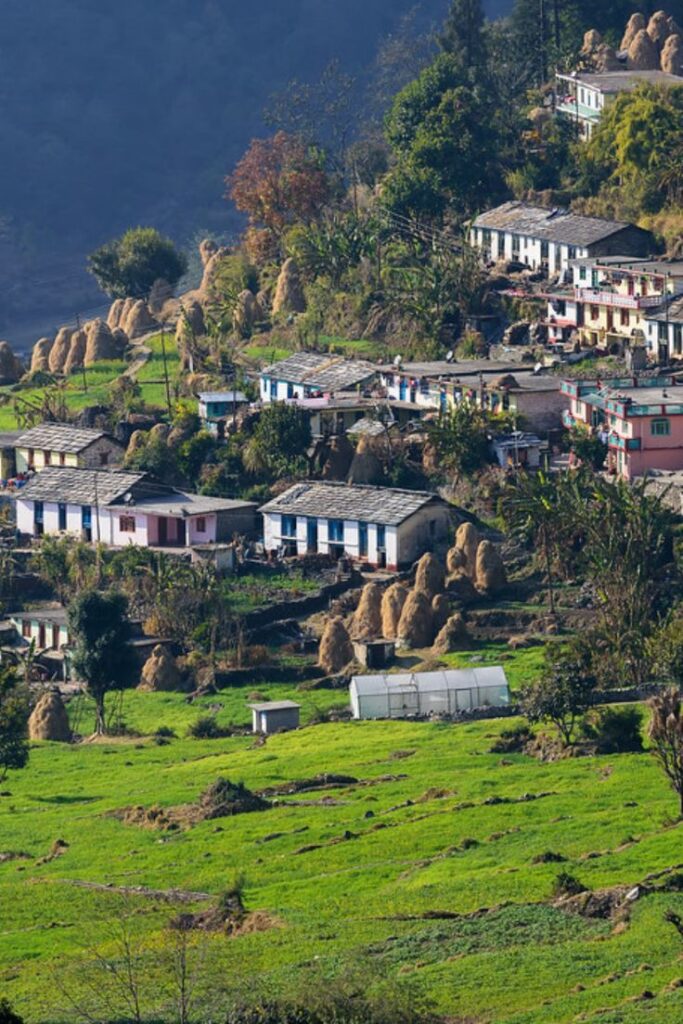
But the walks that most visitors remember are the ones without a name on a map — the village paths that lead through farmland and small settlements, the forest trails where the only noise is birds and wind, the stretches where you walk until the path becomes unclear and then turn around and take a different way back. These are not lesser experiences because they are unstructured. They are often the better ones.
The instruction, if there is one, is this: leave the day with more open space than feels comfortable when you are planning it. Munsiyari will use that space better than any itinerary will.
Where You Stay — This Is Not a Minor Decision
In most destinations, the choice of accommodation is about quality and comfort. In Munsiyari, it is about something more fundamental: whether your room has an unobstructed view of the Panchachuli range.
This sounds like a preference. It is closer to a defining variable.
Waking up to the mountains visible from your window — having them as the first thing you see in the morning and the last thing you see before the light fails in the evening — shapes the entire quality of the stay. It means the mountains are not something you go out to see. They are simply part of where you are. That continuity changes the experience in ways that are difficult to articulate precisely but are immediately felt.
Ask the question directly when booking: is there a clear, unobstructed view of the Panchachuli peaks from the room? Not from the property. Not from the terrace. From the room. The difference between a property with that view and one without it is, in Munsiyari, the difference between two entirely different trips.
How Many Days — and the Honest Reason It Takes More Than You Think
Three nights is the minimum for Munsiyari to deliver what it is capable of delivering. Four nights is better.
The first day is largely travel — the road to Munsiyari from the nearest major town is long and winding, and arriving in the late afternoon means arrival and rest rather than exploration. The last day is departure. Which means that with two nights, you have one day in Munsiyari. One day is not enough for a place that reveals itself gradually.
With three or four nights, the experience has room to accumulate. You see the mountains in multiple lights. You find a walk that wasn’t in any guide. You sit somewhere with tea and the Panchachuli peaks in front of you and feel the particular quality of being very far from the familiar — which is, ultimately, what most people who make the journey to Munsiyari came for.
The travel time to get here also means that Munsiyari works best as a dedicated destination rather than a stop on a longer circuit. Passing through it on the way to somewhere else gives you the road and a glimpse of the mountains. It does not give you the place.
What to Expect From the Food and the Facilities
The food in Munsiyari is simple and honest. Local dals, rice, rotis, vegetable preparations — the kind of cooking that comes from homestays and small guesthouses run by people who live here year-round. It is not varied. It is not elaborate. It is appropriate to where you are, and after a day spent in mountain air, it is enough.
There are no large restaurants, no café culture, no elaborate menus. This is worth knowing before you arrive, not as a complaint but as accurate information. Munsiyari is not a food destination. It is a mountain destination where the food keeps you going rather than competing for your attention.Mobile connectivity is limited and variable. This too is worth knowing — and, for most travellers who come here, it turns out to be more of an asset than a problem.
A Few Practical Notes
Getting there: The most common approach is via Almora or Pithoragarh. From Delhi, the journey to Munsiyari is a full day of travel — typically an overnight train to Kathgodam followed by a long road journey the next day, or two days of driving with a night stop en route. This is not a weekend destination from Delhi. Plan accordingly.
Road conditions: The road to Munsiyari is mountainous and can be affected by weather, particularly during and immediately after monsoon. Landslides are a real possibility on certain stretches. Travel with a driver who knows the road, check conditions before departure, and build a day of flexibility into the return journey.
Altitude: Munsiyari sits at approximately 2,200 metres. This is not high enough to cause serious altitude sickness for most people, but some visitors experience mild symptoms on arrival. A slow first day — rest rather than activity — is sensible regardless.
Freedom Trail India plans private journeys to Munsiyari, across the Kumaon region, and throughout Uttarakhand. If this is the kind of travel you are looking for — unhurried, real, built around the landscape rather than against it — we are glad to talk.