- Best for: Culture seekers · Spiritual curiosity · South India travellers · Architecture interest
- Ideal duration: 1–2 days
- Best time to visit: October to March
Why Madurai Feels Different From Other Temple Cities
Madurai doesn’t separate life from devotion.
It doesn’t create quiet zones around its temples or distance them from daily movement.
Instead, everything exists together.
Markets around temple streets.
Shops opening early.
People moving in and out of the temple throughout the day.
And at the centre of it all stands the Meenakshi Amman Temple — not isolated, but fully integrated into the city’s rhythm.
👉 This is what makes Madurai different
It is not a place where you visit a temple.
👉 It is a place where the temple shapes the city itself.
Understanding Madurai Before You Visit
Madurai is one of the oldest continuously inhabited cities in India, with a history that stretches back over two millennia.
But what defines it is not just age.
It is continuity.
The temple has remained central — not just spiritually, but structurally.
Streets radiate around it.
Activity builds around it.
Time, in many ways, is still measured through it.
And because of that, the experience feels active rather than reflective.
When to Visit (And What It Actually Feels Like)
From October to March, Madurai feels more manageable.
The heat reduces slightly, making it easier to walk and explore.
Even then, the city remains warm — both in temperature and in energy.
Summers intensify everything.
Movement becomes slower, and the day revolves around avoiding peak heat.
But the rhythm of the city does not change.
👉 Madurai continues, regardless of season
👉 You adjust to it, not the other way around
The Temple — Not a Monument, but a System
The Meenakshi Amman Temple is the centre of the experience.
But it is not something you “finish” in one visit.
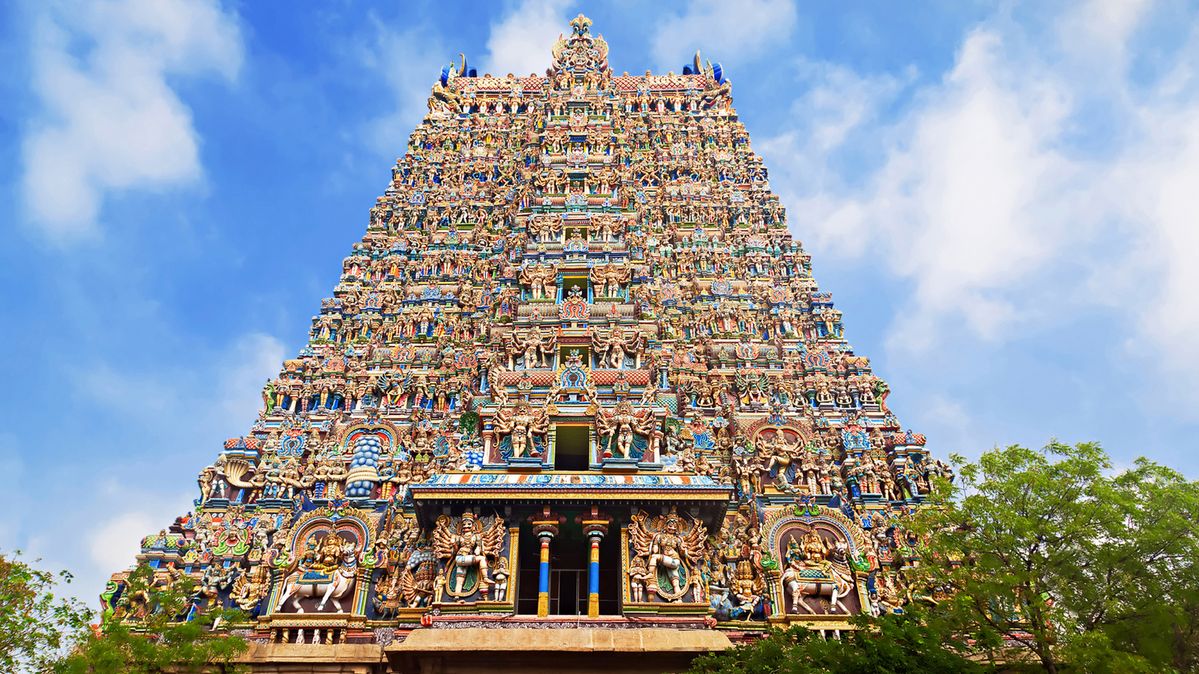
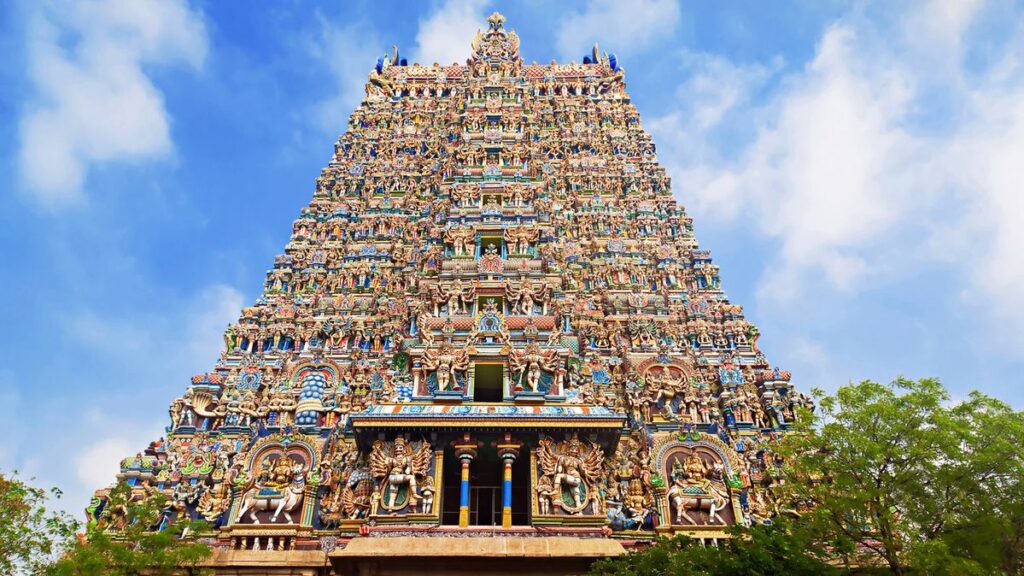
You enter through large gopurams (gateway towers), each covered in detailed sculptures.
Inside, the space opens and closes repeatedly — halls, corridors, shrines, movement.
It feels structured, but also continuous.
And most importantly:
It is active.
Prayers are ongoing.
People are moving through it with purpose.
👉 This is not a quiet monument
👉 It is a living system
Moving Through the Temple — Why Time Matters
If you rush, the temple feels overwhelming.
Too many details.
Too much movement.
But if you slow down, patterns begin to appear.
The repetition in pillars.
The alignment of spaces.
The way people navigate the structure.
Even returning at a different time of day changes the experience.
Morning feels different from evening.
And both feel different from night.
The City Around the Temple
Step outside, and the transition is immediate.
Markets, small shops, street activity — everything close, layered, active.
The temple does not sit apart from this.
It feeds into it.
Flower sellers, prasad shops, textile stalls — all connected to the same centre.
👉 This is where Madurai feels most complete
👉 Not inside or outside, but in the connection between both
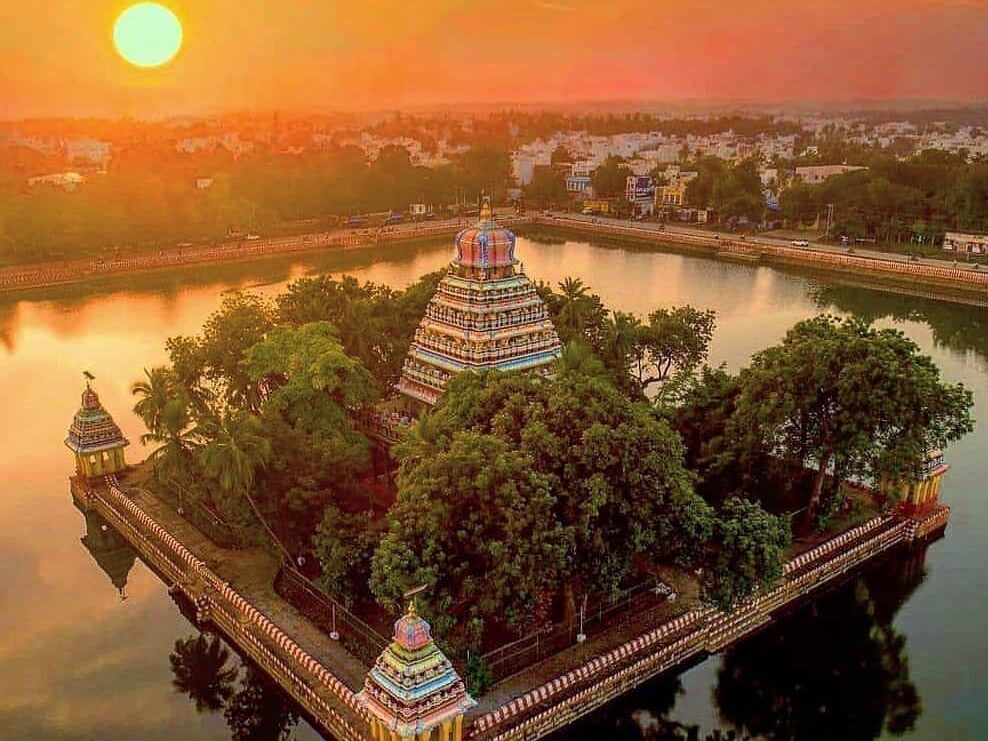
Movement in Madurai
Movement here is not calm.
It is constant.
Auto-rickshaws, pedestrians, local traffic — all sharing limited space.
Distances are short, but time depends on flow.
Walking works near the temple.
For longer routes, short rides are easier.
👉 The key is to move with the city, not against it
Where You Stay Shapes Your Access
Staying near the temple area keeps you connected.
You can visit at different times without planning too much.
Staying further away offers more comfort and quiet, but less immediacy.
There is no right choice.
But there is a different experience.
Beyond the Temple — Extending the Experience
Madurai is often treated as a one-temple stop.
But if you extend slightly, the city offers more:
- local markets
- food culture
- nearby historical points
These are not separate highlights.
They are extensions of the same rhythm.
How to Plan Your Time (Without Overloading It)
One to two days is enough.
But the structure should remain simple.
One phase inside the temple.
One phase around it.
And space in between.
Trying to fit too much into a tight schedule often reduces the experience.
Because Madurai is not about quantity.
👉 It is about immersion in movement
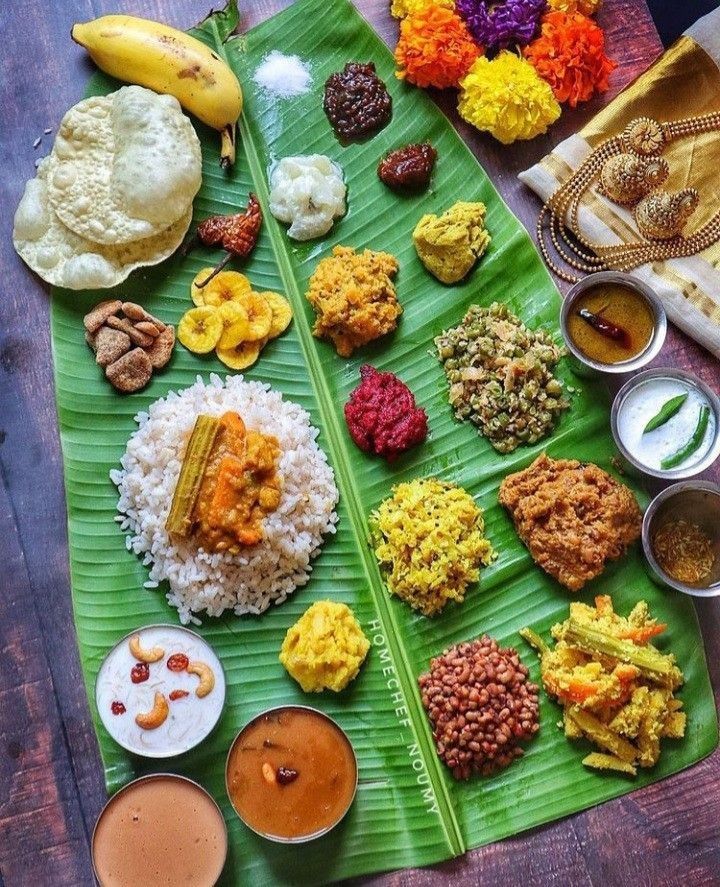
What to Expect From the Food
Madurai is known for strong, flavourful South Indian food.
Street food, local meals, simple restaurants — all active throughout the day.
Food here is not staged.
It is part of the city’s daily rhythm.
Final Thought
Madurai does not pause for you.
It does not create distance or quietness to make itself easier to understand.
It continues — steadily, actively, without interruption.
And your experience depends on how you step into that rhythm.
If you try to control it, it may feel overwhelming.
If you move with it, it begins to feel natural.
Not because the city slows down.
But because you start matching its pace.