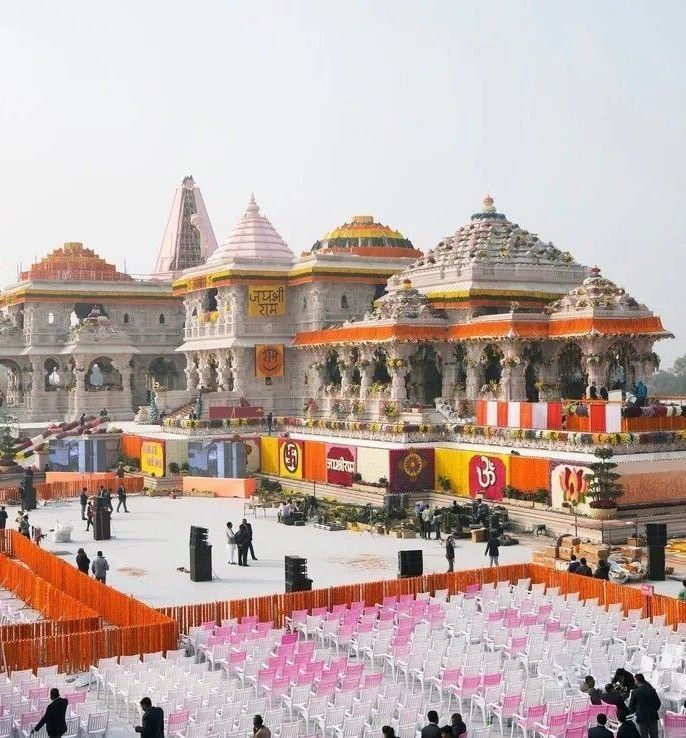
Ayodhya is one of the most sacred cities in India, located on the banks of the Sarayu River. It is widely known as the birthplace of Lord Rama, a central figure in the epic Ramayana.
The city holds immense religious and cultural significance, attracting pilgrims and visitors from across the country. In recent years, Ayodhya has gained global attention due to the construction of the Ram Mandir, a grand temple dedicated to Lord Rama.
Rich in history, spirituality, and tradition, Ayodhya represents a blend of ancient heritage and modern development, making it an important destination for both devotees and tourists.
Cultural travellers · Spiritual curiosity · Pilgrimage journeys · First-time visitors to North India circuits
1–2 days
October to March
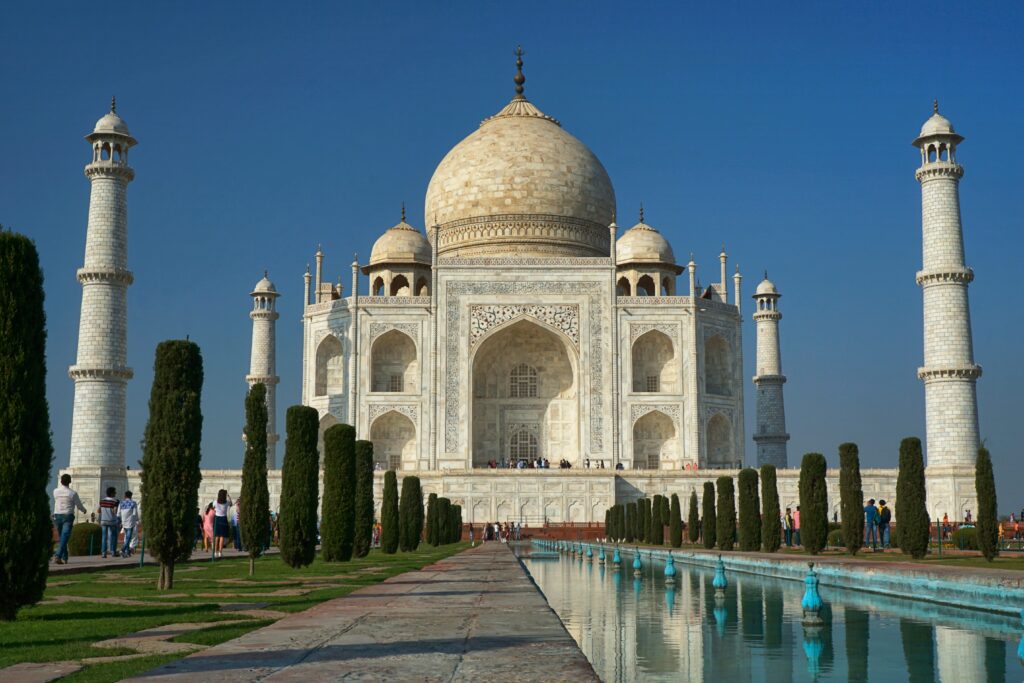
Agra is one of India’s most famous historic cities, located on the banks of the Yamuna River in the state of Uttar Pradesh. It is best known for the iconic Taj Mahal, a UNESCO World Heritage Site and symbol of love built by Mughal emperor Shah Jahan.
Agra was once the capital of the Mughal Empire and is home to several architectural masterpieces, including the Agra Fort and Fatehpur Sikri. The city reflects a rich blend of history, culture, and Mughal-era heritage, making it one of the most visited tourist destinations in India.
First-time India travellers · Culture seekers · Short stop travellers · Golden Triangle routes
1-2 days
October to March
Varanasi is one of the oldest living cities in the world, located on the banks of the sacred Ganga River. Known as the spiritual capital of India, it is a major center of Hindu culture, pilgrimage, and learning. The city is famous for its ghats, where rituals, prayers, and the mesmerizing Ganga Aarti take place daily.
Varanasi is closely associated with Lord Shiva, and it is believed that dying here brings liberation (moksha). Its narrow lanes, ancient temples like Kashi Vishwanath Temple, and vibrant traditions create a unique blend of devotion and daily life. The city also has a rich heritage in music, art, and Sanskrit education, making it a timeless symbol of India’s spiritual and cultural essence.
Culture seekers · Spiritual curiosity · Slow travellers · First-time India visitors
2–3 days
October to March