-
Bus , Cab
-
Home Stay
Rudranath:- The face (mukh) form of Lord Shiva
Locals often say that when you head for Rudranath you’re signing up for a real “German se ladai” – a long, honest fight with the climb – and that the true story of the journey is written in your legs and lungs, not just your photos. This is not a gentle walk but a trail where every steep turn is answered by a wider view, a quieter breeze and a deeper sense of why you came.
The climb that teaches patience
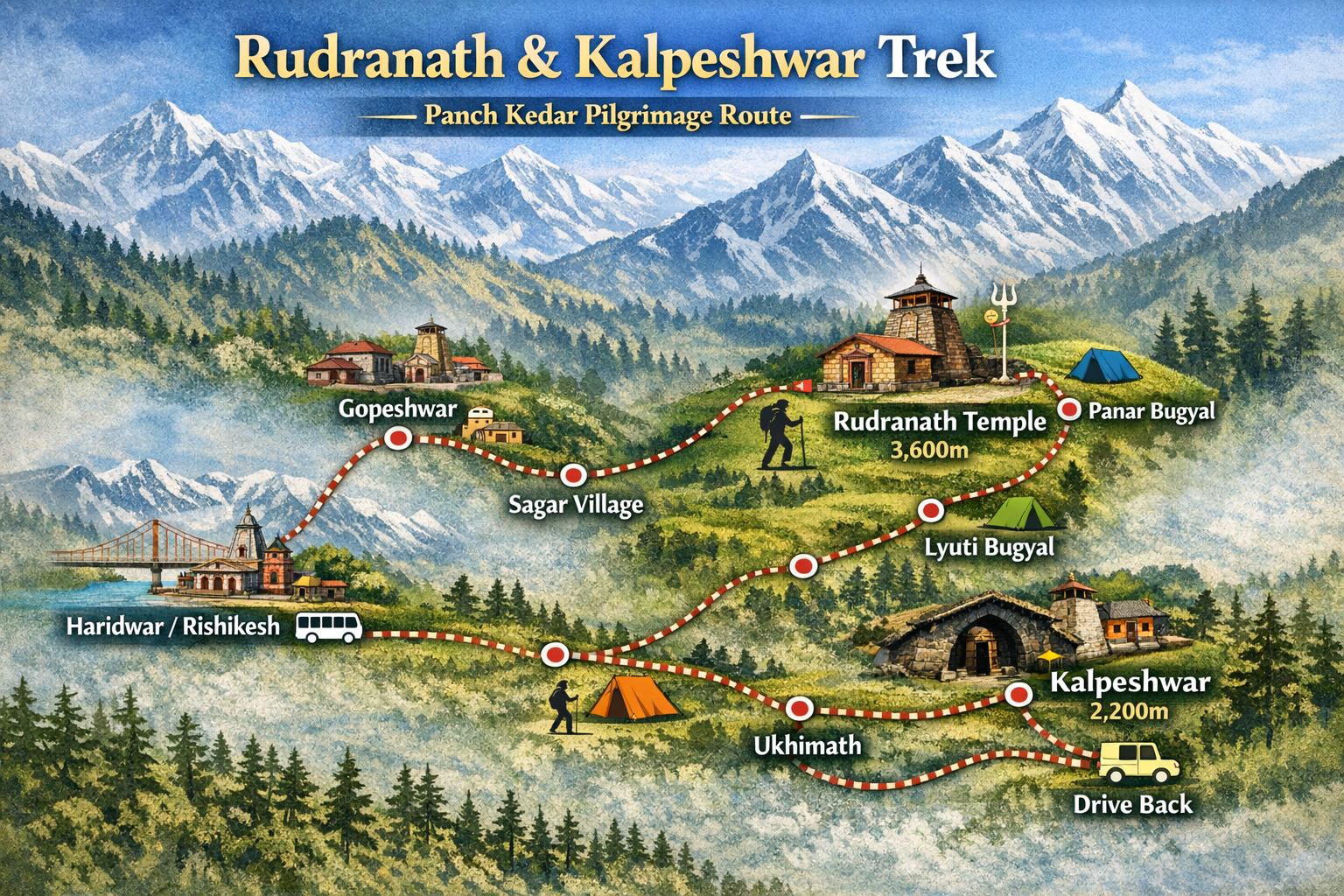
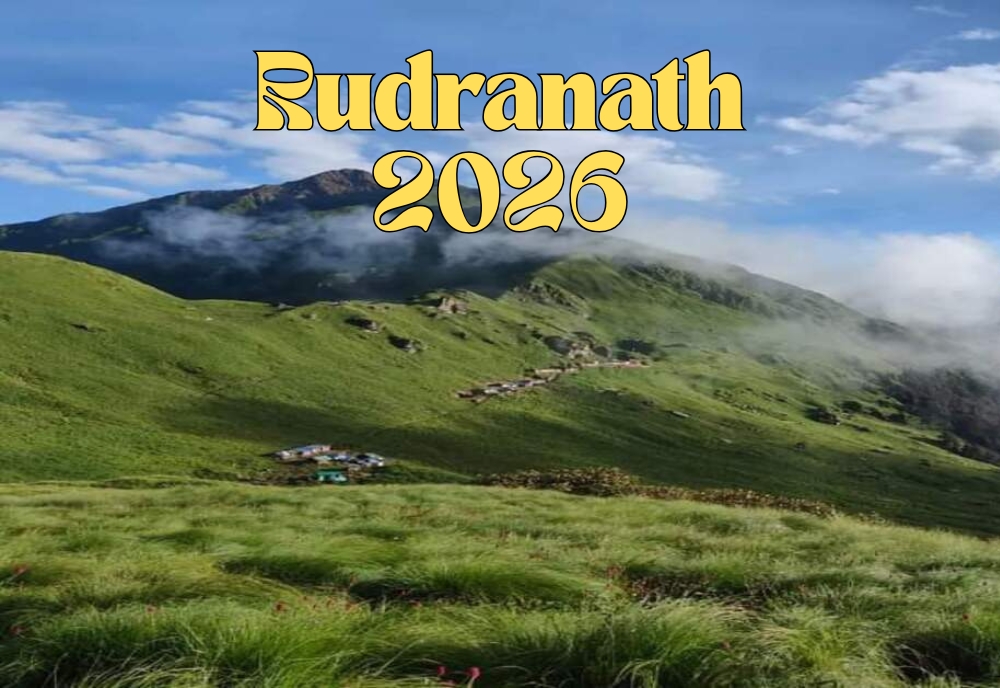
Rudranath is not the kind of trek you do by accident, and that is exactly what makes it special. Most travellers start from Sagar village in Chamoli district, from where a roughly 20–21 km trail climbs through dense forests, long ridgelines and rolling bugyals via places like Panar Bugyal, Pitradhar and Liti Bugyal before finally dropping into the sacred valley of Rudranath. There are stretches where the ascent is so sharp that your breath gets heavy, your pace slows down and all you can think is, “this really is a German‑level battle,” but then the next meadow opens up, the snow peaks appear on the horizon and the tiredness quietly softens.
Where Shiva’s face looks out over the meadows
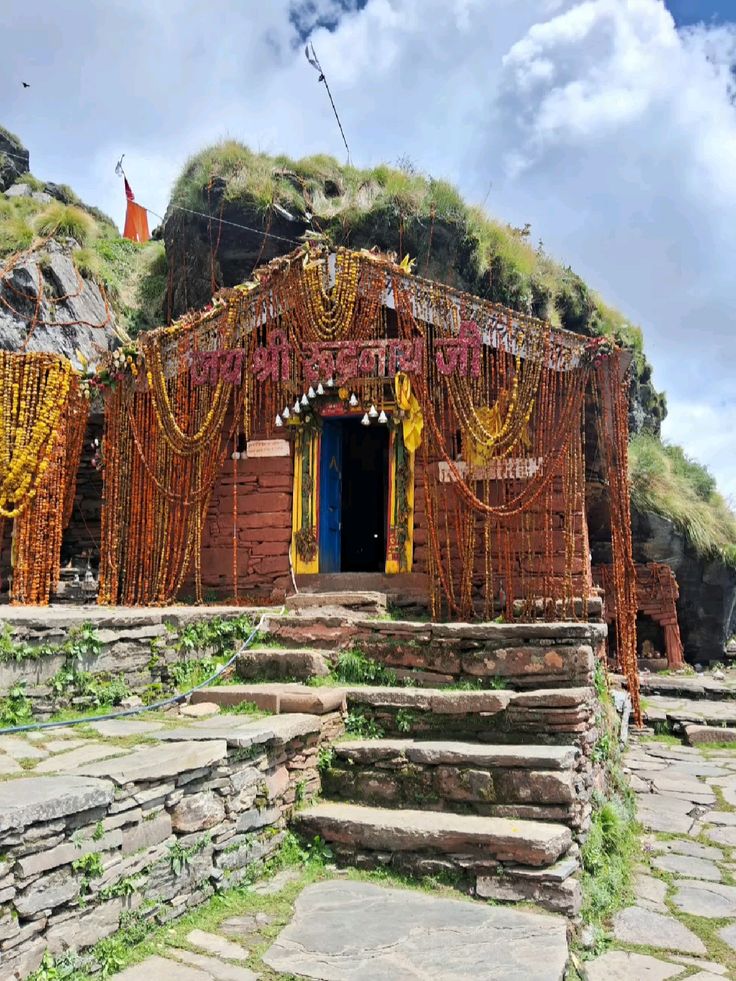
Rudranath is one of the Panch Kedar shrines where Lord Shiva is worshipped in his fierce Rudra form, and the natural rock inside the temple is revered as the face of Shiva. The stone temple itself is small and humble, set in a bowl of high meadows and rocky slopes, but the combination of raw Himalayan landscape and the deep calm around the shrine creates a powerful, grounded energy. Clouds drift in and out of the valley, the wind moves through the grass, and the sound of the aarti floating from the temple at dusk is often the only reminder that you are not completely alone in this wild, beautiful place.
When to come – reading the mountain’s mood
Because Rudranath sits high in the Garhwal Himalayas, choosing the right season is part of respecting the journey. The temple is generally accessible from May to October, with May–June and mid‑September to mid‑October considered the best windows, when the weather is more stable and the meadows turn a rich, living green. July and August bring heavy rain, slippery paths, fog and possible landslides, so that period is better left to those who come fully prepared, with a trusted local guide and proper gear.
In the end, Rudranath stays with you as that one trek where every “just a little more” on the climb is repaid by a bigger horizon at the top – and where the real victory in this “German se ladai” is not conquering the mountain, but quietly facing yourself in front of Shiva’s ancient stone face.
Kalpeshwar:- The matted hair (jata) form of Lord Shiva
Kalpeshwar is the kind of place that doesn’t shout for attention; it waits quietly at the end of a small valley, and somehow, the people who need it most eventually find their way there. After the big drama of higher Himalayan temples, this fifth and final Panch Kedar shrine feels intimate, homely and almost secret – tucked into Uttarakhand’s serene Urgam valley.
Where Shiva’s hair lives in a cave
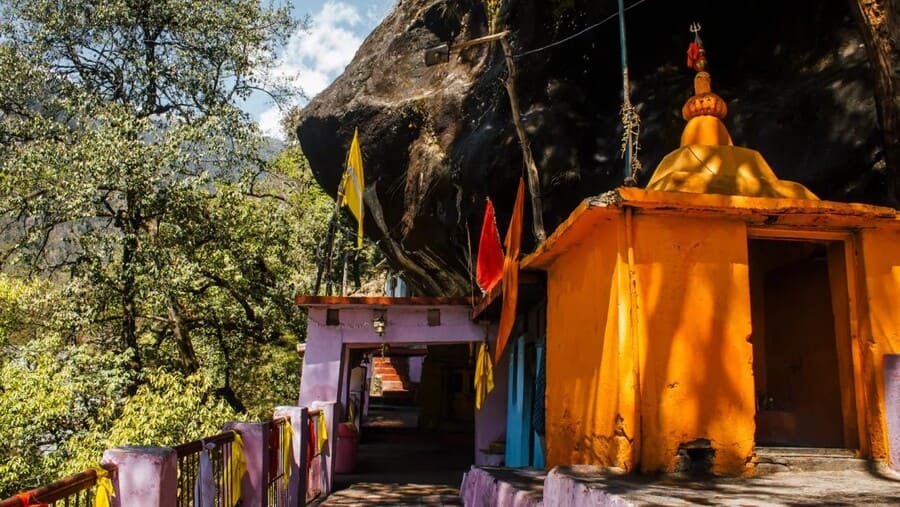
Kalpeshwar is the only Panch Kedar temple where Lord Shiva is worshipped in the form of his jata – matted hair – a detail that makes this place feel both personal and powerful. According to local belief and the Panch Kedar legend, when Shiva disappeared as a bull and reappeared in different forms across the Himalayas, his divine locks emerged here at Kalpeshwar. The shrine itself is a small stone temple approached through a cave‑like passage, and many visitors describe the first step inside that cool, dim space as stepping out of the world for a moment.
Stories that live in the Urgam valley
The people of Urgam often speak of Kalpeshwar not just as a temple, but as a spot where gods, sages and plans for the universe once sat together. Local lore says sage Durvasa meditated here under a wish‑fulfilling Kalpavriksha tree, that celestial apsara Urvashi was created in this very region, and that even the great churning of the ocean – Samudra Manthan – was first envisioned from this sacred ground. Because of this, many villagers see Kalpeshwar as a place where wishes are whispered softly rather than demanded loudly, and where patience is part of every prayer.
The easiest step of Panch Kedar
Unlike the other Panch Kedar shrines that close in winter, Kalpeshwar stays accessible almost all year, which is why many yatris like to end their Panch Kedar journey here – on a gentler note. From the main Rishikesh–Badrinath highway, you leave the traffic at Helang and follow a narrower road into the Urgam valley towards Devgram village; from there, a short walk of just a few hundred metres along fields and village houses brings you to the temple. It feels less like a high‑altitude expedition and more like visiting an old relative in the mountains – a short, simple approach that still carries the weight of centuries of faith.
Choosing the right time, listening to the valley
Because Kalpeshwar lies lower than the other Kedars, its mood changes gently rather than dramatically with the seasons. April to June and October to November are usually considered the sweetest windows to visit – with pleasant temperatures, blooming forests, clear skies and safe, dry trails that make it comfortable even for families and first‑time trekkers. Monsoon months cover the valley in lush green and waterfalls, but also bring slippery paths and road issues, so those who come then usually travel with extra care and local guidance.
Kalpeshwar often feels like a soft full stop at the end of a long Panch Kedar sentence – a small cave, a quiet valley, a simple village approach, and the feeling that after all the climbs and struggles, you finally get to sit down with Shiva in a place that feels almost like home.