-
Bus, Cab
-
3 Star Hotel
-
Haridwar
-
May–June and September
-
Spiritual
-
All meals during the trek
-
English, Hindi
-
Moderate to Difficult
-
2-15
Overview
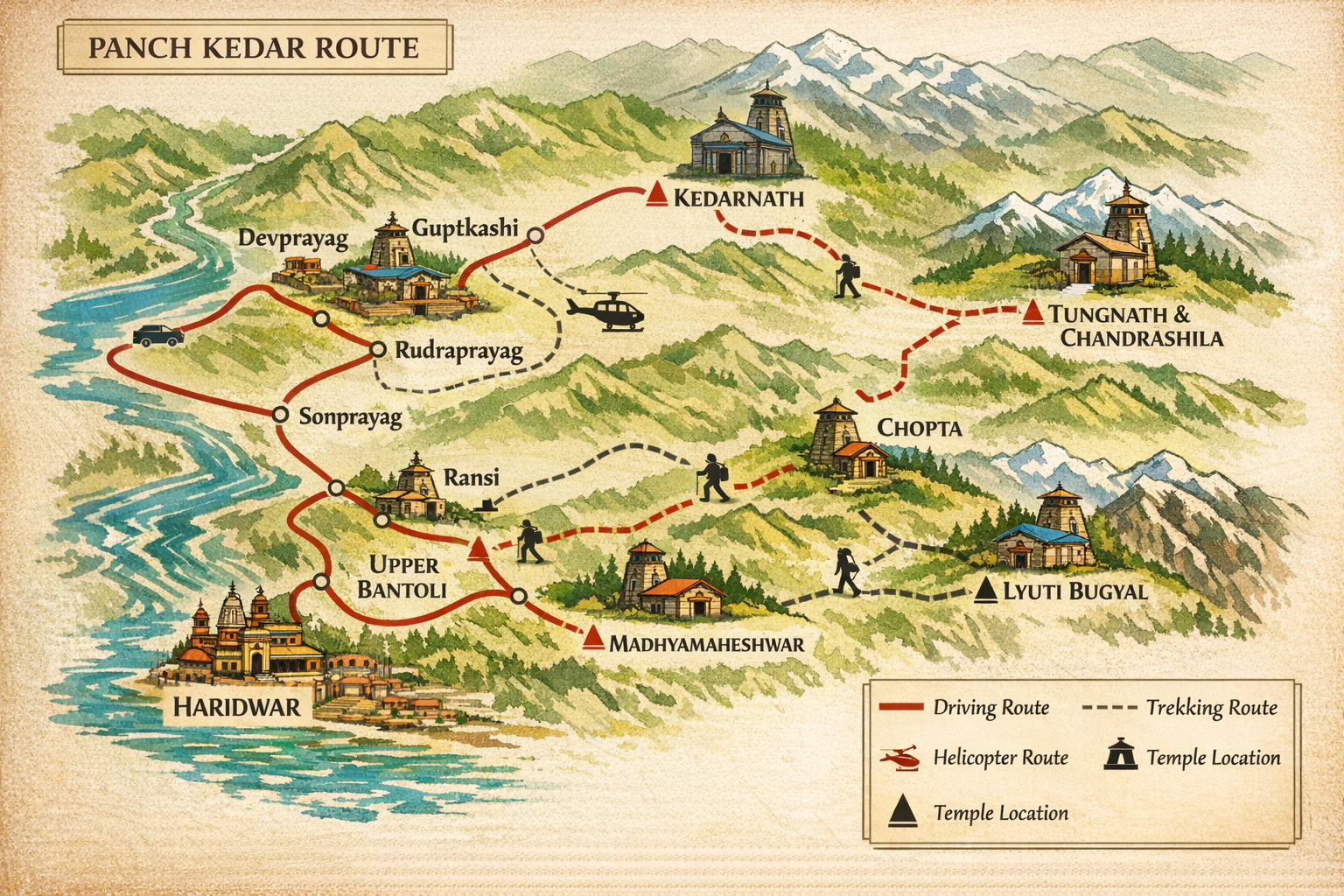
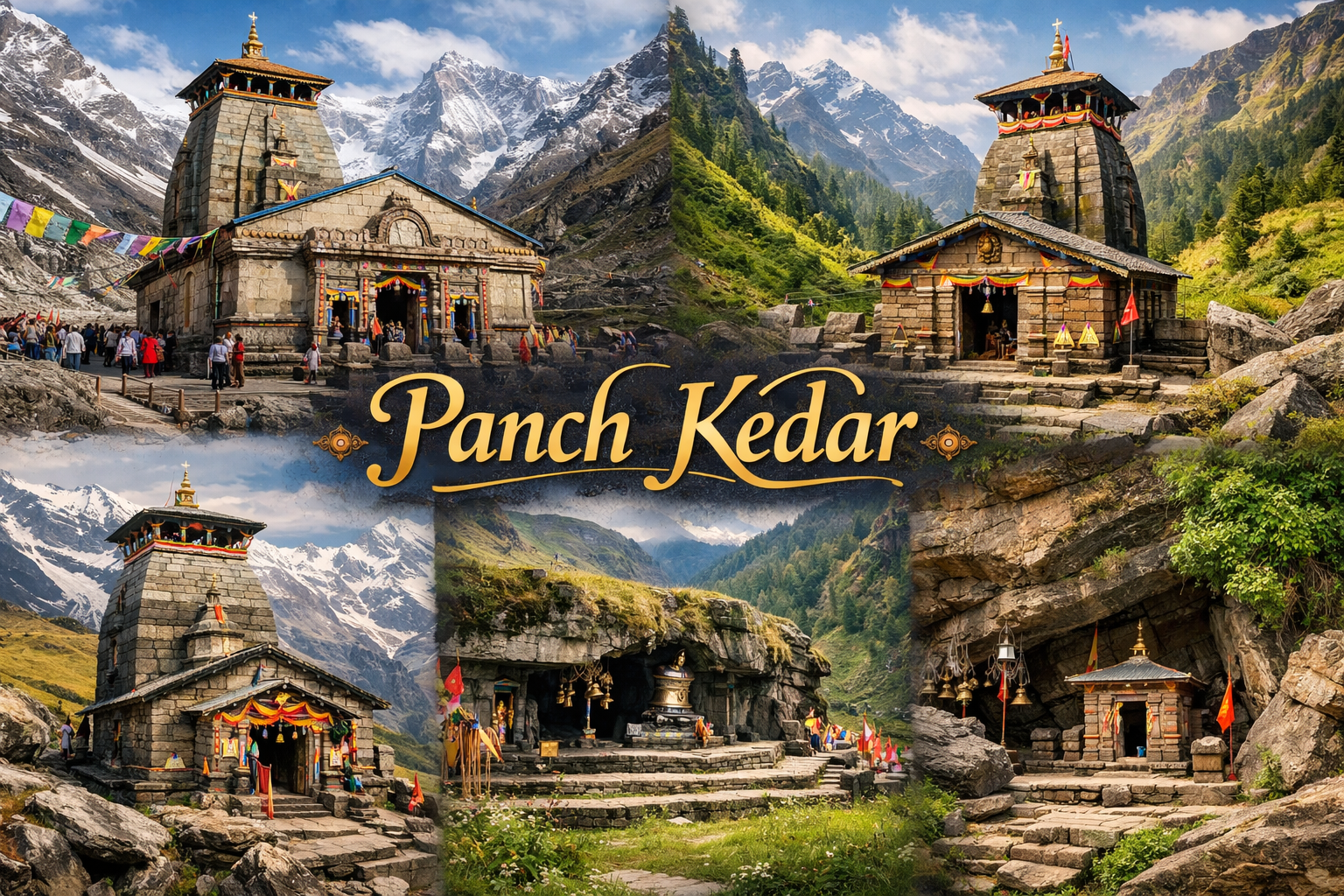
Hidden deep in the Garhwal Himalayas of Uttarakhand are five ancient shrines where Lord Shiva is worshipped in five different manifestations. The trails are steeper, the villages quieter, the mountains wilder, and the silence far more intense than most pilgrimages.
Panch Kedar is not a journey for those who want comfort first.
It is a journey for those who want meaning first.
At Freedom Trail India, we design Panch Kedar with proper acclimatization, realistic trekking days, and storytelling that helps travelers understand why each temple matters, not just where it is.
This guide is written to make you feel prepared, inspired, and grounded—before you even begin packing.
Why Panch Kedar Is One of India’s Most Powerful Spiritual Journeys
Panch Kedar is not one destination.
It is five sacred encounters with Shiva across five landscapes.
According to legend, after the Mahabharata war, the Pandavas sought forgiveness for the sins of war. Shiva, unwilling to meet them easily, took the form of a bull (Nandi) and fled into the Himalayas. When the Pandavas followed, Shiva disappeared into the earth—his body emerging in five different locations.
These five places became the Panch Kedar temples:
- Kedarnath – the hump of Shiva
- Tungnath – the arms
- Rudranath – the face
- Madhyamaheshwar – the navel
- Kalpeshwar – the hair (jata)
This is why Panch Kedar feels like a pilgrimage of repentance and surrender.
You don’t just visit Shiva—you search for him.
The Spiritual Meaning of the Five Kedars
Each Kedar represents a different layer of inner transformation.
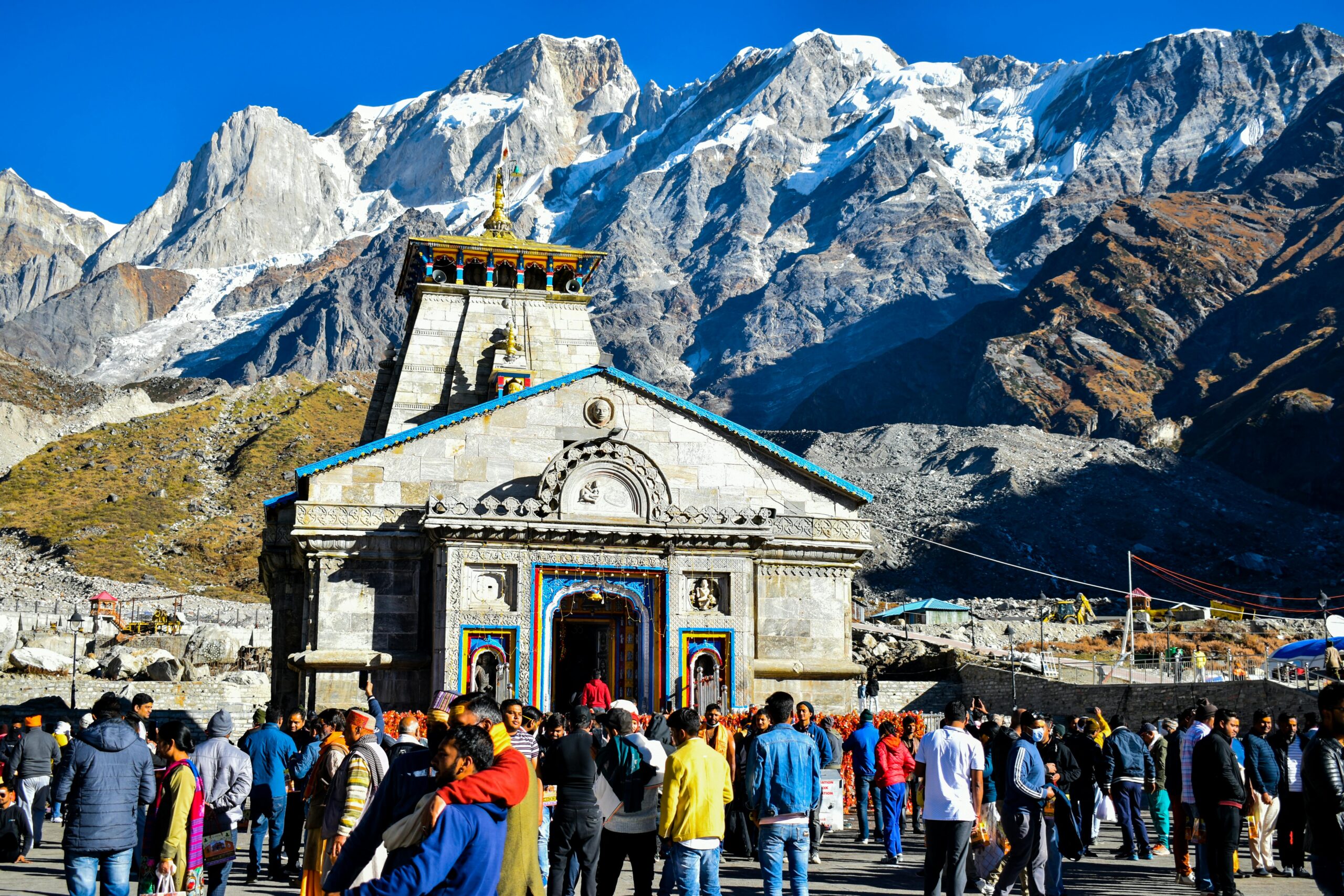
Kedarnath – Truth, Forgiveness, and Spiritual Weight
Kedarnath is raw and overwhelming. Surrounded by glaciers and stone silence, it represents the heaviest part of devotion: facing your own karma.
This is the place where the Pandavas finally received forgiveness.
Tungnath – Strength and Discipline
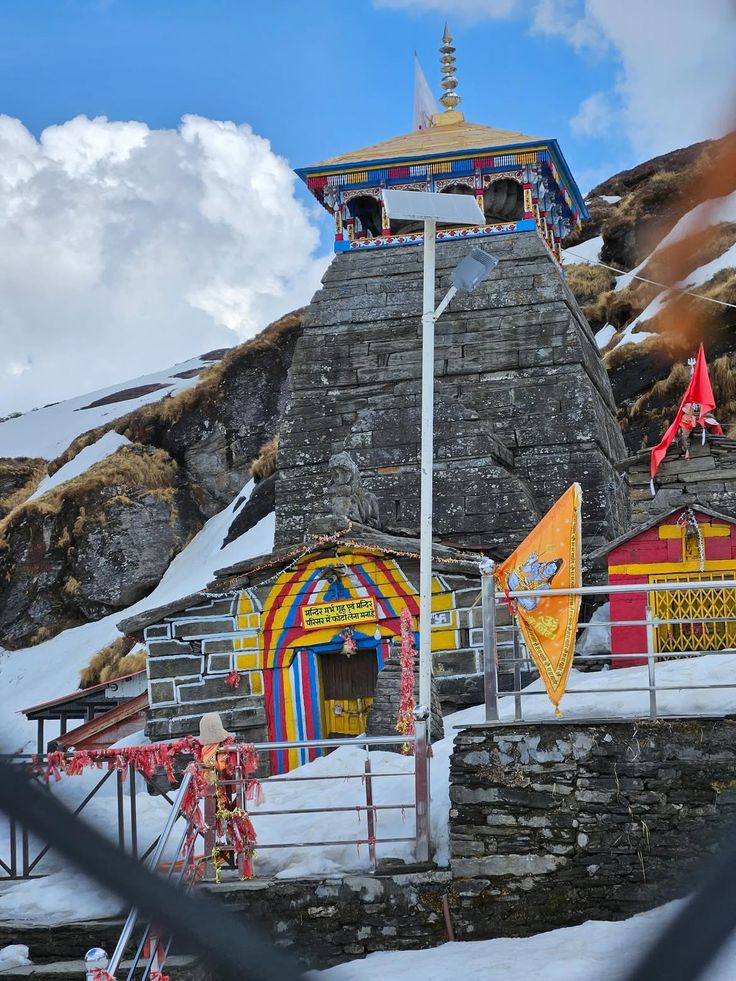
Tungnath, the highest Shiva temple in the world, is where Shiva’s arms are worshipped. The climb is short but steep, reminding pilgrims that discipline matters more than comfort.
It symbolizes spiritual effort.
Rudranath – Solitude and Inner Confrontation
Rudranath is not easy to reach. The forests are deep, the path long, and the landscape feels untouched by modern life.
Shiva’s face is worshipped here—meaning Rudranath represents self-reflection, where you stop running from your own mind.
Madhyamaheshwar – Balance and Emotional Healing
Located in a peaceful meadow valley, Madhyamaheshwar feels softer than the other Kedars. Shiva’s navel is worshipped here, representing the center of life force.
This temple symbolizes emotional healing and stability.
Kalpeshwar – Stillness and Blessings
Kalpeshwar is the only Panch Kedar temple open all year. Shiva’s hair is worshipped here, and the atmosphere feels intimate—almost like Shiva is close and approachable.
It represents blessing, calm, and completion.
Best Time to Visit Panch Kedar
Panch Kedar is a Himalayan trek-based pilgrimage, so timing matters a lot.
Best Season
✅ May to June – clear trails, pleasant weather
✅ September to October – crisp air, fewer crowds, stunning views
Avoid
❌ July–August (monsoon) – landslides, slippery trails
❌ Late October onward – heavy cold and snowfall on high routes
Kalpeshwar is the only temple accessible even in winter.